







The Concrete Jungle's New Oasis
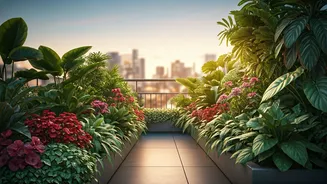
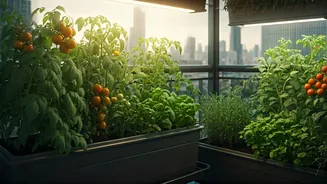
For hundreds of millions of people in India’s booming metropolises, a personal garden is an unimaginable luxury. The explosive growth of cities like Delhi, Mumbai, and Bangalore has pushed residents into vertical living, where private outdoor space is scarce
to nonexistent. A small balcony, if one exists, is often shaded by neighboring towers, making traditional gardening impossible. This creates a fundamental disconnect: a population increasingly interested in fresh, healthy food but physically separated from the means of its production. For years, the dream of growing your own food in these urban centers was just that—a dream. But a convergence of technology, economics, and culture is rapidly changing the equation.
A Perfect Storm of Factors
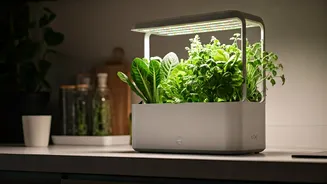
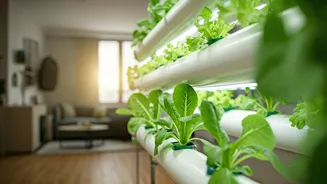
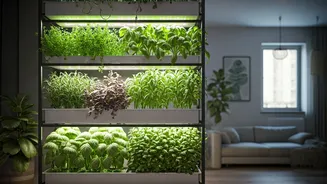
So, why now? The rise of indoor LED gardening isn't a random fad; it's the result of several powerful trends hitting at once. First, there's the growing concern over food quality. Widespread reports of pesticides and contaminants on commercially grown produce have made many Indian consumers wary. The desire for clean, trustworthy food is a potent motivator. Second, technology has finally caught up. The cost of efficient, full-spectrum LED grow lights has plummeted over the last decade, making them accessible to middle-class households. These lights mimic the sun without the heat or energy drain of older technologies, perfect for a small, enclosed apartment. Finally, a cultural shift towards wellness and aspirational living, partly driven by social media, has reframed home-growing from a rustic chore into a sophisticated, modern hobby. It’s a status symbol and a source of well-being rolled into one.
From Mint to Microgreens
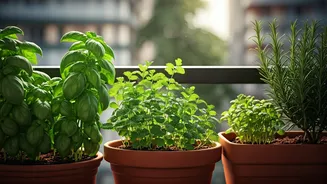
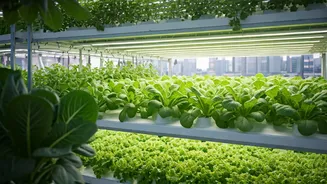
You won’t find sprawling tomato vines or corn stalks in these apartment farms. The focus is on high-value, fast-growing, compact plants. Essential herbs for Indian cuisine, like mint (pudina) and cilantro (dhania), are prime candidates. They are used daily, are relatively expensive to buy fresh, and thrive in controlled indoor setups. Leafy greens like spinach, kale, and various types of lettuce are also incredibly popular, providing a steady supply for salads and meals without the worry of contamination. Perhaps the most emblematic crop of this movement is microgreens. Nutrient-dense and visually appealing, things like mustard, radish, and sunflower microgreens can be harvested in just a week or two. They require minimal space and offer the instant gratification that has made LED gardening an attractive entry point for novice urban farmers. These aren't just gardens; they're tiny, hyper-efficient produce factories tailored for the urban kitchen.
More Than Just a Hobby
While it starts in the home, the implications of this trend are much bigger. A burgeoning ecosystem of Indian startups is emerging to serve this new market, selling everything from all-in-one hydroponic kits to specialized nutrient solutions and smart systems that automate lighting and watering. These companies are betting that indoor farming is not just for hobbyists but is a crucial piece of the puzzle for future food security in dense urban areas. By growing food at the point of consumption, this movement reduces "food miles," cuts down on spoilage, and provides a buffer against supply chain disruptions. It represents a decentralized, tech-driven solution to a very old problem: how to feed a city. For the individual, it’s a powerful way to reconnect with their food and exercise a small but meaningful degree of self-sufficiency in an environment that often feels overwhelming and anonymous.