





First, What Are Prebiotics?
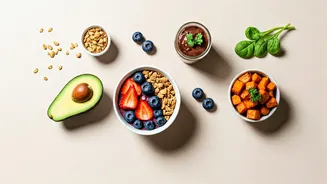
Let’s get the quick science lesson out of the way. If you think of probiotics as the ‘good bacteria’ that live in your gut, then prebiotics are their lunch. They are specific types of fiber—found in foods like garlic, onions, bananas, and asparagus—that
your body can't digest. Instead, they travel to your lower digestive tract, where they act as fuel for the healthy microorganisms living there. The idea is simple: a well-fed microbiome is a happy, more effective microbiome. While Americans have been focused on adding bacteria (probiotics) via yogurt and kombucha, this trend focuses on nourishing the bacteria we already have. It’s a subtle but significant shift in the gut-health conversation, moving from colonization to cultivation.
The Indian Wellness Renaissance
To understand why prebiotics are gaining traction now, you have to look at the broader wellness boom in India. For years, traditional Ayurvedic and homeopathic remedies have been the go-to for holistic health. But among India's growing urban and affluent population, a new appetite has emerged for modern, science-backed wellness solutions that offer measurable results. This demographic, exposed to global trends through travel and social media, is increasingly investing in everything from boutique fitness classes to high-end supplements. The Indian nutraceuticals market is one of the fastest-growing in the world, and within it, gut health has become a key area of focus. Prebiotics fit perfectly into this new paradigm: they feel scientific and modern, yet align with a long-standing cultural appreciation for diet-based wellness.
Gut Health as a Status Symbol
In the elite fitness circles of Mumbai, Delhi, and Bangalore, peak physical health has long been a marker of discipline and success. But the definition of 'peak health' is evolving. It's no longer just about visible muscle tone or a low body fat percentage; it's about optimizing the body from the inside out. A healthy gut is now seen as the foundation of everything else—clearer skin, better energy levels, stronger immunity, and enhanced mental clarity. Talking about your 'gut microbiome' or the prebiotic powder in your post-workout smoothie has become a new form of social currency. It signals that you’re not just following trends, but are deeply invested in the cutting edge of personal optimization. Celebrity nutritionists and Bollywood fitness icons have amplified this message, frequently discussing the importance of gut health on social media, turning a once-private concern into a public aspiration.
Beyond the Kitchen
While you can get prebiotics from food, the current trend is driven by convenient, packaged products. Much like the U.S. protein powder market, India is seeing a surge in sophisticated prebiotic supplements. These come in the form of tasteless powders to be mixed into water or smoothies, fortified nutrition bars, and even 'synbiotic' capsules that combine both pre- and probiotics. Brands are marketing these products not as medicine, but as essential lifestyle accessories for the busy, health-conscious professional. They are sold in high-end grocery stores, promoted by fitness influencers, and are a common sight in the locker rooms of exclusive gyms, making it easier than ever to integrate this advanced wellness practice into a daily routine.
A Global Conversation, Localized
This trend isn’t happening in a vacuum. The global obsession with the microbiome has been building for a decade. What makes the Indian context so interesting is how the trend is being adapted. It’s not simply a carbon copy of Western fads. Instead, it’s being woven into a uniquely Indian narrative that values both scientific validation and holistic principles. The rise of prebiotics in India's elite circles isn't just a story about fiber; it's a snapshot of a country in economic and cultural transition. It showcases a confident consumer class that is actively participating in and shaping global wellness conversations, creating a hybrid approach that feels both ancient and futuristic.