





The Rise of Weather Anxiety
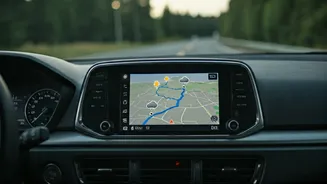
We live in an age of incredible information, and our weather apps are a prime example. It wasn't long ago that a forecast was a broad, regional guess. Now, apps like AccuWeather and CARROT Weather offer hyperlocal, down-to-the-minute predictions. You
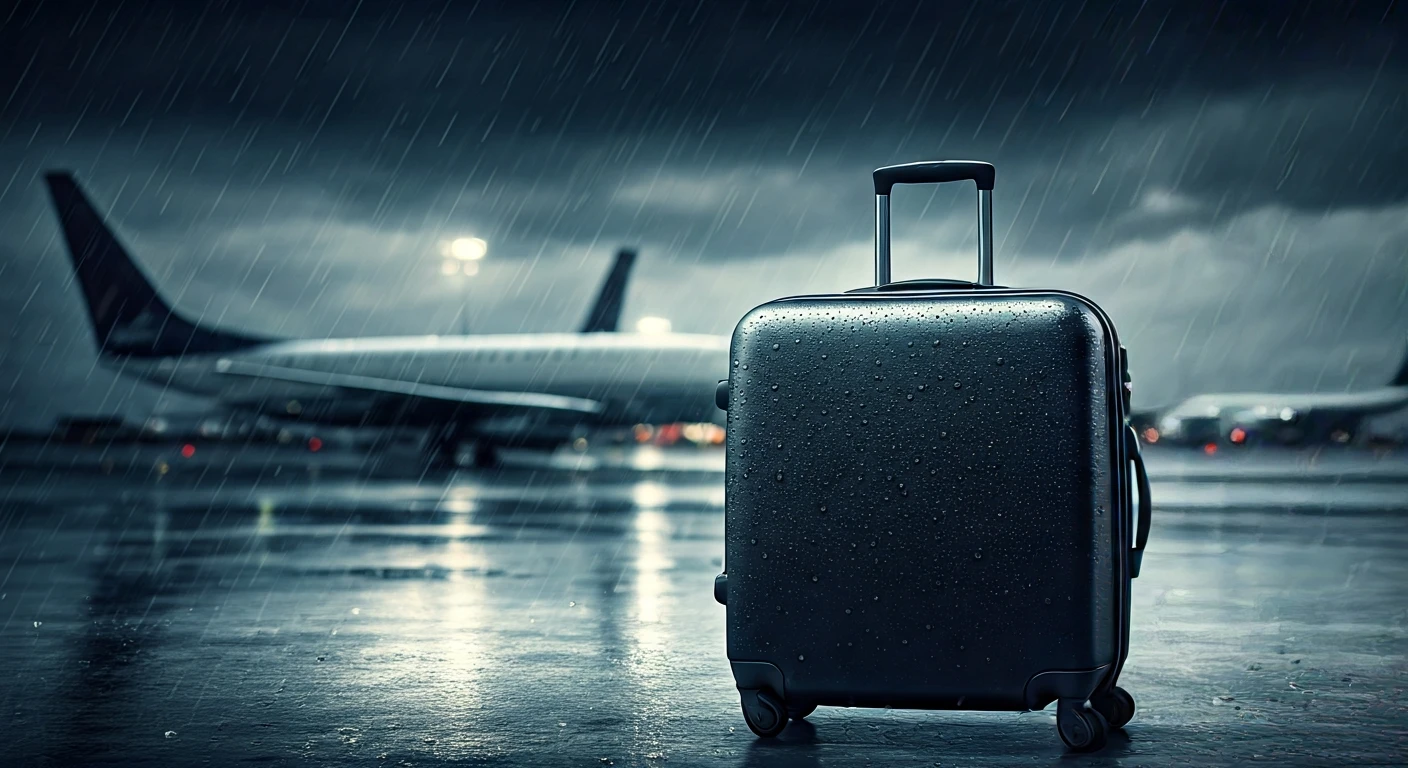
don’t just know it might rain tomorrow; you know it will start drizzling at 3:15 PM and turn into a downpour by 3:45 PM. While this precision is a technological marvel, it has created a new kind of modern dread: weather anxiety. Every meticulously planned outdoor event now comes with a constant refresh of the 10-day forecast. This isn't just about getting wet; it's about the psychological weight of watching a non-refundable investment slowly circle the drain. The certainty of a bad forecast, delivered directly to our pockets, has fundamentally changed the emotional stakes of planning.
The True Cost of a Washout
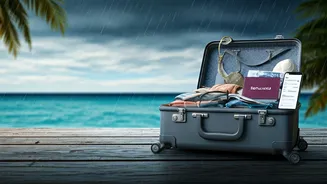
When a non-refundable plan gets rained out, the cost is more than just the money you've lost. There’s the disappointment tax—the sinking feeling of an experience you were excited for being ruined. There's the logistical scramble—trying to find something else to do, often indoors and crowded because everyone else had the same idea. And there’s the quiet resentment that can build when you’re forced to “make the best of it,” shivering under a flimsy poncho at a concert you can’t hear or staring at a gray, windswept sea from your expensive beachfront hotel room. These “sunk costs” aren't just financial; they're emotional. By locking ourselves into a non-refundable plan, we’re betting against nature, and thanks to our phones, we get a front-row seat to watch our bet go bad in real-time.
When Is the Refundable Premium Worth It?
Paying 15-30% more for a refundable flight or a hotel with free cancellation used to feel like a luxury. Now, it’s better viewed as a strategic investment in peace of mind. The math makes sense in specific, high-stakes scenarios. For that once-in-a-lifetime trip to see the cherry blossoms or a bucket-list hike, where the entire point is the outdoor experience, flexibility is paramount. The same goes for expensive tickets to an outdoor festival or sporting event. The smaller premium up front can save you from a total loss. Think of it this way: are you willing to pay an extra $50 on a $500 hotel booking to retain the power to cancel if the forecast shows a weekend-long hurricane? For most people, the answer is an easy yes. It’s not about being a pessimist; it’s about being a realist in an era of perfect information and unpredictable climate patterns. This strategy is also clutch for crucial family events like outdoor reunions or photo shoots, where a rain-check is far better than a rained-out memory.
How to Book Flexibility Smartly
Embracing refundable bookings doesn’t mean throwing money away. It means being a smarter shopper. When booking hotels, use the “free cancellation” filter on sites like Booking.com or Expedia. Pay close attention to the deadline—some are 24 hours before check-in, others are a week. For flights, the situation has improved. Many U.S. airlines have eliminated change fees for main cabin fares, offering a flight credit if you cancel. This isn’t a cash refund, but it’s valuable flexibility. However, for a true cash-back option, you’ll often need to book a specific—and more expensive—refundable fare. Another powerful tool is “Cancel For Any Reason” (CFAR) travel insurance. It’s an optional add-on to a standard policy that lets you recoup 50-75% of your non-refundable costs if you back out, no questions asked. The cost is higher than basic insurance, but for a big-ticket trip, it’s the ultimate escape hatch.