






The New Anime Pilgrimage
Step into Tokyo’s Akihabara district, and you’ll see a new kind of tourist. They’re not just snapping photos of the neon-drenched streets; they’re on a mission. Young Indian travelers are increasingly making a pilgrimage to the heart of Japan’s otaku
(geek) culture, hunting for rare figurines from ‘One Piece,’ visiting cafes themed around their favorite video games, and seeking out real-world locations featured in beloved anime films like ‘Your Name.’ This isn't a niche trend. According to the Japan National Tourism Organization (JNTO), India has become one of the fastest-growing tourism markets for the country, with visitor numbers in 2023 surpassing pre-pandemic levels. While business travel and traditional tourism still exist, travel agencies and industry analysts point to a distinct and powerful new driver: a deep and passionate fandom for Japanese anime and manga.
From Streaming to Suitcases
So, how did anime become such a powerful draw for Indians? The seeds were planted years ago, but the boom truly took off during the pandemic. With more time at home, millions of young Indians discovered anime through streaming services like Netflix and Crunchyroll. Series like ‘Naruto,’ ‘Attack on Titan,’ and ‘Jujutsu Kaisen’ became cultural touchstones, offering complex storytelling and unique aesthetics that resonated deeply. Unlike the West, where anime has been mainstream for decades, its explosion in India is more recent and, for many, more fervent. Social media amplifies this passion. Indian influencers and travelers share their ‘anime journeys’ on Instagram and YouTube, creating detailed guides on where to find the best ramen featured in ‘Naruto’ or how to get tickets to the Ghibli Museum. This online buzz turns a passive hobby into an actionable travel goal, making a trip to Japan feel like stepping directly into a world they love.
An Economic Perfect Storm
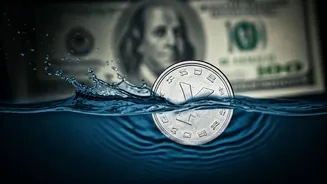
Of course, passion alone doesn’t pay for plane tickets. This cultural pull is happening alongside a perfect storm of economic factors that make Japan more accessible to Indian tourists than ever before. The most significant is the historically weak Japanese yen. For Indian travelers, the favorable exchange rate against the rupee means their money goes much further, making Japan a surprisingly affordable luxury destination compared to Europe or the United States. A trip that once seemed financially out of reach is now a viable vacation. Furthermore, Japan has simplified its visa process for Indian nationals, and airlines have increased the number of direct flights between the two countries. This combination of cultural desire and financial feasibility has created a powerful synergy, opening the floodgates for a new wave of pop-culture-savvy travelers.
A Masterclass in Soft Power
This phenomenon is more than just a tourism win; it's a textbook case of ‘soft power’—the ability to attract and influence through culture rather than force. For decades, Japan has invested in promoting its cultural exports, from food and fashion to anime and video games, under its ‘Cool Japan’ initiative. The surge in Indian tourism is a direct return on that investment. It demonstrates how a country’s creative industries can become a primary economic engine and a tool for international diplomacy. While the U.S. has long leveraged Hollywood for similar influence, Japan’s success with anime in a massive, youthful market like India provides a modern blueprint. It shows that connecting with a generation through compelling stories can build cultural bridges and, in the process, drive billions of dollars in tourism revenue.