
The Age of the ‘Curry’ Catch-All
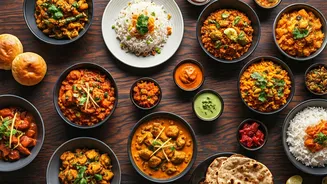
Not long ago, for many Americans, “Indian food” was a fairly monolithic concept. It was the stuff of strip-mall buffets and a handful of familiar, often Anglicized, dishes. The online search history of the nation reflected this. Queries for “chicken tikka
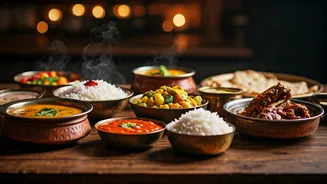
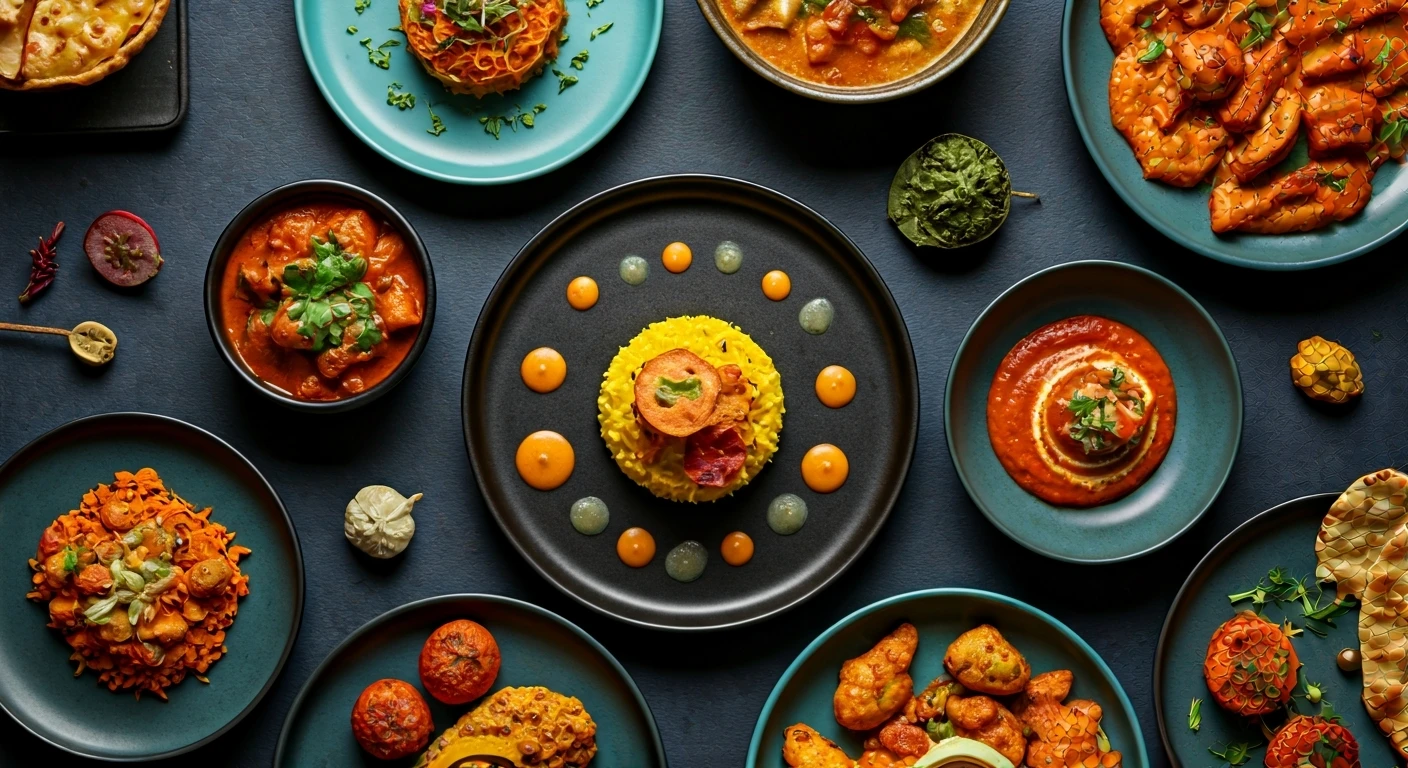
masala recipe,” “best naan,” and “samosa” dominated. These dishes, while delicious, represent a tiny, curated fraction of India's culinary vastness—a greatest-hits album for a country with a library of epics. This simplification was a necessary marketing tool for the first wave of Indian restaurateurs in the U.S., who needed to make a complex, intimidatingly diverse cuisine accessible to an unfamiliar public. They created a comforting, predictable menu that served as an entry point. But in doing so, the incredible specificity of a nation’s diet—from the coconut-laced stews of Kerala to the mustard-sharp flavors of Bengal—was flattened into the convenient, but ultimately misleading, category of “curry.”
From Vague to Vivid
Something has changed. Take a scroll through TikTok or Instagram, and the landscape looks entirely different. Instead of just another butter chicken, you’ll find a creator lovingly explaining the art of a perfect tadka (the sizzling, spiced oil that finishes a dal). Instead of just “lentil soup,” people are searching for “Gujarati dal” or “dal makhani.” The search terms are getting more specific, more knowledgeable, and more ambitious. Food lovers aren’t just asking for “Indian chicken”; they’re looking for “Chicken Chettinad,” “Kodi Vepudu,” or “Malabar chicken curry.” This isn't just about showing off. It’s a reflection of a deeper hunger for authenticity and an understanding that “Indian food” is a misnomer. There are only regional Indian foods, and Americans are finally learning the map.
The Digital Dining Table
So what’s driving this evolution? The answer lies in the digital democratization of food culture. The gatekeepers of the past—restaurant menus and mainstream food magazines—have been supplemented by a vibrant ecosystem of second-generation Indian-American creators, chefs, and home cooks. On social media, they are not translating their food for a Western palate; they are presenting it as it is, in all its complex, regional glory. They share the recipes their grandmothers made, demystify ingredients once confined to specialty stores, and celebrate dishes that would never have made it onto a standard restaurant menu. Chefs like Chintan Pandya of Dhamaka in New York have built critical acclaim by focusing exclusively on the “unapologetic” and lesser-known dishes of rural India. This digital and culinary movement has given millions of people a richer, more nuanced education in Indian cuisine than any buffet ever could.
More Than a Meal, It’s an Identity
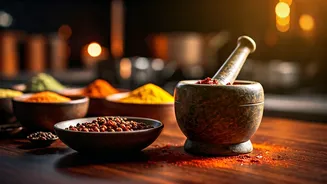
This shift also signals a powerful change within the Indian diaspora itself. For years, many second-generation kids felt a need to downplay the pungent, intensely flavored foods of their heritage to fit in. The lunchbox moment—being teased for a fragrant home-cooked meal—is a shared trauma for many. Today, that narrative is being flipped. The same foods are now a source of pride, cultural currency, and connection. Sharing a hyper-specific regional recipe is a way of reclaiming identity and celebrating a heritage that was once encouraged to be kept private. When someone searches for how to make “podi” (a South Indian spice powder) or the perfect “appam” (a fermented rice pancake), they aren’t just looking for a recipe. They are participating in a cultural reawakening, proving that the most authentic flavors no longer need to be hidden.