





What Exactly Is a Flexible Room?
Forget the American open-concept great room, where the kitchen, dining, and living areas bleed into one vast space. The flexible room in India is a far more deliberate and clever creation. It’s not about removing walls, but about making them move, disappear,
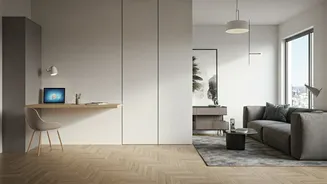
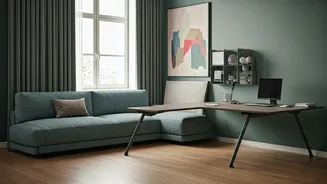
or serve multiple functions. Think of a living room where a beautifully crafted wooden partition slides out to create a private prayer space or a quiet home office. Imagine a child’s bedroom where the bed folds into the wall, revealing a desk and converting the room into a study zone. Or a formal dining area that, with the help of stackable chairs and a retractable table, becomes an open space for a family gathering or a yoga session. This is architectural ingenuity born from necessity—a design philosophy where every square foot must justify its existence, often by wearing multiple hats throughout the day.
The Urban Squeeze
To understand the rise of the flexible room, you first have to understand the reality of urban India. In bustling metropolises like Mumbai, Delhi, and Bengaluru, real estate is notoriously expensive, and apartment sizes have been shrinking. For a growing middle and upper-middle class, the dream of a spacious home is often at odds with the high cost of city living. A three-bedroom apartment might be the goal, but the budget only allows for two. This economic pressure is a powerful catalyst for innovation. Homeowners and architects are forced to ask: how can we make a 1,000-square-foot apartment feel and function like one that’s 1,500? The answer lies in multi-purpose design. A guest room that sits empty 90% of the time is a luxury many can't afford. But a room that serves as a home office Monday to Friday, a kids’ playroom on Saturday, and a guest room for visiting relatives on Sunday is not a luxury—it's a smart investment in livability.
Redefining the Family Home
While urban density is a key factor, culture plays an equally important role. The 'joint family' system, where multiple generations live under one roof, remains a cornerstone of Indian society, even if its form is evolving. Today’s multi-generational home has to accommodate vastly different needs. Grandparents might require a quiet, accessible space on the ground floor, while their tech-professional children need a dedicated, sound-proofed area for Zoom calls. Grandchildren need a place to study and play. Flexible design provides the solution, allowing for both togetherness and privacy. Sliding doors, convertible furniture, and modular partitions allow a family to shift the home’s layout to suit the moment—creating open spaces for festivals and family dinners, then re-establishing private zones for work, study, and rest. It’s a way of honoring the tradition of communal living while adapting to the modern demands of individualism and personal space.
The Work-From-Home Revolution
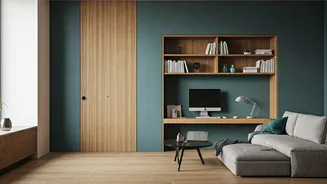
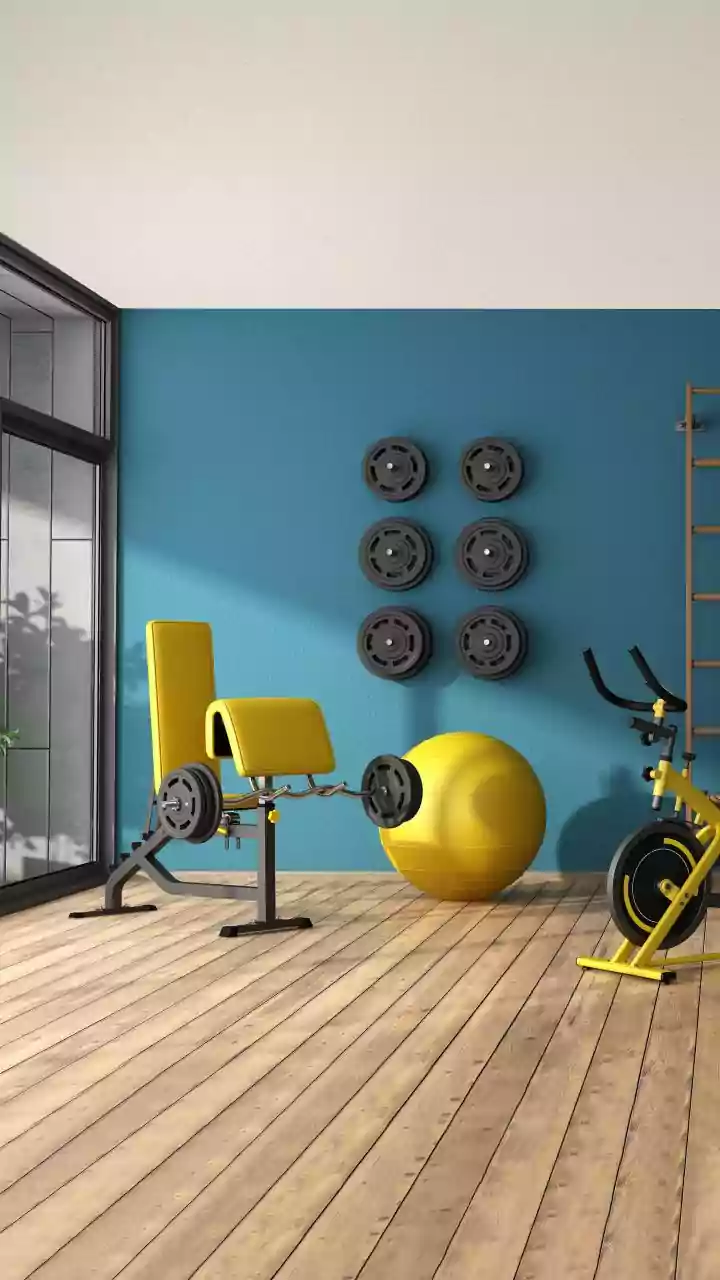
If the urban squeeze and cultural shifts built the foundation for flexible rooms, the global pandemic cemented the trend into a permanent fixture. Overnight, homes across India had to become offices, classrooms, gyms, and entertainment centers. The makeshift desk in the corner of the bedroom quickly proved inadequate. This sudden, intense pressure on living space made the value of adaptability undeniable. Architects and interior designers report a surge in requests for home renovations focused on creating dedicated, yet flexible, workspaces. A spare balcony might be enclosed to create a small office pod. A niche in a hallway can be fitted with a fold-down desk. The demand is for spaces that can seamlessly transition from professional to personal. This shift isn't temporary; as hybrid work models become standard, the home office—or at least, the home’s ability to *become* an office—is now a non-negotiable feature for many Indian homebuyers.