



The End of the ‘Must-See’ List
For decades, travel in India—and for Indians traveling abroad—was defined by a checklist. You went to Goa for the beaches, Shimla for the mountains, Paris for the Eiffel Tower, and Switzerland for the landscapes made famous by Bollywood. These destinations
became rites of passage, their popularity reinforced by family traditions and pop culture. But the script is changing, fast. Propelled by rising disposable incomes and unparalleled digital connectivity, India’s massive population of Millennials and Gen Z—hundreds of millions strong—is rewriting the rules of travel. They aren’t just looking for a vacation; they’re hunting for a story, an experience, and a vibe. The old ‘must-see’ list, with its associated crowds, high prices, and predictable itineraries, is quickly losing its luster.
From Instagram Cliché to TikTok Discovery
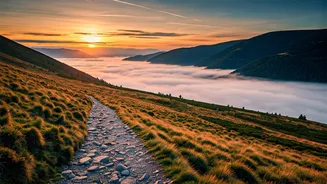
It’s easy to blame social media for over-tourism, as countless articles have. Platforms like Instagram created a culture of pilgrimage to specific photogenic spots, leading to the same shot of the same infinity pool being posted thousands of times. But for this new wave of travelers, the dynamic has flipped. Social media is no longer about replicating the known, but about discovering the unknown. The ultimate status symbol isn't a selfie at the Taj Mahal; it's a drone shot of a remote lake in Arunachal Pradesh or a video from a rustic homestay in a quiet Keralan village that none of their friends have heard of. They are digital natives who understand the algorithm's hunger for novelty. Being the first in their circle to ‘discover’ a place provides a social currency that a trip to a crowded hotspot simply cannot. The goal has shifted from 'I went there too' to 'You've probably never heard of this place.'
Trading Crowds for Authentic Experiences
This shift isn't just about social media bragging rights. It’s a deeper, more fundamental change in travel philosophy. The post-pandemic world has amplified a collective desire for space, quiet, and meaningful connection—all things that are antithetical to an overcrowded tourist destination. Young Indians are increasingly seeking out slow travel, wellness retreats, and skill-based journeys. They’d rather spend a week learning pottery in a Rajasthani village, taking a surf class in Gokarna, or working remotely from a café in the Himalayan foothills than fighting for a spot on a crowded beach. This is a generation that values experiences over souvenirs. They want to immerse themselves in local culture, eat authentic food (not the tourist-menu version), and connect with nature on their own terms. It’s a conscious rejection of the passive, pre-packaged tourism model their parents might have favored.
So, Where Are They Going?
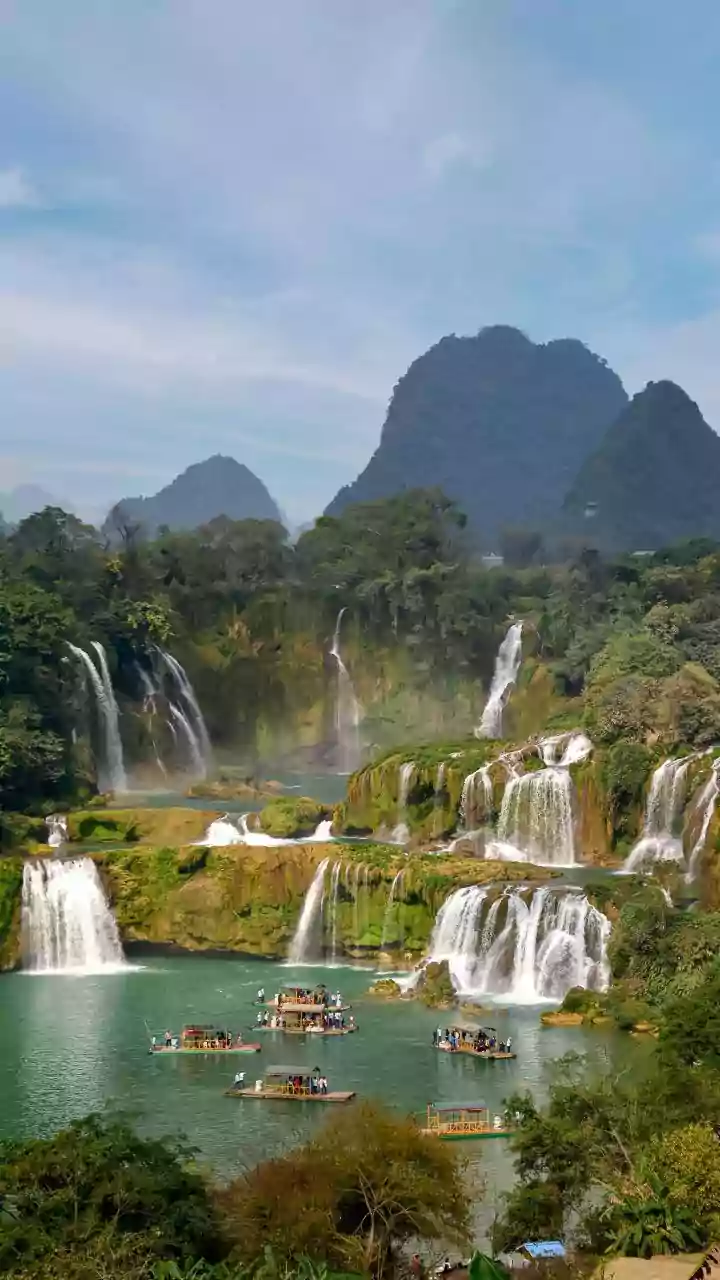
While iconic destinations aren't going to empty out overnight, a clear pattern of displacement is emerging. Domestically, travelers are fanning out. Instead of the overrun hill stations of Himachal Pradesh like Shimla and Manali, they’re exploring quieter valleys like Tirthan and Spiti. Instead of the main beaches of North Goa, they’re heading to the serene shores of South Goa, Karnataka’s coastline, or the pristine Andaman and Nicobar Islands. States in the Northeast, once considered remote, are now bucket-list destinations for their rugged landscapes and distinct cultures. Internationally, the trend holds. While Europe and Dubai remain popular, there’s surging interest in offbeat destinations like Vietnam, the Philippines, Jordan, and parts of Eastern Europe. These places offer novelty, better value for money, and a chance to escape the crowds following the same well-worn tourist trails.