



Walk Through Asia’s Cleanest Village
Imagine a village where tidiness isn't a chore, but a way of life. Welcome to Mawlynnong. For years, this small community has held the distinction of being “Asia’s Cleanest Village.” But this isn't the result of a government program; it's a deep-seated
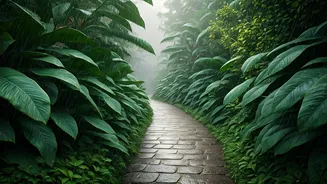
cultural practice. Bamboo dustbins are placed at every corner, plastic bags are banned, and residents—from young children to elders—participate in daily cleaning. Walking its spotless pathways, lined with flowering orchids and charming traditional Khasi homes, feels like stepping into a storybook. The commitment to cleanliness is a powerful, living example of community-led conservation, making a visit both beautiful and inspiring.
Cross the Living Root Bridges
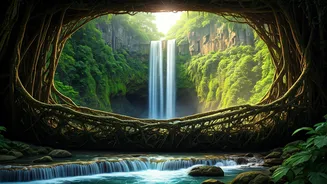
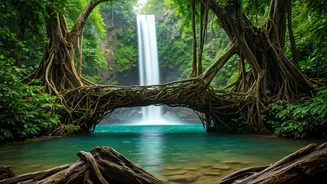
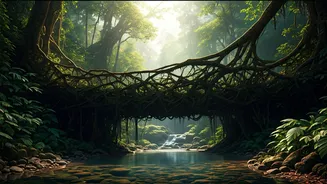
Perhaps Meghalaya's most famous marvels are its living root bridges. For centuries, the indigenous Khasi and Jaintia peoples have guided the aerial roots of rubber fig trees across rivers and streams, weaving them into sturdy, living structures. These bridges, which can take 15 to 20 years to become fully functional, get stronger over time as the roots grow thicker. The most iconic of these is the Jingkieng Nongriat, a stunning double-decker bridge near Cherrapunji. Reaching it requires a significant trek down thousands of steps, but the reward is an otherworldly sight: a feat of bio-engineering that represents a perfect harmony between human ingenuity and nature.
Witness the Plunge of Nohkalikai Falls
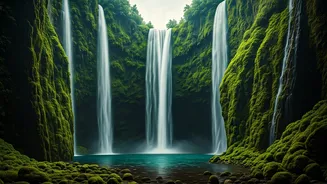
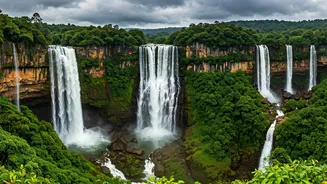
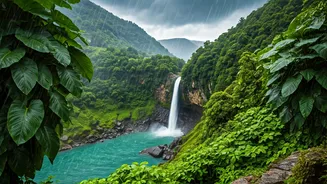
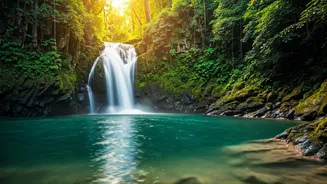
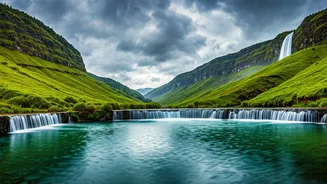
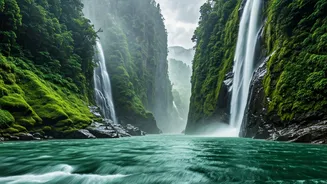
Meghalaya is a land of waterfalls, and Nohkalikai is its crown jewel. As India’s tallest plunge waterfall, it drops a staggering 1,115 feet from a verdant clifftop into a turquoise pool below. The falls are breathtakingly beautiful, but they also carry a somber local legend of a woman named Likai, lending the site a layer of dramatic folklore. During the monsoon season (June to September), the falls are at their most powerful, a thunderous cascade shrouded in mist. In the drier months, the pool at the base glows with an almost unreal emerald hue. It's a raw, powerful display of nature that commands respect and awe.
Admire the Seven Sisters
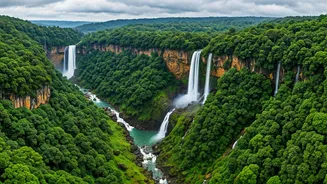
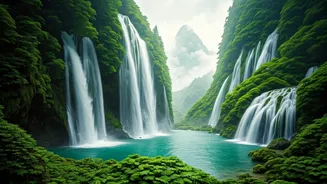
Another must-see cascade is Nohsngithiang Falls, more popularly known as the Seven Sisters Waterfalls. This segmented waterfall features seven distinct streams that tumble side-by-side down a wide limestone cliff. The view is especially spectacular during the monsoon when the streams merge into a single, roaring curtain of water. Positioned to catch the sunlight perfectly, the falls often create vibrant rainbows in the mist, making for an unforgettable photo opportunity. It’s a classic postcard view of Meghalaya's water-rich landscape and a testament to why this region receives some of the highest rainfall on Earth.
Explore a Subterranean World
Beyond the green canopy and cascading waters lies another world: a network of some of the longest and most complex cave systems in Asia. Carved by millennia of rainfall, these limestone caves are filled with magnificent stalactites and stalagmites. Mawsmai Cave is the most accessible for tourists, with a well-lit path that allows visitors to explore a portion of the subterranean labyrinth. It’s a fascinating glimpse into the geology that shapes this unique region, offering a different kind of adventure for those willing to look beneath the surface.