



Why Product Chasing Fails
The familiar cycle goes like this: you notice an issue—flakes, grease, itchiness—and rush to the store for a targeted solution. For a week, things seem better. Then, the problem returns, or a new one crops up. This “product-whack-a-mole” approach fails
because it treats symptoms, not the root cause. You’re layering harsh stripping agents on a dry scalp or heavy moisturizers on an oily one, throwing its delicate ecosystem further out of balance. Constantly switching products bombards your scalp with new ingredients, fragrances, and preservatives, increasing the likelihood of irritation. Instead of calming the situation, you’re creating chaos. The solution isn’t more products; it’s a better, more consistent approach.
Your Scalp Is Skin, Not Hair
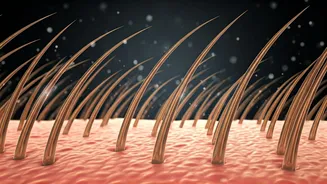
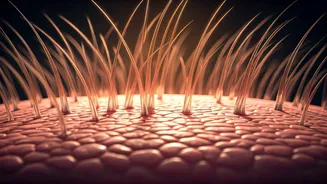
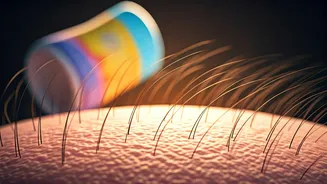
This is the most critical mindset shift. We tend to think of our scalp as just the place where hair grows, but it’s a complex extension of our facial skin. It has pores, sweats, produces oil (sebum), and sheds dead cells. It’s also home to a unique microbiome—a community of microscopic organisms that, when balanced, help protect against pathogens and inflammation. When we use aggressive shampoos, scalding hot water, or pile on dry shampoo for days, we disrupt this environment. Just as you wouldn't use a harsh, stripping cleanser on a dry face, you shouldn’t on a dry scalp. Treating your scalp with the same targeted, gentle care you give your face is the first step toward true health.
Diagnose Your Core Condition
Before you can fix the problem, you need to know what it is. Step back and observe. Is your scalp dry? You’ll likely feel tightness and see small, white, powdery flakes that fall easily. Is it oily? Your hair gets greasy quickly, even a day after washing, and you might have larger, yellowish, stickier flakes. Is it product build-up? Your hair feels dull, heavy, and coated, and your scalp might be itchy from residue left by stylers, conditioners, or even hard water. Sometimes these issues overlap, but identifying your primary tendency helps you choose the right cleansing strategy and ingredients, rather than grabbing a generic “dandruff” shampoo that might be too harsh for a simply dry scalp.
Master the Art of Cleansing
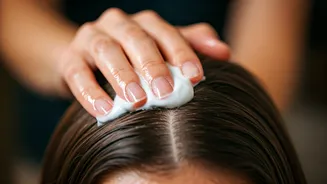
How you wash your hair is as important as what you wash it with. Over-washing, especially with strong detergents like sulfates, can strip the scalp of its natural oils, triggering it to produce even more oil to compensate (for oily types) or leaving it painfully dry and irritated (for dry types). Under-washing allows oil, dead skin, and product to build up, clogging follicles and leading to inflammation. Find your rhythm—it might be every other day or just twice a week. Use lukewarm water, not hot. Spend a full minute massaging the shampoo gently into your scalp with your fingertips (not nails) to dislodge debris and boost circulation. And most importantly, rinse thoroughly to ensure no residue is left behind.
Read the Ingredients, Not the Claims
The front of the bottle makes promises; the back tells the truth. Learning a few key ingredients empowers you to choose effectively. For dandruff and oil control, look for proven actives like zinc pyrithione, ketoconazole, or selenium sulfide. For gentle exfoliation to manage build-up and flakes, salicylic acid is a fantastic choice. If your scalp is dry and tight, seek out hydrating ingredients common in skincare, such as hyaluronic acid and glycerin. At the same time, know what to avoid. Harsh sulfates (like Sodium Lauryl Sulfate) can be overly stripping for many, and certain alcohols can be drying. Focusing on the ingredient list turns you from a passive consumer into an informed advocate for your own scalp.
When to Call a Professional
A smart, consistent routine can solve most common scalp woes. However, some issues require medical intervention. If you are experiencing significant or sudden hair loss, persistent and painful itching, open sores, or thick, scaly patches that don't improve with over-the-counter treatments, it’s time to see a board-certified dermatologist. These could be signs of underlying conditions like psoriasis, seborrheic dermatitis, or fungal infections that need a professional diagnosis and prescription treatment. Trying to self-treat a serious condition can make it worse, so don't hesitate to seek expert help when your efforts aren't enough.