





Meet the Original: Egg Bhurji
Before we get to the tofu, we have to talk about eggs. For millions in India and across the diaspora, Egg Bhurji is the ultimate comfort food. The name itself, ‘bhurji,’ refers to the scrambling. Think of it as scrambled eggs, but supercharged. Finely
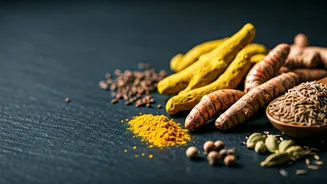
chopped onions, tomatoes, ginger, and green chilies are sautéed until fragrant, then bloomed with spices like turmeric, cumin, and coriander. Finally, eggs are cracked directly into the pan and scrambled into the savory, aromatic mixture. Served hot with buttered toast (known as ‘pao’) or folded into a roti, it’s a quick, satisfying, and deeply flavorful meal that works for breakfast, lunch, or a late-night snack. It’s the kind of dish that’s both universally loved and intensely personal, with every family having their own slight variation on the spice blend or a secret ingredient.
The Plant-Based Transformation
Enter Tofu Bhurji. This isn’t a pale imitation; it’s a clever and delicious reinterpretation. The process is nearly identical, preserving the soul of the dish. You still create that fragrant base of aromatics and spices. But instead of eggs, you crumble in a block of extra-firm tofu. The magic is in the texture and the tofu’s unique ability to act as a sponge. When crumbled, it mimics the soft curds of a scrambled egg. More importantly, it soaks up every last drop of flavor from the spiced onion-tomato masala. The result is a dish that is shockingly similar in satisfaction to the original, yet entirely its own. A final sprinkle of cilantro and a squeeze of lime juice make it bright and vibrant. It delivers the same savory, spicy comfort, proving that the heart of the dish was never the egg itself, but the symphony of spices and aromatics it was cooked with.
The 'Ethical' Part of the Equation
So, what makes it an “ethical” choice? The conversation starts with the industrial egg industry. Even with labels like “cage-free,” the reality for most commercially produced eggs involves practices that many consumers find troubling, from animal welfare concerns to the environmental footprint of large-scale poultry farming. Tofu, primarily made from soybeans, offers a compelling alternative. While soy cultivation has its own complexities, its overall impact in terms of land use, water consumption, and greenhouse gas emissions is significantly lower than most animal agriculture. By choosing Tofu Bhurji, you’re sidestepping the ethical maze of the egg industry. It’s a simple swap that carries a lighter planetary load and aligns with a more compassionate approach to food, without sacrificing an ounce of flavor. It shifts the focus from a single-ingredient protein to a more holistic, plant-powered dish.
And Now for the 'Flex'
In a world where food is a language, Tofu Bhurji has become a new form of culinary poetry. Making it is a “flex,” but not in a flashy, look-at-my-expensive-truffle kind of way. It’s a quieter, more sophisticated statement. First, it shows culinary curiosity—an appreciation for global flavors and the traditions behind them. Second, it demonstrates skill. Anyone can crack an egg, but knowing how to transform a block of bland tofu into a mouth-watering scramble shows you know your way around a kitchen. Finally, and most importantly, it signals mindfulness. It says you think about where your food comes from and the impact of your choices. It’s a flex of conscience, not just cash. It tells your guests, “Not only did I make you something delicious, but I also made it with intention and care.” It’s the perfect dish for the modern foodie who values flavor, culture, and ethics in equal measure.