




The Semiquincentennial Spark
The biggest clue is hidden right there in the year: 2026 marks the 250th anniversary of the United States. Known as the Semiquincentennial, this nationwide commemoration will trigger a massive wave of interest in American history and heritage. And what’s
one of the most accessible, enjoyable ways to connect with history? Through food. Expect cities and states to lean heavily into their culinary traditions as a point of pride. Philadelphia won’t just be about the Liberty Bell; it will be about the deep-rooted history of scrapple, water ice, and the evolution of the cheesesteak. Charleston’s Gullah Geechee culinary heritage will be rightfully celebrated not just as Southern food, but as a foundational American cuisine. This anniversary provides a national narrative hook, giving media, tourism boards, and chefs a reason to spotlight the dishes that tell the story of their specific corner of the country. It’s a built-in marketing bonanza for everything from Michigan’s pasties to New Mexico’s green chile.
The TikTok-ification of Taste
While the 250th anniversary provides the 'why now,' social media provides the 'how.' The era of a few New York-based critics dictating food trends is long over. Today, tastemakers are regular people with iPhones in every city. Platforms like TikTok and Instagram Reels have democratized food discovery, turning hyper-local specialties into viral sensations overnight. A single video of a perfectly gooey Detroit-style pizza, a juicy birria taco from a truck in Los Angeles, or a bizarrely fascinating look at Cincinnati chili can reach millions, creating immediate, widespread curiosity. This bottom-up exposure means that a dish no longer needs a Michelin star or a James Beard award to get national attention. It just needs to look delicious and have a story that resonates. This digital word-of-mouth makes people feel like they’ve discovered a secret, driving them to seek out these authentic experiences themselves.
A Hunger for Authenticity
This all taps into a deeper cultural shift: a collective craving for authenticity. After decades of globalization that made a Starbucks in Boise look the same as one in Bangkok, there's a growing backlash against homogeneity. Consumers, particularly younger generations, are increasingly seeking out products, experiences, and, yes, food that has a tangible sense of place and a real story. Regional food is the ultimate antidote to the generic. A Sonoran hot dog isn't just a snack; it's a taste of the borderlands, a fusion of Mexican and American cultures wrapped in a bolillo roll. A slice of Smith Island Cake isn't just dessert; it's Maryland’s official state dessert, a nine-layer testament to a specific island community’s tradition. This search for the real thing is pushing diners away from ubiquitous chains and toward the unique flavors that can only be found in a particular city or region.
Beyond the Usual Suspects
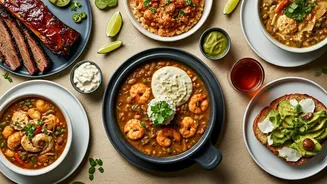
So what will this look like on the menu? It means we'll be moving far beyond the well-trodden territory of New York pizza and Texas barbecue. The spotlight will swing to the nation's under-the-radar culinary treasures. Get ready to hear more about the seafood boils of the Gulf Coast, the rich stews and frybread of Indigenous cuisines, the tangy “white sauce” barbecue of Alabama, and the distinct pizza styles of St. Louis and the Ohio Valley. Chefs will increasingly act as culinary archivists, reviving forgotten local recipes and championing heritage ingredients. This isn't about novelty for novelty's sake; it's about recognizing the incredible diversity that has always existed in American cooking but has often been overlooked in favor of a few coastal powerhouses.