






The Underdog Protein Steps Up
For years, tempeh has been the slightly more mysterious, less-mainstream cousin of tofu. Hailing from Indonesia, this fermented soybean cake is a nutritional powerhouse, packed with protein, fiber, and prebiotics. Unlike tofu, which is soft and smooth,
tempeh has a firm, nutty, and satisfyingly chewy texture. It’s this heartiness that makes it a fantastic meat substitute, capable of holding its own in a dish without turning to mush. Traditionally, it's sliced and fried, crumbled into sauces, or marinated. But its ability to absorb flavors like a sponge is what’s making it the perfect canvas for a bold new experiment that's lighting up kitchens across U.S.
Defining the 'Desi' Stir-Fry
So, what exactly is a “Desi” stir-fry? The term “Desi” is a colloquial name for people, cultures, and products of the Indian subcontinent. While stir-frying is most closely associated with East Asian cooking, the technique of quickly cooking chopped ingredients in a hot pan is universal. In South Asian cooking, this might look like a *sabzi* (a mix of cooked vegetables) or a *bhaji*. The 'Desi stir-fry' makeover for tempeh borrows from this tradition. It ditches the soy, oyster, and hoisin sauces and instead builds a flavor foundation on the pillars of South Asian cuisine: pungent aromatics and earthy, vibrant spices. Think less sweet-and-sour and more savory-and-spiced.
The Flavor-Bomb Combination
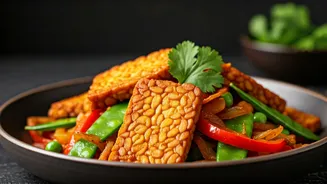
The magic starts with blooming whole spices like cumin and mustard seeds in hot oil until they sizzle and release their fragrance. Then comes the holy trinity of many Indian dishes: finely chopped onion, garlic, and ginger, sautéed until soft and sweet. Next, the ground spices are added—turmeric for its golden color and earthy notes, coriander for its citrusy warmth, and a pinch of cayenne or red chili powder for a kick. Once this fragrant base is established, the cubed or crumbled tempeh is tossed in, allowing it to toast and soak up all that incredible flavor. Finally, vegetables like bell peppers, onions, peas, and spinach are added and cooked until just tender-crisp. A final flourish of garam masala, a squeeze of lemon juice, and a sprinkle of fresh cilantro ties it all together.
Why This Fusion Just Works
This culinary marriage is a perfect match for several reasons. First, tempeh’s mild, nutty flavor doesn't compete with the assertive Desi spices; it complements them. Its firm texture provides a satisfying contrast to the softer vegetables. Second, this fusion aligns perfectly with modern American eating habits. It’s plant-based, protein-rich, and gluten-free, checking all the boxes for health-conscious diners looking for exciting new options. It also represents a delicious evolution in the American palate, which has become increasingly adventurous and open to the complex, layered flavors of global cuisines. It’s no longer just about “curry”; it's about understanding and celebrating the specific spice blends and techniques that make South Asian food so compelling. This dish is a delicious, accessible entry point into that world.