






Embrace 'Good Enough' Movement
The pressure to maintain a perfect, 60-minute gym routine during the busiest time of year is a recipe for failure and guilt. Instead, top trainers advocate for a “good enough” approach. Forget the hour-long workout and embrace 15-20 minutes of intentional
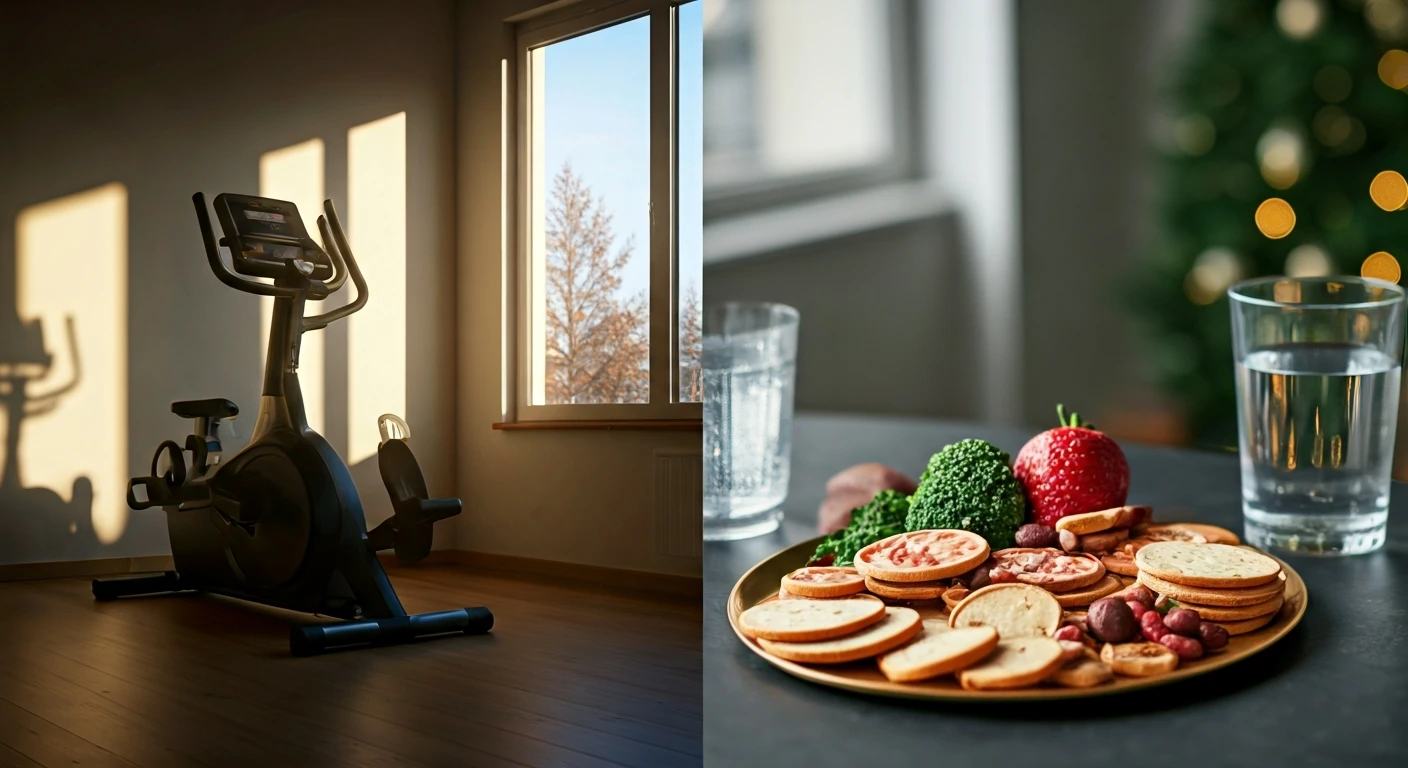
movement. This could be a brisk walk after dinner, a quick bodyweight circuit in your living room before work, or even a dance party with your kids. The goal isn't to burn a specific number of calories; it’s to keep the habit of daily movement alive. Consistency, even in small doses, sends a powerful signal to your body and mind that you are still prioritizing your well-being. This prevents the mental slump that comes from feeling like you’ve 'fallen off the wagon' entirely.
Add, Don't Just Subtract
A restrictive mindset rarely works, especially when you’re surrounded by delicious holiday food. The psychological fatigue of constantly saying “no” often leads to bingeing later. A smarter, more sustainable strategy is to focus on what you can add to your plate. Before you head to a party, have a small, protein-rich snack like Greek yogurt or a handful of almonds to curb intense hunger. At the buffet, start by filling half your plate with vegetables or a salad. By front-loading the nutrient-dense foods, you’re less likely to overdo it on heavier fare. This approach also applies to hydration. Vow to drink a full glass of water before every meal and between alcoholic beverages. You're adding a healthy habit rather than fixating on what you can't have.
Schedule Your Indulgences
Guilt often stems from mindless eating—the three mediocre cookies you ate from the office breakroom, not the slice of your grandmother’s famous pie you look forward to all year. Trainers suggest being intentional with your treats. Scan the dessert table and decide what’s truly worth it to you. Pick one or two items that you will genuinely savor. Then, sit down, eat it slowly, and enjoy every single bite without distraction or guilt. By planning your pleasure, you turn indulgence from a thoughtless mistake into a mindful experience. This gives you a sense of control and allows you to participate in the festive food culture without feeling like you’ve lost your way. It’s the difference between a conscious choice and a regrettable impulse.
Master the 10-Minute Rule
On days when you feel completely unmotivated, overwhelmed, or just plain tired, the thought of any exercise can feel impossible. This is where the 10-minute rule comes in. Make a deal with yourself to do just 10 minutes of activity. It could be stretching, walking on a treadmill, or doing some simple yoga poses. More often than not, once you get started and the endorphins kick in, you’ll feel energized enough to continue for another 10 or 20 minutes. But even if you don't, you still succeeded. You kept your promise to yourself, logged 10 minutes of movement, and reinforced a positive habit. It’s a small victory that prevents the zero-sum game of either working out for an hour or doing nothing at all.
Prioritize Sleep Above All Else
This might be the most overlooked—and most powerful—holiday health habit. Late-night parties, travel, and stress can wreak havoc on your sleep schedule. But a lack of quality sleep does more than make you tired; it disrupts the hormones that regulate hunger. When you're sleep-deprived, levels of ghrelin (the 'hunger' hormone) spike, while leptin (the 'fullness' hormone) plummets. This is a physiological double-whammy that makes you crave high-calorie, sugary foods while simultaneously making it harder to recognize when you’re full. Aiming for 7-8 hours of sleep per night can be your secret weapon for managing cravings, maintaining energy for movement, and keeping your decision-making sharp.