

Declutter Your Space, Declutter Your Mind
The most impactful step toward a calmer home is often the simplest: get rid of what you don’t need. Clutter isn’t just physical mess; it’s visual noise that constantly competes for your brain’s attention. Every object on a surface is a micro-decision
waiting to be made—to be used, put away, or cleaned. This creates a low-grade, persistent cognitive load that can contribute to feelings of anxiety and being overwhelmed. Start small with a single drawer or countertop. The goal isn’t stark minimalism, but to surround yourself only with things that are useful, beautiful, or deeply meaningful. Try the “one-in, one-out” rule: for every new item you bring into your home, one must go. This simple habit prevents clutter from creeping back in and keeps your environment feeling intentional and serene.
Harness the Power of Light
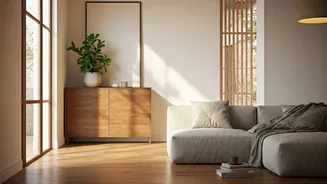
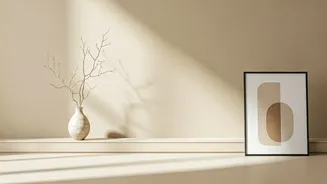
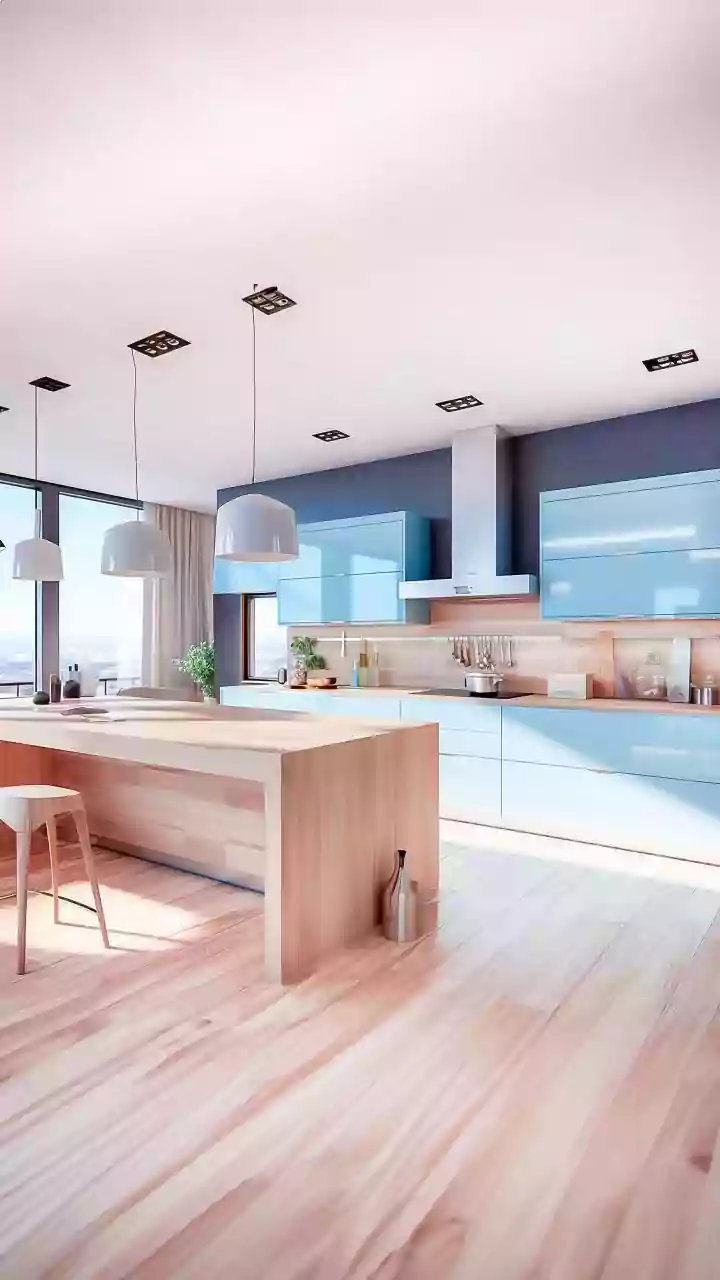
Light is one of the most powerful mood-setters in a room. Ample natural light is proven to boost mood and regulate our circadian rhythms, which improves sleep and overall energy. Maximize daylight by keeping windows unobstructed with sheer or light-colored curtains. In the evenings, avoid harsh overhead lighting, which can feel clinical and disruptive. Instead, opt for layered lighting. Use a combination of floor lamps, table lamps, and perhaps dimmable fixtures to create warm, inviting pools of light. Choose bulbs with a warm temperature (around 2700K) to mimic the soothing glow of candlelight or a sunset. This simple switch can transform a room from a functional space into a cozy, relaxing retreat.
Choose a Restful Color Palette
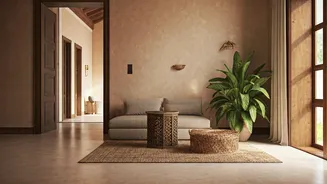
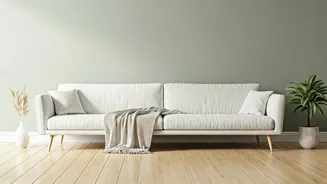
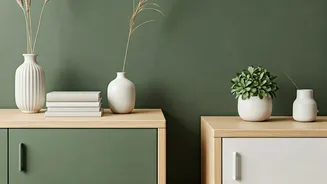
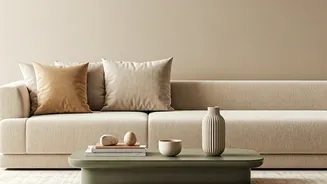
Color has a direct psychological impact. While bold, vibrant colors can be energizing, a calm interior benefits from a more muted, nature-inspired palette. Soft blues, gentle greens, and earthy tones like beige, taupe, and warm grays are known for their soothing qualities. These colors are less demanding on the eye and evoke feelings of stability and peace. This doesn't mean your home has to be boring. You can create interest by layering different shades of the same color family (a monochromatic scheme) or by using a neutral base and adding subtle pops of a favorite calming color through pillows, throws, or artwork. The key is to maintain a cohesive and harmonious feel throughout the space.
Incorporate Natural Elements and Textures
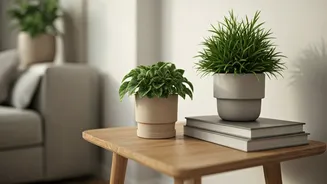
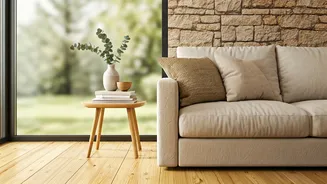
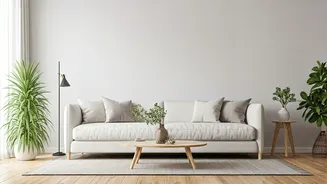
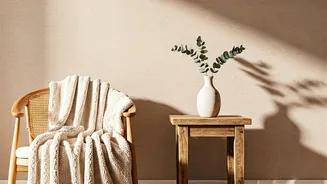
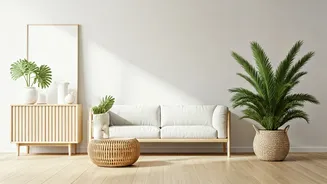
Humans have an innate connection to nature, a concept known as biophilia. Bringing natural elements indoors can reduce stress and increase feelings of well-being. This can be as simple as adding a few low-maintenance houseplants, which not only purify the air but also add life and color. Materials like wood, rattan, wool, and linen also help ground a space. Focus on texture to add warmth and comfort. A soft rug underfoot, a chunky knit blanket on the sofa, or smooth ceramic vases create a tactile experience that is inherently comforting. These varied textures prevent a neutral room from feeling flat and sterile, making it feel layered, lived-in, and deeply inviting.
Create Designated 'Zones' for Order
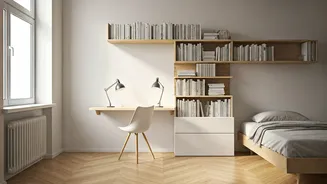
A calm home is an organized one, where everything has a place. This prevents the daily chaos of life from taking over every surface. Establish functional zones for common activities. Create a “drop zone” near the entrance with hooks for keys, a basket for mail, and a bench for shoes. This simple system stops clutter at the door. In the living room, use trays on coffee tables to corral remotes and coasters. In the bedroom, a designated chair for clothes that aren’t dirty but aren’t ready for the closet can prevent the dreaded “chairdrobe.” By giving everyday items a home, you reduce the mental energy spent looking for things and constantly tidying up, allowing your home to support your life instead of complicating it.