






1. Turmeric: The Golden Healer
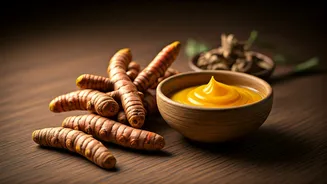
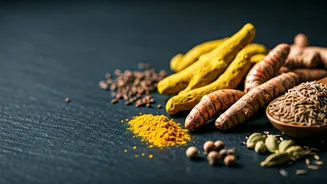
If there's one ingredient that serves as the poster child for this trend, it's turmeric. This brilliant yellow spice, a cousin of ginger, has been a cornerstone of Indian cooking and Ayurvedic medicine for thousands of years. Traditionally, it was used
for everything from treating skin conditions to purifying the blood. Its power comes from curcumin, a compound celebrated for its potent anti-inflammatory and antioxidant properties. In the U.S., its rise has been meteoric. What started with adding a pinch to curries has exploded into 'golden milk' lattes at local cafes, turmeric shots at juice bars, and curcumin supplements lining pharmacy shelves. It’s become a go-to for those seeking a natural way to combat inflammation, a common concern in modern wellness circles.
2. Ashwagandha: The Stress Buster
Feeling stressed? Ayurveda has an herb for that. Ashwagandha, a small shrub whose root has been used for centuries, is classified as an adaptogen. In simple terms, that means it’s believed to help your body manage and adapt to stress. Its Sanskrit name translates to 'smell of the horse,' which refers both to its unique scent and the traditional belief that it imparts the strength and vitality of a stallion. As Americans grapple with burnout and anxiety, ashwagandha has found a fervent following. It's now commonly sold as a powder to be mixed into smoothies, a capsule for easy consumption, or even an ingredient in 'calming' chocolate bars and coffees. For many, it's become a daily ritual to promote a sense of balance and resilience in a hectic world.
3. Ghee: The Clarified Gold
For years, butter got a bad rap. But ghee, its clarified cousin, is staging a major comeback. Ghee is made by simmering butter to remove the milk solids and water, leaving behind pure butterfat. This process makes it lactose-free and gives it a higher smoke point, perfect for high-heat cooking. In India, it's considered a sacred food, essential for both cooking and religious rituals. From a wellness perspective, it's prized in Ayurveda for aiding digestion and absorbing nutrients. In the U.S., it has been embraced by followers of Paleo and Keto diets for being a healthy, stable fat. You’ll find artisanal jars of it—sometimes infused with herbs or spices—in health food stores and even major supermarkets, positioned not just as a cooking oil, but as a nutrient-dense alternative to butter or margarine.
4. Amla: The Vitamin C Powerhouse
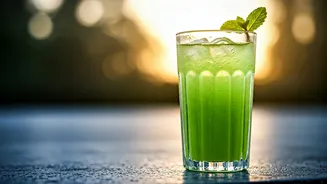
Long before oranges were synonymous with Vitamin C, there was amla, also known as Indian gooseberry. This small, tart green fruit is one of the most celebrated herbs in Ayurveda and is believed to contain more than 20 times the Vitamin C of an orange. Traditionally, it's used as a potent rejuvenator, immune booster, and a tonic for healthy hair and skin. You might have seen it as a key ingredient in Chyawanprash, a jam-like herbal concoction that’s a household staple in India. In the U.S., amla is gaining traction in powder and juice form. Wellness enthusiasts add the powder to their morning green juice or water for a powerful antioxidant boost, seeing it as a natural way to support their immune system and promote a healthy glow from within.
5. Moringa: The Miracle Tree
Often called the 'drumstick tree' or 'miracle tree' in India, moringa is a fast-growing, drought-resistant tree whose leaves are packed with an incredible density of nutrients. They contain significant amounts of vitamins A, C, and E, plus calcium, potassium, and protein. In regions where it grows, it has been used for generations as a solution for malnutrition. Now, the West is catching on. The vibrant green moringa leaf powder has become a popular addition to smoothies, protein shakes, and energy bars. Its slightly earthy, spinach-like flavor makes it an easy nutritional upgrade. As consumers increasingly look for plant-based, nutrient-dense additions to their diets, moringa stands out as a sustainable and exceptionally potent option.