


More Than Just a Rainy Day
When Americans hear 'monsoon,' we often picture relentless, dreary downpours. But in Kerala, a sliver of tropical paradise known as 'God's Own Country,' the monsoon is a celebrated, life-giving event. Arriving each year around early June, it’s less a constant
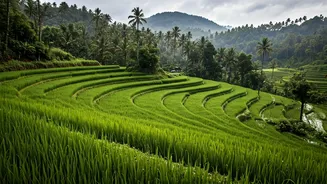
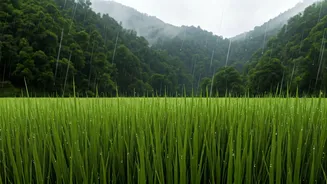
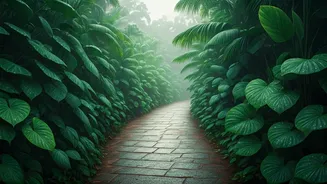
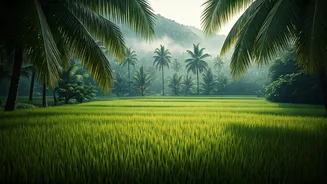
deluge and more a dramatic rhythm of intense showers followed by periods of bright, sunlit calm. The air becomes crisp and clean, the dust settles, and the scent of wet earth and fresh spice hangs in the air. This isn't a season to hide from; for locals and a growing number of in-the-know travelers, it’s a season to embrace. The monsoon is a spectacle that recharges the very soul of the landscape, turning the entire state into a vibrant, emerald-green canvas.
The Smart Traveler's Secret Season
Here’s the part that should grab your attention: the monsoon season (roughly June to September) is considered the tourist 'off-season' in South India. While European and domestic tourists flock here during the dry winter months, the summer brings a welcome quiet. Fewer crowds mean you get the serene backwaters, ancient temples, and stunning vistas largely to yourself. More importantly, this lull translates directly into significant savings. Luxury resorts and boutique hotels that command premium prices from October to March often slash their rates by 30-50%. Airlines and tour operators roll out attractive packages, making a high-end wellness retreat or a peaceful houseboat journey on the backwaters suddenly much more accessible. It’s the travel equivalent of buying a designer coat in July—a strategic move for those who value atmosphere over tan lines.
Nature Turned Up to Eleven
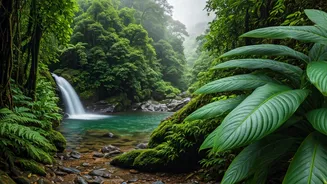
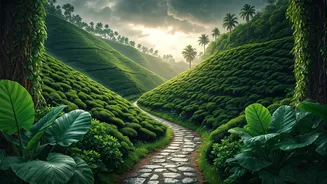
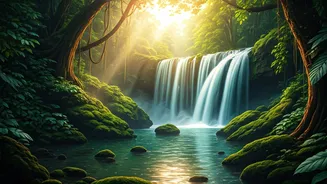
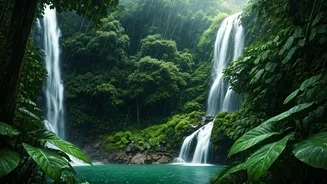
If your travel photos are all about epic landscapes, a monsoon trip to Kerala is a game-changer. The rain supercharges the natural world. The famed tea plantations of Munnar become shrouded in mist, creating an ethereal, almost mystical atmosphere. Waterfalls that are mere trickles in the dry season, like the magnificent Athirappilly Falls (India’s Niagara), become roaring, thunderous torrents of water. The network of canals and lakes that form the Kerala backwaters swell, reflecting the moody, cloud-filled skies. It’s a photographer’s dream and a nature lover’s paradise. This isn’t the muted, dormant scenery of a dry climate; it’s a world that feels intensely, overwhelmingly alive.
An Ancient Prescription for Modern Stress
The monsoon season is also considered the absolute best time to experience one of Kerala’s most famous exports: Ayurveda. This ancient Indian system of holistic medicine and wellness is built around balancing the body and mind. According to Ayurvedic principles, the cool, moist, dust-free atmosphere of the monsoon opens up the body’s pores, making it more receptive to herbal oils and therapeutic treatments. This is the traditional time for 'Karkidaka Chikitsa,' a specific set of rejuvenating therapies designed to detoxify the body and boost immunity for the year ahead. For anyone feeling burnt out by the frantic pace of American life, a week-long Ayurvedic program during the Keralan monsoon is a profound reset button, and it’s more effective—and affordable—during these months.
What to Pack and How to Go
A monsoon trip requires a slight shift in mindset and packing. Forget the flip-flops and tank tops; think quick-drying fabrics, a reliable waterproof jacket, and sturdy, closed-toe shoes with good grip. While you'll get plenty of sunshine, be prepared for sudden showers. Embrace a slower pace; a road journey might take longer, but the views will be worth it. Leeches can be common on jungle or plantation treks, so leech socks are a wise, if unglamorous, investment. The key is to see the rain not as an inconvenience but as part of the main event. Sit on your veranda with a hot cup of chai, read a book, and just listen to the rhythm of the downpour. It’s a meditative experience that a sun-drenched beach holiday simply can’t replicate.