




The Old Weekend Ritual
For generations, the travel rhythm for many in Kolkata was predictable and comforting. A long weekend meant a manageable escape. Families would pile into cars or trains for a few days at the seaside town of Digha or head for the cooler air of the Himalayan
foothills in Darjeeling. These trips were a cherished part of life—short, affordable, and regional. The goal was a brief respite from city life, a familiar routine passed down through the years. An international trip was a once-in-a-decade affair, a major life event reserved for the very wealthy and requiring extensive planning. The default vacation was domestic, defined by proximity and familiarity.
A New Passport-Ready Mindset
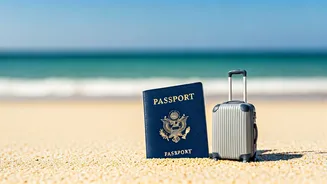
That familiar rhythm has been profoundly disrupted. Today, travel agents in the city report a surge in inquiries and bookings for destinations far beyond West Bengal's borders. The conversation is no longer just about which hill station to visit, but whether Thailand offers better value than Vietnam, or if a visa for Europe is feasible for the fall. This isn't a gradual evolution; it's a step-change. According to Indian travel industry reports, demand for international travel from tier-II cities like Kolkata has exploded, sometimes outpacing the growth seen in larger hubs like Delhi and Mumbai. The short domestic weekend is being replaced by a week-long international jaunt, and the old vacation playbook has been thrown out.
It’s Not Just 'Revenge Travel'
While the global phenomenon of 'revenge travel'—making up for time lost to lockdowns—is certainly a factor, the trend in Kolkata is powered by deeper, more permanent changes. First is the economic engine. A growing middle and upper-middle class has more disposable income than ever before. For many, a trip to Southeast Asia is now as financially accessible as a premium domestic holiday. Second, Kolkata's international airport has significantly improved its connectivity, with more direct and one-stop flights to global hubs. This logistical ease has shrunk the mental distance to foreign lands. Finally, there's the powerful influence of social media. Instagram feeds filled with friends' adventures in Bali or Dubai have transformed international travel from a distant dream into an achievable, and highly desirable, social benchmark.
The New Hot List
So where are they going? The primary beneficiaries of this shift have been the tourism powerhouses of Southeast Asia. Thailand, Vietnam, Malaysia, and Singapore are topping the charts, thanks to a potent mix of affordability, short flight times, and visa-friendly policies. A week-long trip to explore the beaches of Phuket or the street food of Ho Chi Minh City offers a taste of the exotic without the prohibitive cost or jet lag of a trip to the West. At the same time, Dubai remains a perennial favorite for its blend of luxury shopping and family entertainment. And for the more aspirational traveler, Europe is no longer an impossible dream. Tour operators are seeing a marked increase in bookings for multi-country European tours, even if it means saving for a bit longer. The key is that the horizon of possibility has expanded dramatically.
A Bellwether for Broader Change
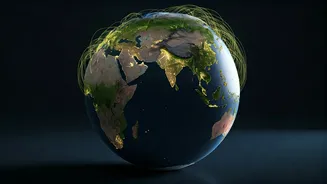
This shift in Kolkata is more than just a travel story; it’s a snapshot of a new, globally-minded India. It signals the economic maturation of the country's major urban centers and the rising aspirations of its citizens. As more Indians gain the financial means and logistical access to explore the world, they are becoming a formidable force in global tourism. Airlines, hotel chains, and entire national tourism boards are recalibrating their strategies to attract this burgeoning market. The weekend traveler from Kolkata deciding between Vietnam and Bali is a small but powerful indicator of a much larger economic and cultural transformation underway across the subcontinent.