





The Allure and the Ambush
Let’s be honest: traveling during the “green season” or monsoon is tempting for a reason. You’re promised fewer crowds, lower prices, and landscapes so vibrant they look photoshopped. Destinations from Southeast Asia to Central America market it as a secret
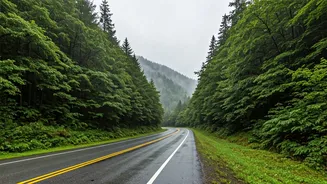
season for savvy travelers. And sometimes, it is. You might get an hour of dramatic, cooling rain in the afternoon followed by a spectacular sunset. But a monsoon is not just “a little rain.” It’s a seasonal weather pattern that can bring torrential, non-stop downpours for days. It means flash floods that wash out the only road to your eco-lodge. It means high seas that keep every ferry and dive boat docked. It means landslides that can shut down entire regions. The romantic notion of sipping tea while watching a storm can quickly curdle into the stressful reality of being stranded with no power, no Wi-Fi, and no way out.
Check Your Ego at the Departure Gate
The most dangerous item you can pack for a monsoon trip is ego. It’s the little voice that says, “I’m a seasoned traveler, I can handle it,” or “A little bad weather won’t stop me.” This mindset is a trap. Mother Nature does not care about your meticulously planned itinerary, your non-refundable reservations, or your determination to get the perfect Instagram shot.
Overconfidence leads to rookie mistakes. It pushes you to book that remote island bungalow with a strict cancellation policy. It convinces you that you can make the four-hour drive between destinations during a weather advisory. Humility, on the other hand, is a superpower. It means accepting that you have zero control over the weather. It means acknowledging that local warnings are there for a reason, not as a challenge. The smartest travelers aren’t the ones who brave the storm; they’re the ones who planned for it so well they’re sipping a cocktail somewhere safe and dry.
The Golden Rule: Make Everything Refundable
If you’re determined to chase the monsoon, your new religion is flexibility. Every major booking you make should have an escape hatch. This is non-negotiable.
For flights, book directly with airlines that offer flexible 24-hour cancellation policies or have clear weather waiver protocols. Avoid budget booking sites where you’re just a number in a call-center queue.
For accommodation, this is critical. Many hotels in seasonal destinations offer tantalizing discounts for pre-paid, non-refundable rates. Ignore them. Opt for the slightly more expensive “pay at property” or “free cancellation until 48 hours before” option. It’s the cheapest insurance you can buy. Booking a hotel you can cancel is better than losing the entire cost of one you can't reach.
For tours and activities, talk to operators before you book. Ask them directly: “What is your policy if the weather makes the tour unsafe or impossible?” Get the answer in writing if you can.
Travel Insurance Isn't Magic
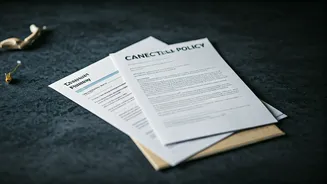
“I have travel insurance” is not the silver bullet many think it is. A standard policy often only covers trip cancellation or interruption for very specific, named perils. A forecast of heavy rain is almost never one of them. Your policy might not kick in unless a formal hurricane warning is issued or an airport is officially closed.
If you want true peace of mind, you need to look for a policy with a “Cancel For Any Reason” (CFAR) upgrade. It’s more expensive, often adding 40-60% to your premium. It also won’t refund 100% of your costs—typically it’s 50-75%. But it allows you to call off your trip for, literally, any reason, whether it’s a terrifying weather forecast, a bad feeling, or simply changing your mind. During a volatile season, CFAR is the only insurance that truly puts the power back in your hands.