



Understanding the Light Deficit
For most common houseplants—from fiddle-leaf figs to monsteras—four hours of direct sunlight is a bare minimum for survival, and six or more is often needed for vigorous growth. Anything less, and you'll likely see the classic signs of a light-starved
plant: 'legginess' (long, weak stems), small or pale new leaves, and a general refusal to thrive. This is because light is food. Through photosynthesis, plants convert light energy into the chemical energy they need to grow. When your home can't provide enough natural light, you simply need to supplement their diet. This is where grow lights stop being a niche piece of equipment for commercial growers and become an essential tool for the everyday plant parent.
Decoding the Tech: What Is 'Full-Spectrum'?
Shopping for a grow light can feel like you need an engineering degree. You'll see terms like lumens, PAR, and Kelvin. But for the average home, the most important term to know is 'full-spectrum.' Natural sunlight contains a full range of color wavelengths, each serving a different purpose for plant development. A full-spectrum light aims to replicate this. While older fluorescent tubes often emitted a harsh, purplish glow (a mix of blue light for foliage growth and red light for flowering), modern full-spectrum LED lights produce a clean, natural-looking white light that’s pleasant in a living space. They deliver all the wavelengths your plants need without turning your living room into a sci-fi movie set. When in doubt, choosing a 'full-spectrum' LED is the simplest and most effective starting point.
Choosing Your Fixture
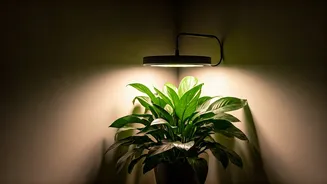
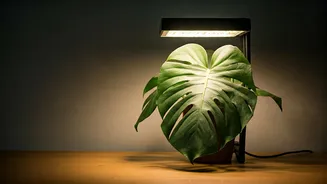
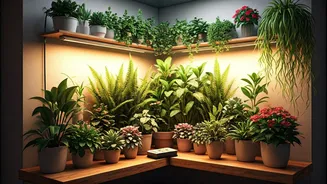
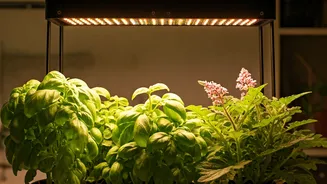
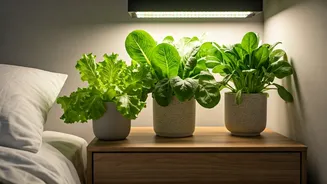
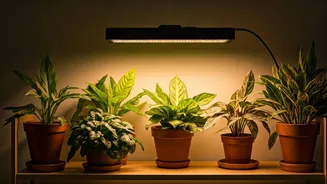
Today’s grow lights are designed to blend into your home. The most popular options for houseplant enthusiasts are simple screw-in bulbs and integrated fixtures. A standard E26-base grow bulb can be screwed into any desk lamp, floor lamp, or clamp light, instantly turning a piece of your existing decor into a plant-support system. This is the most affordable and flexible option. For a more dedicated setup, you can find sleek, minimalist fixtures like pendant lights that hang over a specific plant or small LED bars that can be discreetly mounted under a shelf to illuminate a collection of smaller pots. Forget the clunky, industrial-looking shop lights of the past; modern designs prioritize aesthetics as much as performance.
Putting It All to Work
Once you have your light, a few best practices will ensure success. First, consider distance. A good rule of thumb is to place the light 6 to 12 inches away from your plant. LEDs run much cooler than older lights, so you have little risk of scorching the leaves, but they are most effective at close range. If the light feels uncomfortably hot on the back of your hand at plant-level, it's too close. Second, timing is everything. Plants need a period of darkness to rest, just like we do. Aim to run your grow light for 12 to 16 hours a day. The easiest way to manage this is with a simple outlet timer, which costs less than ten dollars and automates the entire process. Set it and forget it—your plants will get the consistent 'daylight' they need to flourish.