
The Great Gray Fatigue
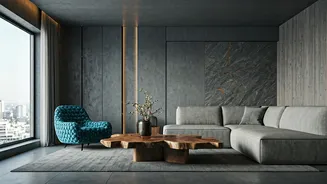
To understand why beige is back, you first have to understand what we're all tired of: gray. The cool, crisp grays that dominated the 2010s—often paired with chevron patterns and pops of millennial pink—became a ubiquitous design uniform. From flipped
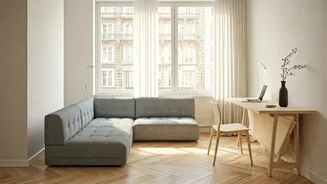
houses on HGTV to modern farmhouse aesthetics, gray was the go-to neutral. But its reign created a sea of sameness. The cool undertones, while initially feeling clean and modern, began to feel sterile, cold, and impersonal, especially as people spent more time at home. The pendulum was bound to swing, and it swung decisively toward warmth. Beige, with its earthy, sun-drenched undertones, offers the perfect antidote to a decade of cool detachment.
This Isn't Your Grandmother's Beige
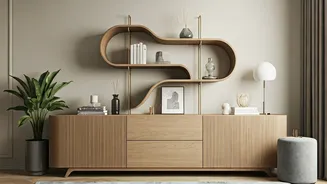
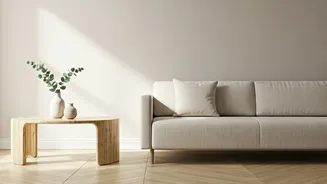
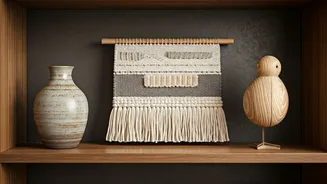
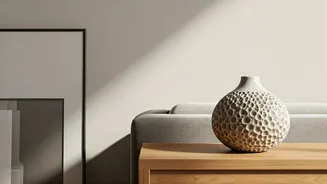
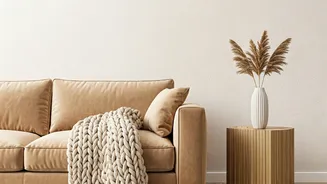
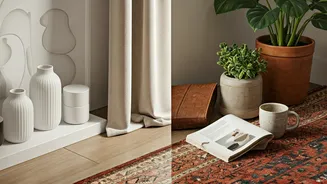
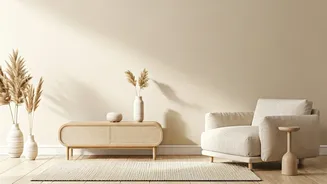
The key to this comeback is that the new beige is nothing like its flat, one-dimensional predecessor. Today’s sophisticated palettes are not about a single color but a rich, layered experience. Designers are using a spectrum of warm neutrals—from creamy oat and sandy taupe to earthy mushroom and warm greige. The magic is in the texture. Think of a nubby bouclé armchair, a rough-hewn travertine coffee table, a soft linen sofa, and curtains that filter light beautifully. This isn’t a flat coat of “builder’s beige” paint on a wall; it's a complex, tactile symphony where wood grains, woven fabrics, and natural stones all play a part. This layering creates visual interest and depth, making a neutral room feel anything but boring.
A Search for Sanctuary
The return to beige is deeply psychological. In an overstimulated, digitally saturated world, our homes have become our primary sanctuaries. We’re craving spaces that feel calm, grounding, and restorative. Beige and its fellow earthy tones are inherently soothing. They connect us to the natural world—the color of sand, stone, and unprocessed fibers—which has a proven calming effect. A beige room doesn’t shout for attention. Instead, it offers a quiet backdrop for life, a serene canvas that reduces visual noise and promotes a sense of peace. This shift reflects a collective desire to dial down the chaos and create personal havens that nurture our well-being.
The 'Quiet Luxury' Effect
The beige revival runs parallel to the “quiet luxury” trend sweeping fashion and culture. It’s a move away from flashy logos and overt displays of wealth toward an appreciation for quality, craftsmanship, and timelessness. A sophisticated beige interior embodies this ethos perfectly. It communicates taste and elegance through subtlety—the quality of the materials, the thoughtful composition, and the serene atmosphere. It’s a look that feels expensive without being ostentatious. Instead of relying on a bold, trend-driven color to make a statement, the statement comes from the inherent quality and harmony of the space itself. This makes beige the unofficial uniform of understated confidence in modern design.
A Versatile and Timeless Foundation
Ultimately, designers and homeowners are rediscovering beige’s greatest strength: its incredible versatility. Unlike a dominant color that dictates the rest of your decor, a warm neutral palette provides a flexible and timeless foundation. It works beautifully with a wide range of styles, from minimalist and Scandinavian to organic modern and transitional. It’s the perfect backdrop to showcase art, unique furniture pieces, or a collection of personal objects. And because it's so timeless, it won't feel dated in five years. You can easily update the look with new pillows, throws, or accent pieces, but the serene and sophisticated bones of the room remain.