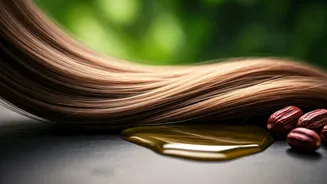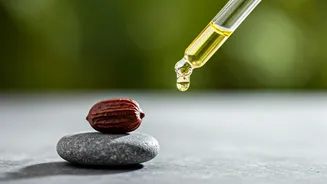







What Exactly Is Jojoba Oil?
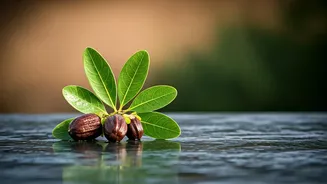
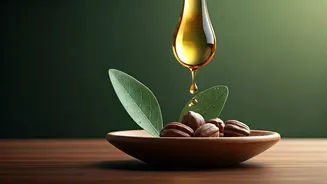
First, a quick correction: jojoba (pronounced ho-HO-ba) oil isn't technically an oil. It's a liquid wax ester extracted from the seeds of the Simmondsia chinensis plant, a shrub native to the deserts of Arizona, California, and Mexico. This distinction
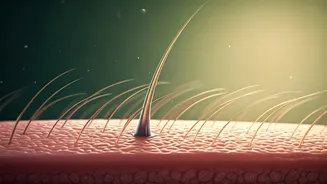
is crucial because its molecular structure is remarkably similar to sebum, the natural oil produced by our own skin and scalp. While other popular oils like coconut or olive can be fantastic, their composition is fundamentally different. Jojoba’s sebum-like quality allows it to mimic the scalp's natural moisturization process, making it uniquely compatible with our hair and skin.
The Science Behind the Shine
So, why is this sebum similarity such a big deal? It’s the key to jojoba’s main benefits. Because it so closely resembles our scalp's natural oils, jojoba can provide moisture without disrupting the scalp’s delicate balance. For people with dry scalps, it adds much-needed hydration. For those with oily scalps, it can surprisingly help regulate oil production, as it signals to your follicles that they've produced enough sebum, preventing that greasy feeling. Beyond moisturizing, jojoba oil is rich in nutrients. It contains vitamins E and B-complex, as well as minerals like copper and zinc. These components are vital for hair health. Vitamin E is a powerful antioxidant that helps combat oxidative stress, while the other nutrients work to strengthen the hair shaft. Stronger hair is less prone to breakage and split ends, which contributes to the appearance of longer, healthier hair over time.
How to Add Jojoba to Your Routine
Integrating jojoba oil is simple, and you can tailor the application to your hair’s specific needs. Here are a few easy methods: 1. **Scalp Treatment:** Before washing your hair, massage a tablespoon of jojoba oil directly into your scalp. Let it sit for 20-30 minutes to help dissolve built-up sebum, loosen flakes, and moisturize the skin. Then, shampoo and condition as usual. 2. **Frizz Tamer & Sealant:** After styling, rub just one or two drops between your palms and lightly smooth over the ends of your hair. This helps seal the cuticle, lock in moisture, and tame flyaways without weighing your hair down. 3. **Conditioner Boost:** Add a few drops of jojoba oil to your favorite conditioner in the palm of your hand before applying. This enhances its moisturizing and strengthening properties, giving you an extra dose of nourishment with minimal effort. 4. **Hot Oil Treatment:** For a deep conditioning session, gently warm up a few tablespoons of jojoba oil (be careful not to make it too hot). Apply it to your scalp and work it down through your hair. Cover with a shower cap and let it penetrate for at least 30 minutes before shampooing out.
Choosing the Right Product
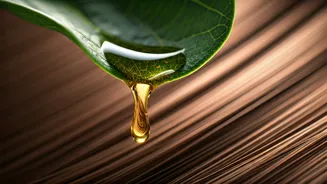
Not all jojoba oils are created equal. To get the most benefit, look for a product that is 100% pure, cold-pressed, and unrefined. Cold-pressing ensures that the oil's delicate nutrients are not destroyed by heat during the extraction process. An unrefined or “golden” jojoba oil retains its natural color and scent, signaling that its beneficial compounds are intact. Avoid products with added fragrances, fillers, or silicones, which can irritate the scalp or negate the oil’s natural benefits.
A Few Things to Keep in Mind
While jojoba oil is generally well-tolerated, it’s always wise to perform a patch test on a small area of skin before applying it liberally, especially if you have sensitive skin or allergies. Also, remember that a little goes a long way. Using too much can leave your hair looking greasy rather than glossy. Start with a few drops and add more only if needed. Finally, it’s important to have realistic expectations. Jojoba oil is a fantastic tool for improving hair health, moisture, and strength, but it is not a medically proven cure for conditions like androgenetic alopecia (pattern baldness).