






First, What Is This 'FSSAI Alert'?
Let's clear one thing up: this isn't a recall for contaminated products. You don't need to raid your pantry. The 'alert' is a new directive from the Food Safety and Standards Authority of India (FSSAI), which is essentially India’s equivalent of the U.S.
Food and Drug Administration (FDA). In late 2023, the FSSAI cracked down on a widespread and misleading practice in the beverage industry. For years, many companies sold products labeled as '100% Juice' even when they contained significant amounts of added sugar, often because the juice was reconstituted from concentrate. The FSSAI has now put its foot down, declaring that any product marketed as '100% fruit juice' must be just that—free of any added sweeteners. The move is less of a five-alarm fire and more of a long-overdue reckoning with labeling transparency, aimed at giving consumers a clearer picture of what they’re actually drinking.
Juice vs. Nectar: The Sugary Difference
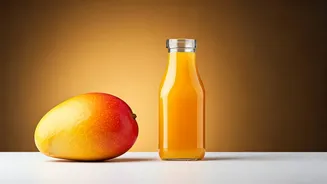
So what’s the big deal? It all comes down to definitions. Under the new FSSAI rules, the word 'juice' on a label now carries significant weight. If a product is labeled 'mango juice,' it must be pure, unadulterated juice extracted from the fruit. If water is added to a fruit concentrate to bring it back to its original consistency, and no sugar is added, it can be called 'reconstituted juice.' But the moment a manufacturer adds sugar, syrups, or sweeteners, the game changes. The product can no longer be called juice. Instead, it must be labeled as 'nectar' if it contains a certain minimum percentage of fruit pulp (which varies by fruit) or simply a 'fruit drink' if the fruit content is lower. This distinction makes a casual grocery run a bit more of a deliberate act. Consumers can no longer assume 'juice' is just juice; they're being trained to check if they're buying the pure stuff or a sweetened beverage in disguise.
A Crackdown on 'Health-Washing'
This move by the FSSAI isn't happening in a vacuum. It's part of a global pushback against 'health-washing'—the marketing practice of making a product seem healthier than it actually is. For decades, fruit juice has been marketed as a wholesome, natural choice, a liquid equivalent of biting into a fresh piece of fruit. But many commercial juices are closer to sodas in their sugar content, contributing to public health issues. By forcing companies to drop the '100% juice' claim from their sugary drinks, the FSSAI is tackling this perception head-on. It's a regulatory nudge designed to disrupt the consumer's autopilot. When a familiar carton of 'mango juice' suddenly appears on the shelf as 'mango nectar' or 'sweetened mango juice,' it forces a moment of consideration. This is the same battle public health advocates in the U.S. and Europe are fighting, with debates over soda taxes, front-of-package nutrition warnings, and regulations on marketing to children.
Why This Matters Beyond India's Borders
You might be thinking, 'Interesting, but I live in Ohio.' Well, this still matters. India is the world's largest producer of mangoes, and its processed food products, including juices and purees, are exported globally. You've likely seen brands like Frooti or Maaza in the international section of your local supermarket. While this FSSAI rule applies specifically to products sold within India, it signals a major shift in standards for one of the world's biggest food markets. Global brands that operate in India, like PepsiCo (which owns Tropicana) and Coca-Cola (which owns Maaza in India), now have to comply. This can create a ripple effect. As standards for transparency and quality rise in a major market like India, it often influences manufacturing practices for export products as well. It’s a reminder that our food system is deeply interconnected, and a regulatory change halfway across the world can quietly raise the bar for what ends up in your shopping cart.