




The Pressure Cooker of Urban India
For millions in Delhi, one of the world's most populous urban areas, food inflation isn't an abstract economic indicator—it's a daily calculation. Prices for fresh vegetables like tomatoes and onions can swing wildly, subject to unpredictable weather,
long and inefficient supply chains, and fuel costs. A poor monsoon season hundreds of miles away can mean doubling what you pay for pantry staples. This volatility hits urban households the hardest, where every square foot is precious and a personal garden is a distant dream. This constant economic pressure, combined with concerns over pesticide use and food quality, has created a perfect environment for radical new ideas about where our food comes from.
The Vertical Solution Takes Root
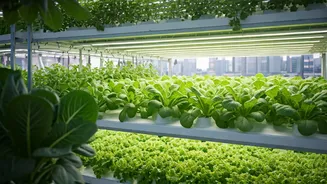
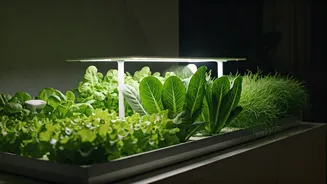
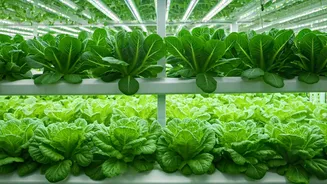
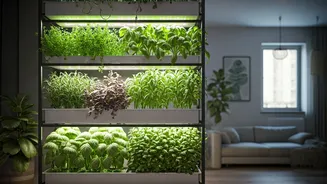
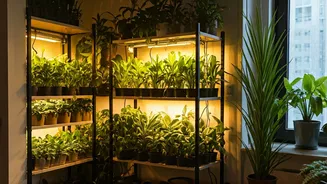
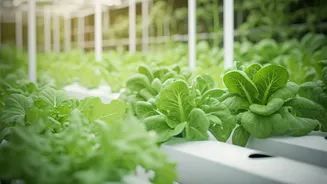
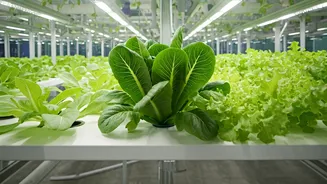
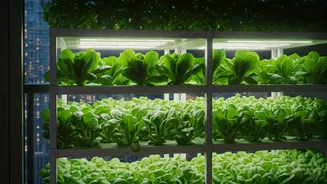
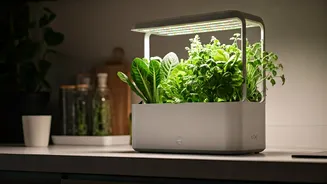
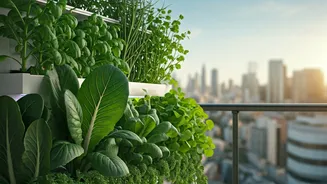
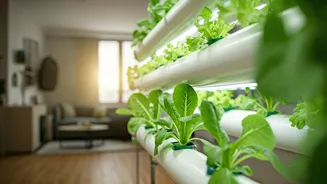
Enter smart vertical farming. This isn’t your grandmother’s vegetable patch. It’s a high-tech method of growing crops in vertically stacked layers, often indoors or on rooftops, without a single speck of soil. Using hydroponic or aeroponic systems, plants receive nutrient-rich water directly to their roots. The “smart” component comes from technology that optimizes the process: IoT sensors monitor water acidity and nutrient levels, automated LED lights mimic perfect sunlight, and climate controls maintain ideal growing conditions 24/7. The result is a system that uses up to 95% less water than traditional agriculture, yields crops year-round regardless of outside weather, and can be installed in surprisingly small footprints—like the unused roof of a city apartment building.
From Barren Rooftop to Bustling Market
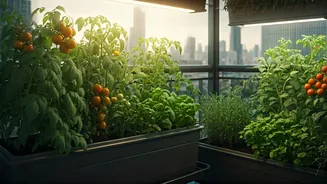
Across Delhi and its satellite cities, this technology is being put into practice. Startups partner with Resident Welfare Associations (RWAs)—the equivalent of a U.S. homeowners' association—to convert barren rooftops into productive micro-farms. In one model, a company sets up and manages the farm, offering the building's residents first-dibs on the harvest at a fixed, discounted price. Residents can subscribe to a weekly box of lettuce, kale, basil, and other produce that is harvested just hours—or minutes—before they receive it. It’s a win-win: the startup gets a direct-to-consumer market, and residents get hyper-local, pesticide-free produce that isn’t subject to the whims of the open market.
More Than Just Cheaper Groceries
While the headline promise is “outsmarting inflation,” the real impact is more about resilience and control. By subscribing to a rooftop farm, residents aren’t just saving a few rupees on a head of lettuce; they are insulating themselves from the price shocks and quality concerns plaguing the traditional food system. The price is predictable, the supply is stable, and the quality is unparalleled. They know exactly where their food is coming from—not a farm hundreds of miles away, but from a few floors above their head. This creates a powerful sense of food security that goes beyond the sticker price. It's a buffer against a chaotic world, providing clean, fresh food in the heart of a concrete jungle.