







Reversing the Great Migration South
For generations, the narrative was fixed. Americans, chasing jobs, lower taxes, and endless sunshine, packed their bags and headed south and west. The Northeast, with its cold winters and high cost of living, was seen as a region people left, not one
they flocked to. But recent data suggests this long-standing trend is beginning to fracture. According to studies from major moving companies and analyses of census data, several Northeastern states are now among the top destinations for inbound moves. Vermont, for instance, has consistently ranked as a top state for new residents. Other states like Maine, New Hampshire, and even parts of Pennsylvania are seeing a net influx of people for the first time in years. While this doesn't mean New York City has suddenly become cheap or that Boston has stopped seeing residents decamp for Florida, it signals a significant shift in regional desirability that was unthinkable just a decade ago.
The Climate Change Calculation
A major driver of this renewed interest is something that wasn't on most movers' checklists before: climate resilience. As the Sun Belt and West Coast grapple with increasingly extreme heat, wildfires, droughts, and powerful hurricanes, the Northeast’s comparatively mild summers and predictable four seasons have become a powerful selling point. The concept of "climate migration" is no longer theoretical. People are actively seeking refuge from scorching 110-degree temperatures in Arizona or the ever-present threat of fire season in California. The Northeast, while not immune to climate change, offers a perceived stability. Its ample water supply, green landscapes, and less intense summer heat are turning a historical disadvantage—its cooler climate—into a modern-day asset for Americans planning for the next 30 years, not just the next 3.
Redefining Quality of Life
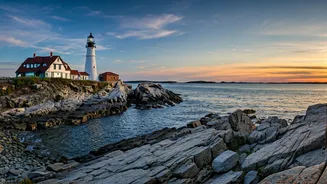
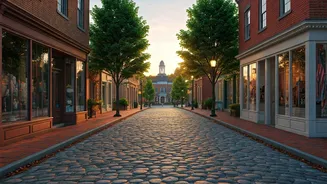
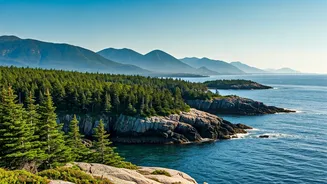
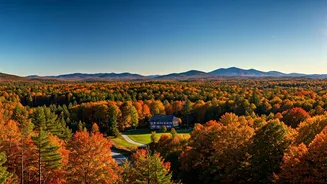
The pandemic acted as a massive catalyst, forcing a national re-evaluation of what constitutes a “good life.” For many, the answer was no longer a bustling metropolis but something smaller, safer, and more connected to nature. The Northeast is rich with these kinds of places. Its landscape is dotted with historic small towns, vibrant mid-sized cities, and endless opportunities for outdoor recreation—from the mountains of Vermont to the coast of Maine. These communities offer a different pace of life, one centered on farmers' markets, local festivals, and tight-knit social fabric. After years of prioritizing career-centric urban living, a growing number of Americans are choosing to prioritize lifestyle, and they're finding that the Northeast’s blend of culture, history, and natural beauty offers exactly the balance they’re seeking.
The Remote Work Revolution
None of this would be possible on such a scale without the widespread adoption of remote work. The freedom to work from anywhere untethered workers from the country’s most expensive coastal hubs. Suddenly, a software engineer living in a cramped San Francisco apartment could do the same job from a farmhouse in rural Connecticut—with a lower cost of living and a bigger backyard. This has been a game-changer for the Northeast, whose scenic but less economically dynamic areas were often overlooked. Now, high-earning professionals can bring their jobs with them, injecting new life and capital into smaller communities. This isn't just about escaping the city; it’s about having the economic freedom to choose a place based on its intrinsic appeal rather than its proximity to a corporate headquarters.