





The Journey from Temple to Landfill
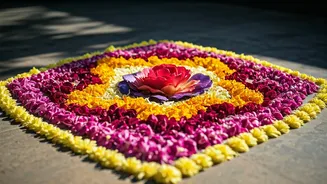
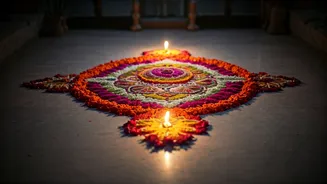
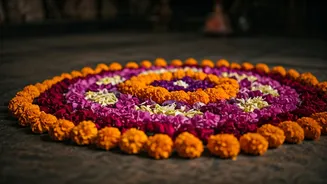
In many cultures, particularly within Hindu traditions, flowers are a vital part of worship. Bright orange and yellow marigolds, symbolizing the sun’s energy and new beginnings, are offered by the thousands in temples every day. But what happens after
the prayers are over? Historically, these sacred offerings, along with floral arrangements from large weddings and festivals, would end up in the trash. When collected in massive quantities, this organic matter often heads to landfills, where it decomposes without oxygen and releases methane, a potent greenhouse gas. In other cases, it’s discarded in rivers and lakes, where the sheer volume can disrupt aquatic ecosystems by depleting oxygen levels as the flowers decay.
An Upcycling Revolution Blooms
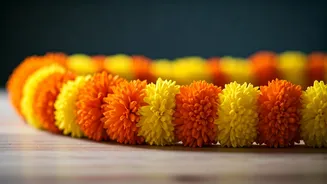
A growing movement of social entrepreneurs, artists, and environmentalists is offering a beautiful solution: floral upcycling. Instead of treating these flowers as waste, they see them as a valuable resource. The concept, which gained significant traction in India, is now inspiring similar initiatives in U.S. communities. The process begins with collecting the discarded flowers from temples, event venues, and florists. The petals are then separated, cleaned, and often naturally dried. While some are converted into powders for textile dyes, incense, or organic fertilizer, many of the most vibrant and intact blossoms are set aside for a more hands-on, creative purpose: making garlands.
Inside a Marigold Workshop
Stepping into one of these workshops is an immersive sensory experience. The air is thick with the sweet, earthy scent of marigolds. Piles of radiant orange and yellow petals await transformation. Guided by an instructor, participants learn the simple, meditative art of stringing these flowers into decorative garlands. Using a long needle and sturdy thread, attendees carefully piece together their creations, choosing patterns and densities to make a piece that is uniquely theirs. It’s a communal, relaxed atmosphere. People chat, share stories, and focus on the tactile process of crafting. You don’t need to be an expert artist; the beauty of the flowers does most of the work. The focus is on participation, mindfulness, and the shared goal of creating beauty from what was once considered refuse.
More Than Just a Pretty Garland
The appeal of these workshops goes far beyond simple DIY crafting. For many, it’s a powerful act of environmental stewardship. By participating, you are directly helping to divert waste from landfills and waterways. There is also a deep cultural resonance. The workshops provide a tangible connection to traditions, allowing participants to engage with a sacred symbol—the marigold—in a new, sustainable context. It’s a way of honoring the flower’s entire lifecycle. Furthermore, many of these initiatives operate as social enterprises, providing employment opportunities for marginalized communities or donating proceeds to environmental causes. The finished garland isn't just a decoration; it’s a story of renewal, community, and conscious living.
Finding Your Floral Connection
As this trend grows, workshops are popping up at community art centers, cultural organizations, and eco-festivals. To find one near you, try searching online for terms like “floral upcycling workshop,” “sustainable craft night,” or “marigold garland class” in your city. Local botanical gardens or Hindu cultural centers may also host or have information on similar events. If you can’t find a formal workshop, you can embrace the spirit of the movement at home. After your next bouquet starts to wilt, don’t toss it. Salvage the petals that are still in good shape, let them air-dry for a few days, and try stringing your own small garland. It’s a small but meaningful way to practice sustainability and find beauty in unexpected places.