





Welcome to Coorg, India’s Scotland
First, let's get you oriented. If you haven't heard of Coorg, you're not alone, but it's a destination that should be on every nature lover’s radar. Officially known as Kodagu, this district in the southern Indian state of Karnataka is nicknamed the “Scotland
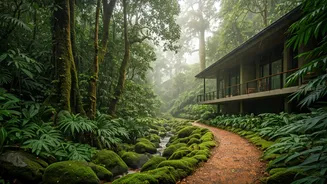
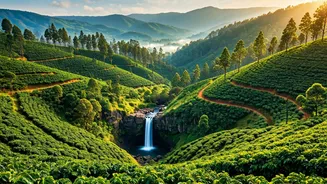
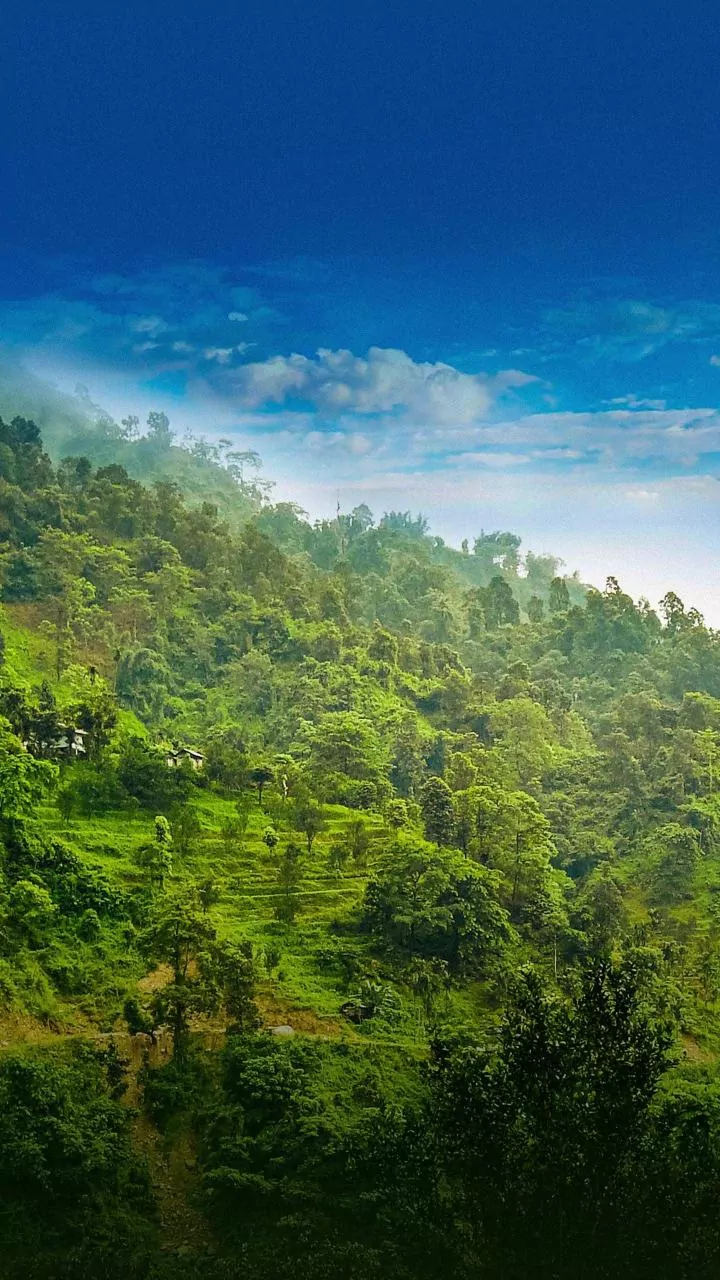
of India” for its rolling green hills, cool climate, and ethereal morning mist. It’s a land of sprawling coffee and spice plantations, thundering waterfalls, and dense forests. For decades, it has been a popular escape for wealthy Indians seeking refuge from the city heat, leading to the rise of some truly spectacular, and spectacularly expensive, resorts.
The Sticker Shock of Paradise
Let’s be clear about what “ultra luxury” in Coorg means. We’re talking about world-class properties like Evolve Back, The Tamara Coorg, and Taj Madikeri. These aren’t just hotels; they are sprawling estates where villas come with private pools, jacuzzis, and dedicated butlers. A single night during peak season (from October to May) can easily run from $500 to over $1,000. For a budget backpacker subsisting on a diet of hostel dorms and street food, these places might as well be on another planet. The online photos are pure aspirational torture. But here’s the secret: the planet they're on has a rainy season.
The Backpacker’s Secret Weapon: The Monsoon
The key to unlocking Coorg’s luxury is timing. The peak tourist season avoids the rain, but for the strategic traveler, the monsoon (roughly June through September) is a golden opportunity. During these months, the region experiences heavy, persistent rainfall. While this might deter the average tourist, it transforms Coorg into a lush, vibrant, and dramatic landscape. The waterfalls are at their most powerful, and the greenery is almost electric. More importantly for our purposes, tourist numbers plummet. And when occupancy drops, so do prices—dramatically. Resorts that are inaccessible during the dry season suddenly slash their rates by 40%, 50%, or even more to fill rooms.
How to Actually Find These Deals
So, how do you snag a deal that makes this splurge possible? First, embrace the off-season. Plan your trip for July or August. Second, book directly. While booking sites are useful for comparison, hotels often offer their best packages—like including meals or a spa treatment—to customers who book on their own websites. Sign up for their newsletters and follow their social media accounts a few months ahead of your trip. Third, be flexible. Mid-week stays are almost always cheaper than weekends. Finally, don't be afraid to call the property. A friendly conversation can sometimes reveal unadvertised deals or a willingness to offer a better rate, especially for a multi-night stay.
Redefining the 'Backpacker Budget'
Let's manage expectations. Even at a 50% discount, a $600-a-night villa becomes a $300-a-night villa. That’s still a massive leap from a $15 hostel bed. The trick is to reframe this not as your new travel standard, but as a strategic, one-or-two-night 'flashpacker' splurge. Think of it this way: you can spend two weeks trekking through India on a shoestring budget, and then cap it off with 48 hours of pure, unadulterated luxury. You’re trading a week’s worth of your budget for an experience you’ll talk about for years. It’s about experiencing the pinnacle of Indian hospitality in a breathtaking location, made possible by the simple, predictable magic of the monsoon.