




More Than Just Water
So, what exactly makes a drink ‘functional’? At its core, a functional beverage is any non-alcoholic drink formulated with ingredients that claim to provide a specific health benefit beyond basic nutrition. Think of it as the difference between a plain
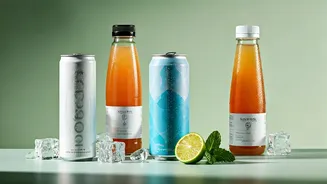
seltzer and a seltzer infused with L-theanine to ‘promote focus’ or ashwagandha to ‘manage stress.’ They’re not your grandpa’s Gatorade, which was designed for a single purpose: replacing electrolytes after intense exercise. Today’s functional drinks are aimed at optimizing everyday life. They’re selling a solution to a modern problem—the feeling that we should always be doing more, even when we’re just taking a sip. This category includes everything from sparkling waters with probiotics to canned mushroom teas with adaptogens, all targeting the consumer who wants their beverage to work as hard as they do.
The Optimized Self, in a Can
The rise of functional drinks is a perfect reflection of our cultural moment. We live in an era of ‘bio-hacking’ and personal optimization, where every aspect of our lives—from our sleep schedule to our diet—is a potential area for improvement. The same impulse that has us tracking our steps and monitoring our REM cycles is now influencing what we drink. Why simply hydrate when you can hydrate *and* boost your brainpower? Why just have a soda when you could be sipping something that supports your immune system? These beverages tap directly into the desire for efficiency. They offer a convenient, low-effort way to feel proactive about wellness. In a world of endless to-do lists, cracking open a can that promises ‘calm’ or ‘clarity’ feels like a small, manageable act of self-care and a productive step toward being a better version of yourself.
Decoding the Ingredient List
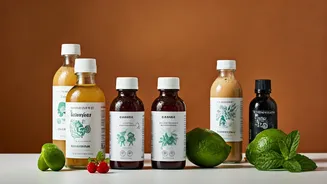
Staring at the ingredient list can feel like reading a foreign language. Let’s break down the big players. First, you have **adaptogens**, like ashwagandha and rhodiola, which are herbs and mushrooms purported to help your body handle stress. Next are **nootropics**, often called ‘smart drugs’ or cognitive enhancers. Ingredients like L-theanine (found in green tea) and lion’s mane mushroom are added to drinks to supposedly improve focus, memory, and creativity. Then there are **probiotics and prebiotics**, which aim to support gut health, an area of wellness that has gained massive attention. Finally, you’ll see amped-up vitamins, minerals, and next-generation electrolytes that promise superior hydration or an immune boost. Each ingredient is carefully chosen to align with a specific, desirable outcome, turning the beverage aisle into a pharmacy of lifestyle solutions.
Do They Actually Work?
This is the billion-dollar question. The answer is complicated: it’s a mix of some science, smart marketing, and the power of placebo. Many popular ingredients, like L-theanine and caffeine, have been studied and are known to affect alertness. Some studies on adaptogens show potential for stress reduction, but the research is often preliminary. The biggest caveat is dosage and consistency. The amount of an active ingredient in a single can might be far less than the amount used in a clinical study. Furthermore, many of the broader claims—like ‘balancing your qi’ or creating ‘a state of flow’—are not scientifically measurable. While you might genuinely feel calmer or more focused after drinking one, it’s hard to disentangle the active ingredients from the psychological effect of having spent $4 on a drink that told you it would make you feel that way. For most people, a balanced diet, good sleep, and regular exercise will have a far greater impact than any single beverage.