





The End of the Endless Menu
For decades, the American dining dream was defined by choice. Think of the classic diner or a chain like The Cheesecake Factory, where the menu arrives with a reassuring thud, its laminated pages packed with dozens, if not hundreds, of items. It was a promise
that anyone, no matter how picky, could find something to eat. But that philosophy is fading. Across the country, from fast-casual spots to upscale eateries, a new mantra is taking hold: do less, but do it better. Menus are being trimmed, focused, and curated. This isn't just a post-pandemic cost-cutting measure, though that’s part of the story. It’s a strategic response to the preferences of the most influential new group of consumers: Generation Z.
Why 'Sharper' Is the Key Word
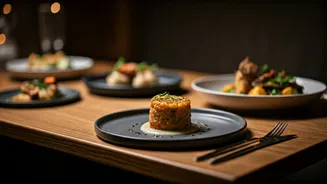
A smaller menu isn’t just about having fewer options; it’s about having the *right* options. The “sharper” part of the headline is crucial. It signifies a move toward a strong brand identity. A restaurant with a 10-item menu is making a confident statement: “This is what we do, and we are experts at it.” This resonates powerfully with Gen Z, a generation that values authenticity and expertise over generic, people-pleasing mediocrity. A sprawling menu can signal a lack of focus, a kitchen stretched too thin, and a high probability of frozen, pre-made ingredients. A tight, focused menu, on the other hand, suggests fresh ingredients, mastery of craft, and a clear point of view. It’s the difference between a brand that shouts about everything and one that speaks clearly about the one thing it does best.
The Psychology of a Gen Z Diner
Gen Z grew up in a world of infinite digital choice, and it has left them with a severe case of decision fatigue. They are bombarded with options on Netflix, Spotify, and Amazon. When they go out to eat, the last thing they want is another overwhelming catalog to parse. A shorter menu provides relief. It’s easier to scan, quicker to decide, and less likely to induce “fear of missing out” on a better choice. Furthermore, as digital natives, their dining discovery process starts on platforms like TikTok and Instagram, not at the front door. They’ve often seen the one viral dish a restaurant is famous for and have already decided what they want before they even sit down. A menu that highlights that signature item, rather than burying it among 50 other choices, aligns perfectly with their digitally-driven behavior.
It’s Just Good Business, Too
While Gen Z’s preferences are a major catalyst, restaurants have plenty of their own reasons to love the smaller menu. Operationally, it’s a game-changer. Fewer items mean less food waste, as inventory is more predictable and easier to manage. It simplifies supply chains, a huge advantage in an era of logistical headaches. For the kitchen staff, it streamlines everything. Training new cooks is faster, and the team can achieve a higher level of consistency and quality when they only have to master a dozen dishes instead of fifty. This efficiency translates directly to the bottom line, reducing costs and often improving speed of service. In essence, the trend toward smaller menus is a rare win-win, where consumer desires and business pragmatism align perfectly.
The Future Is Curated and Customizable
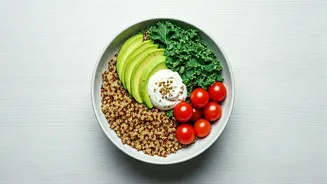
This doesn't mean the death of personalization. In fact, the smartest “small menu” concepts build customization into their focused offerings. Think of the Chipotle model, but applied everywhere: a small number of core proteins or bases with a wide array of toppings, sauces, and add-ons. This approach gives Gen Z the best of both worlds—the simplicity of a core choice combined with the freedom to make a dish their own. It also makes for more visually interesting, shareable food, which is currency in the social media age. The future of the menu is likely a single, well-designed page or a clean QR code link that presents a restaurant’s greatest hits, not its entire back catalog, with plenty of room for diners to put their own spin on the classics.