



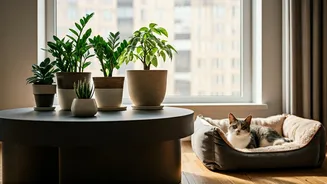


The Official Verdict: Safe for Pets
Let’s get the most important question out of the way first: are spider plants (*Chlorophytum comosum*) actually safe for cats and dogs? The answer is a resounding yes. The American Society for the Prevention of Cruelty to Animals (ASPCA), the gold standard
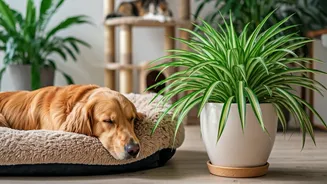
for pet safety information, lists the spider plant as non-toxic to both cats and dogs. This means that if your curious cat or playful pup decides to nibble on a leaf, you don’t have to panic. Unlike many common houseplants such as lilies, tulips, or sago palms, spider plants do not contain compounds that will cause serious poisoning or organ damage. This fact alone makes them a top-tier choice for any home shared with four-legged family members.
So, Why Are Pets So Obsessed?
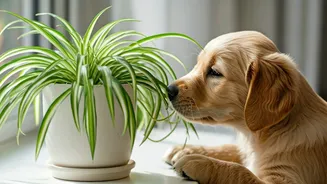
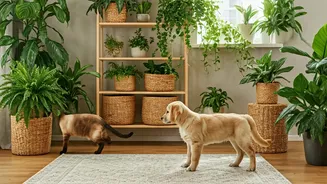
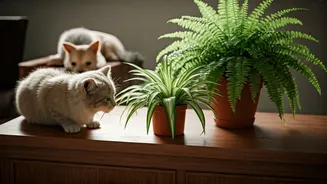
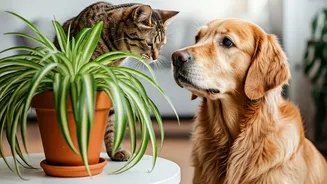
If you already have a spider plant, you may have noticed it’s a magnet for your pets, especially cats. There are a couple of reasons for this. First, the plant's very nature is enticing. Its long, dangling leaves and the little “spiderettes” that cascade over the side of the pot mimic a toy, triggering a cat’s natural instinct to bat and play. For a bored pet, a spider plant can look like an interactive plaything conveniently placed for their amusement.
Second, and more interestingly, spider plants contain chemical compounds that can have a mild, catnip-like effect on some felines. While much less intense than actual catnip, this can make the plant mildly euphoric and particularly attractive to your cat, encouraging them to return for another sniff or chew. It’s this gentle allure, combined with the playful foliage, that often makes it a pet’s favorite.
A Note on 'Too Much of a Good Thing'
While spider plants are non-toxic, that doesn't mean they should become a primary food source for your pet. Think of it like this: lettuce is safe for humans, but eating an entire head of iceberg in one sitting would likely lead to some digestive discomfort. The same principle applies here. If a dog or cat ingests a large amount of spider plant foliage, the fibrous material can cause mild gastrointestinal upset, such as vomiting or diarrhea. This is simply the body's reaction to processing an unusual amount of plant matter, not a sign of poisoning. So, while you don't need to fear for their life if they take a bite, it’s wise to prevent your pet from turning your spider plant into an all-you-can-eat salad bar.
Tips for a Harmonious Home
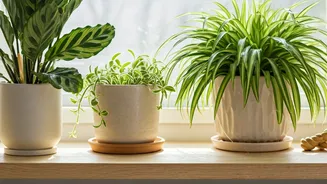
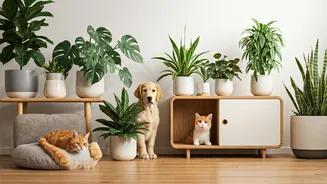
The goal is for everyone—you, your plants, and your pets—to coexist peacefully. To keep your spider plant looking its best and prevent your pet from overindulging, a little strategic placement goes a long way. The easiest solution is to take advantage of the spider plant’s cascading nature by placing it in a hanging basket. This keeps the tempting leaves out of easy reach of most dogs and many cats, while allowing the plant to be displayed beautifully.
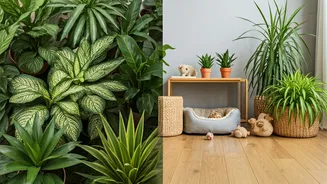
Alternatively, placing the plant on a high shelf, a sturdy plant stand, or in a room where your pets don’t have unsupervised access can also work well. You might also try providing more appealing distractions, like a dedicated pot of cat grass (which is typically a mix of oat, rye, or wheat grass) to give them a safe and approved plant to chew on. This can redirect their natural grazing instincts away from your decorative greenery.
Basic Spider Plant Care
Part of what makes spider plants so perfect for busy pet owners is that they are incredibly low-maintenance. They thrive in a wide range of conditions and are quite forgiving of occasional neglect. For a happy plant, place it in a spot with bright, indirect sunlight. Direct sun can scorch the leaves. Water it thoroughly when the top inch or two of soil feels dry, but be careful not to let it sit in a soggy saucer. Spider plants are also known for being powerful air purifiers, removing toxins like formaldehyde and xylene from the environment. So, not only is it safe for your pets, but it’s also actively making your home’s air cleaner for everyone.