






From Skin to Scalp: The 'Skinification' of Hair
Walk down the beauty aisle, and you’ll notice something new. Hair products are starting to sound a lot like your favorite face serums. You'll see words like 'hyaluronic acid,' 'niacinamide,' and 'salicylic acid' on shampoo and scalp-treatment bottles.
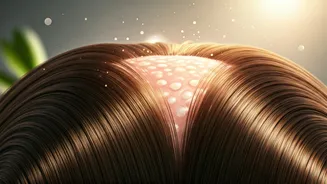
This is the 'skinification' of hair: the growing trend of treating your scalp with the same targeted, ingredient-focused care you give your face. The logic is simple but revolutionary for the hair industry: your scalp is skin. It has pores, produces sebum, and serves as the living foundation from which your hair grows. For decades, haircare focused on the cosmetic appearance of the hair shaft itself—masking damage with silicones or adding temporary volume. Skinification shifts the focus from symptom to source, arguing that healthy, vibrant hair begins with a balanced, well-tended scalp.
Why Now? The Rise of the Educated Consumer
This shift isn’t happening in a vacuum. It’s being driven by you—the savvy, information-hungry consumer. Thanks to social media and a decade of skincare obsession, the average person is more fluent in cosmetic science than ever. We know our AHAs from our BHAs and demand transparency in ingredient lists. Brands have taken notice. Dermatologist-led companies and skincare giants are now launching dedicated hair lines, applying their clinical research and expertise to the scalp. Dr. Barbara Sturm, known for high-end skincare, now offers a scalp serum. The Ordinary brought its radically transparent, single-ingredient approach to shampoos and conditioners. This trend isn't just about marketing; it’s a response to a genuine consumer desire for products that are backed by science and deliver tangible, long-term results rather than just a quick, cosmetic fix.
The Dermatologist’s Toolkit for Your Hair
So, what does a skincare-inspired hair routine actually look like? It’s all about using active ingredients to address specific scalp concerns. * **For a dry, tight scalp:** Look for hyaluronic acid and glycerin. Just as they plump and hydrate facial skin, these humectants draw moisture into the scalp, relieving itchiness and creating a better environment for hair growth. * **For an oily, flaky, or congested scalp:** Salicylic acid is your hero. This beta-hydroxy acid gently exfoliates, dissolving excess sebum and dead skin cells that can clog hair follicles and lead to buildup or dandruff. * **For scalp barrier support:** Niacinamide (Vitamin B3) is a multi-tasker. It can help regulate oil production and strengthen the skin's natural barrier, reducing redness and irritation. * **For promoting fuller-looking hair:** Peptides and caffeine are making their way into scalp treatments. While not a cure for hair loss, they can help stimulate circulation and support the hair follicle, encouraging healthier, more robust growth.
Beyond the Hype: Is It Worth It?
With any trend comes skepticism. Is 'skinification' just another way to get us to buy more products? The answer is nuanced. The underlying principle—that scalp health dictates hair health—is dermatologically sound. A scalp that’s inflamed, clogged, or overly dry simply cannot produce its best hair. Using targeted ingredients to solve these issues makes perfect sense. However, it's not a magic bullet. Slathering a hyaluronic acid serum on your scalp once won't transform your hair overnight. Success requires consistency and choosing the right products for your specific needs. The real value of this trend isn't in any single 'miracle' product, but in the paradigm shift it represents: empowering us to think of our hair and scalp as a holistic system that deserves proactive, science-backed care.