

The Rise of the Low-Key Hangout
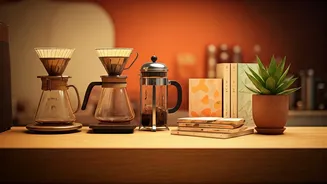
It’s Saturday night, but instead of navigating a crowded bar, you’re sinking into a comfortable armchair at a local coffee shop. The air smells of espresso, not stale beer, and the soundtrack is a curated indie playlist, not a thumping bassline that makes
your teeth vibrate. This is the 'coffee social,' a planned gathering that’s becoming an increasingly popular alternative to traditional nightlife. It’s not just a quick caffeine run; it’s the main event. Friends are scheduling hangouts that revolve around conversation, board games, or simply sharing a space without the pressure, expense, and inevitable exhaustion of a late night out. This shift isn’t an attack on nightlife, but rather a quiet embrace of something different—a social life built around presence instead of performance.
Driven by Wellness and Wallets
So, what’s behind this migration from the club to the café? Two major factors are money and well-being. A single night out involving cover charges, marked-up drinks, and surge-priced rides can easily cost over $100. For younger generations navigating inflation and student debt, that’s a significant expense for a few hours of fun. A coffee social, by contrast, might set you back the price of a fancy latte. Beyond the budget, there’s the burgeoning 'sober curious' movement. A growing number of Gen Z and Millennials are consciously reducing their alcohol intake, seeking social scripts that don’t revolve around drinking. The coffee shop provides a perfect setting: a sophisticated, adult environment that’s inherently alcohol-free. It prioritizes mental and physical health, eliminating hangovers and late-night decisions from the social equation.
From Loud Beats to Real Conversations
Perhaps the most significant difference lies in the quality of connection. Clubs and loud bars are designed for spectacle and energy, not deep conversation. You shout over the music, communicate in gestures, and spend most of the night in a sensory overload. It’s fun, but it can also feel superficial. Coffee shops, on the other hand, are built for communication. The calmer, more intimate atmosphere allows for the kind of conversations that build real friendships. You can actually hear what the other person is saying, discuss ideas, share vulnerabilities, and laugh without screaming. For many, this feels more rewarding than the fleeting, high-decibel interactions of a typical night out. It’s a move toward intentional social time, where the goal isn’t just to be seen, but to actually connect.
The New 'Third Place'
Sociologists talk about the importance of 'third places'—locations outside of home (the first place) and work (the second place) where people can gather, relax, and build community. For decades, bars and pubs filled this role. But as social priorities shift, the coffee shop is emerging as the quintessential third place for a new generation. They’re becoming community hubs that host open mic nights, book clubs, and art displays, offering a built-in sense of belonging. This evolution is changing the business of coffee, too, with many shops extending their hours and designing their spaces to encourage lingering. They’re not just fueling your morning commute anymore; they’re hosting your social life.