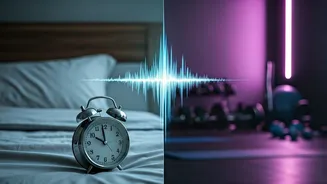




From 'Hustle Culture' to 'Recovery Culture'
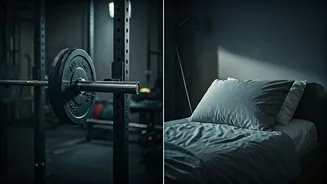
Remember the era of 'no days off' and the glorification of the 4 AM workout? For a long time, sleep was treated as a luxury at best and a weakness at worst. The prevailing fitness culture celebrated grit, endurance, and the willingness to sacrifice rest
for one more set or one more mile. Sleep was the thing you did after you’d earned it, not a tool to help you earn it in the first place. This 'rise and grind' mentality permeated everything from bodybuilding forums to corporate wellness programs. The message was clear: success, whether in the gym or the boardroom, required burning the candle at both ends. But that philosophy is starting to look as outdated as a low-fat diet. A new understanding, backed by science and championed by elite performers, is reframing rest not as passivity, but as an active and essential component of physical excellence.
The Science of Gains in Your Sleep
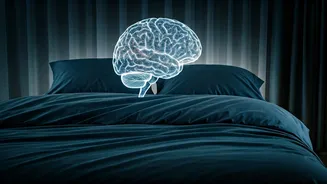
So what changed? The science became too loud to ignore. We now know that the magic of a workout doesn't happen when you're lifting the weight; it happens when you're recovering from it. During deep sleep, your body goes into full-blown repair mode. The pituitary gland releases Human Growth Hormone (HGH), which is essential for repairing and building muscle tissue. Simultaneously, levels of the stress hormone cortisol drop, allowing your body to reduce inflammation and recover from the physical stress of exercise. Without adequate sleep, you're short-circuiting this entire process. You get less muscle protein synthesis, higher cortisol levels that can lead to muscle breakdown and fat storage, and impaired cognitive function. Essentially, skipping sleep is like hiring a construction crew to build a house but never giving them the materials or time to do the job. You’re putting in the work at the gym, but robbing yourself of the results while you’re unconscious.
The Pro Athlete Proof
Nothing moves the needle in fitness like the habits of elite athletes. When icons like LeBron James reportedly sleep 8-10 hours a night—sometimes more—and call it the most critical part of their recovery, people pay attention. He’s not an outlier. Superstars from Tom Brady to Roger Federer have built their legendary longevity on meticulous routines where sleep is a non-negotiable priority. They treat sleep like a performance-enhancing drug that’s legal, free, and available to everyone. This high-profile endorsement has trickled down to amateur athletes and everyday gym-goers. It has shifted the conversation from 'How little sleep can I get away with?' to 'How can I optimize my sleep for better performance?' The new status symbol isn't sleep deprivation; it’s a fully charged 'readiness score' from a sleep tracker.
Tech Makes Sleep a Measurable Metric
What gets measured gets managed, and the boom in wearable technology has finally made sleep a concrete metric. Devices like the Oura Ring, Whoop strap, and advanced smartwatches don't just track how long you were in bed; they provide detailed data on your sleep stages (light, deep, REM), heart rate variability, and respiratory rate. This transforms sleep from a vague feeling of being 'tired' or 'rested' into a dashboard of actionable data. It gamifies recovery. Suddenly, you're not just 'going to bed'; you're trying to beat your deep sleep score from the night before. This bio-feedback loop has been a game-changer, allowing millions of people to see the direct correlation between a late-night meal or an evening glass of wine and a poor recovery score. It makes the invisible, visible, and turns a passive activity into an active pursuit of a competitive edge.