


The Symphony of Rain and Cravings
In South Asia, the monsoon isn’t just a weather pattern; it’s a season of profound cultural and emotional significance. It’s a relief from scorching heat, a lifeblood for agriculture, and a backdrop for romance and reflection. And inextricably linked
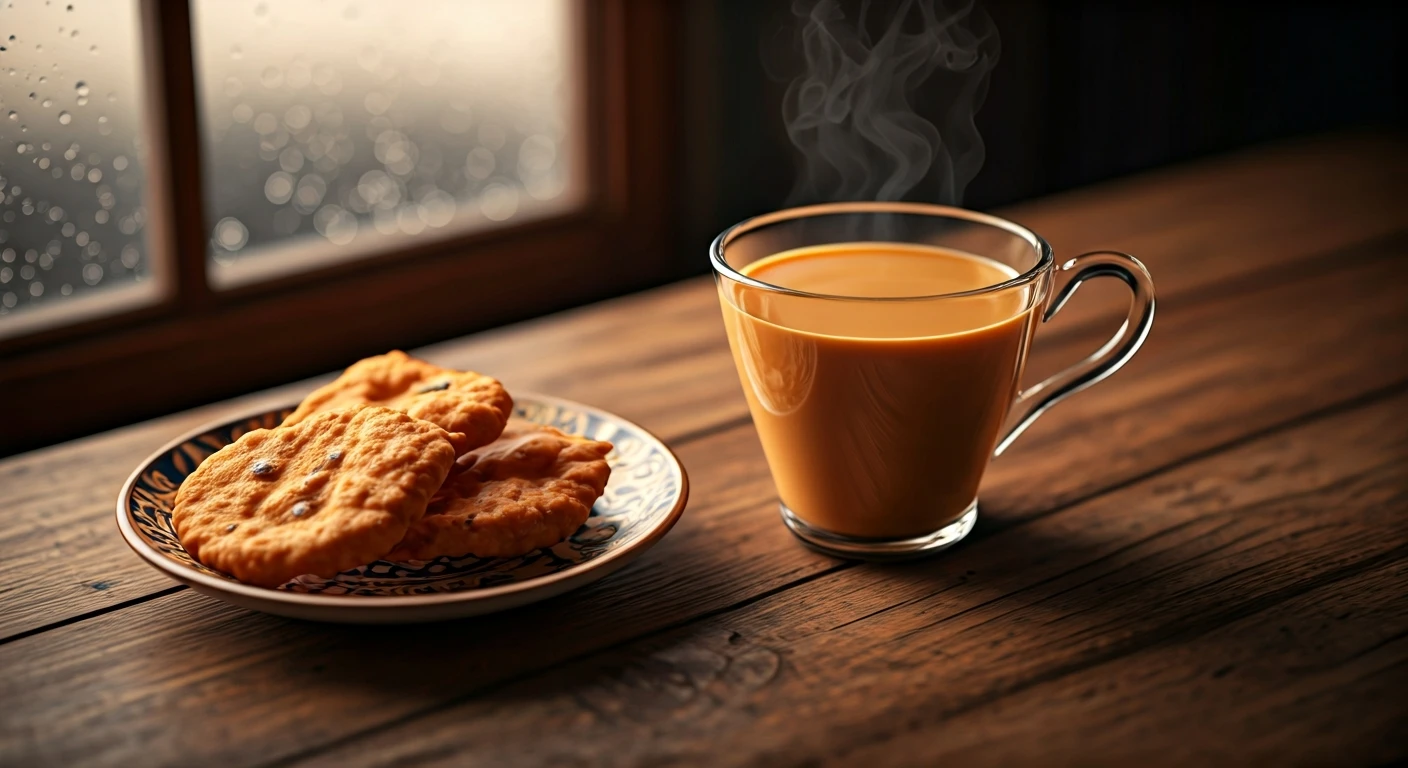
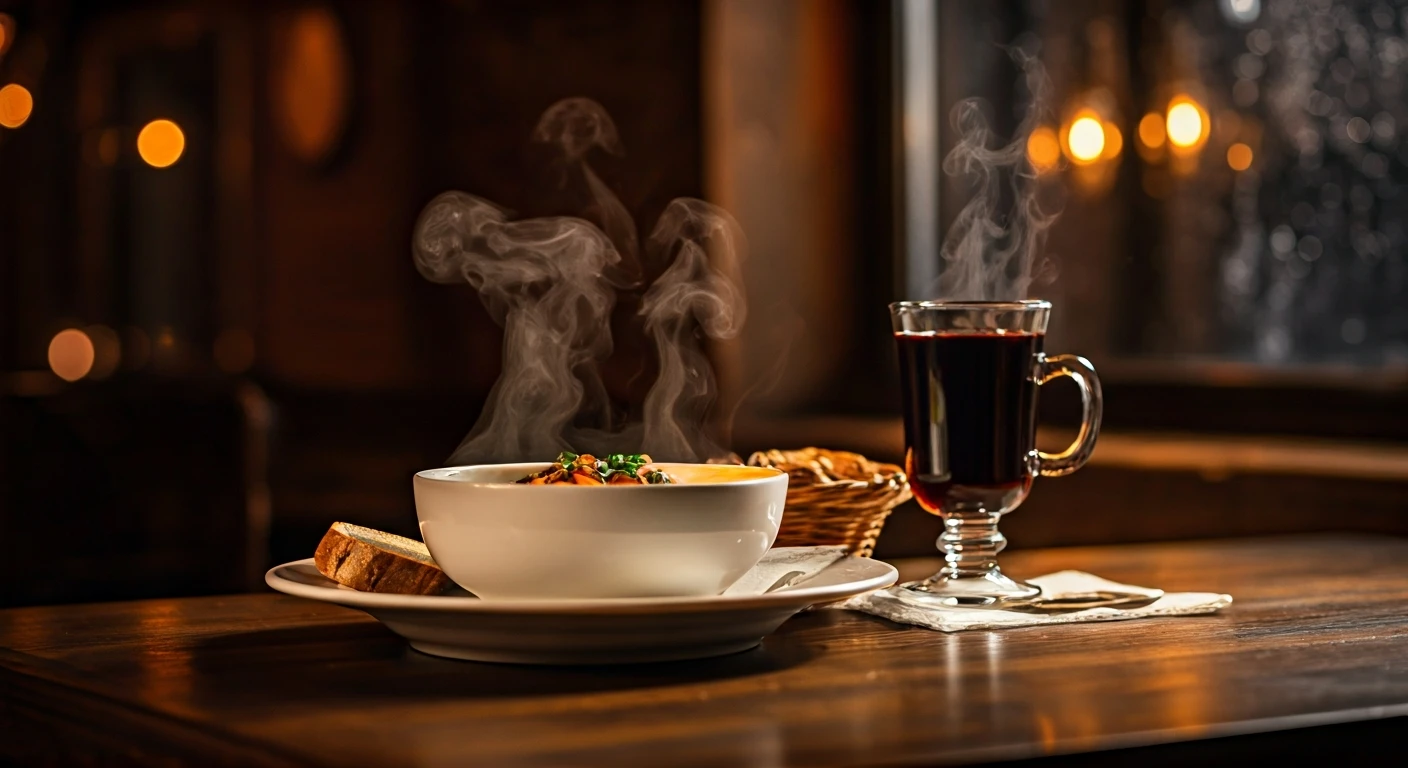
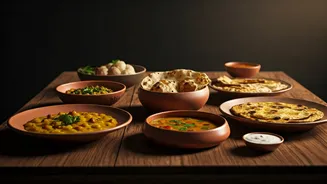
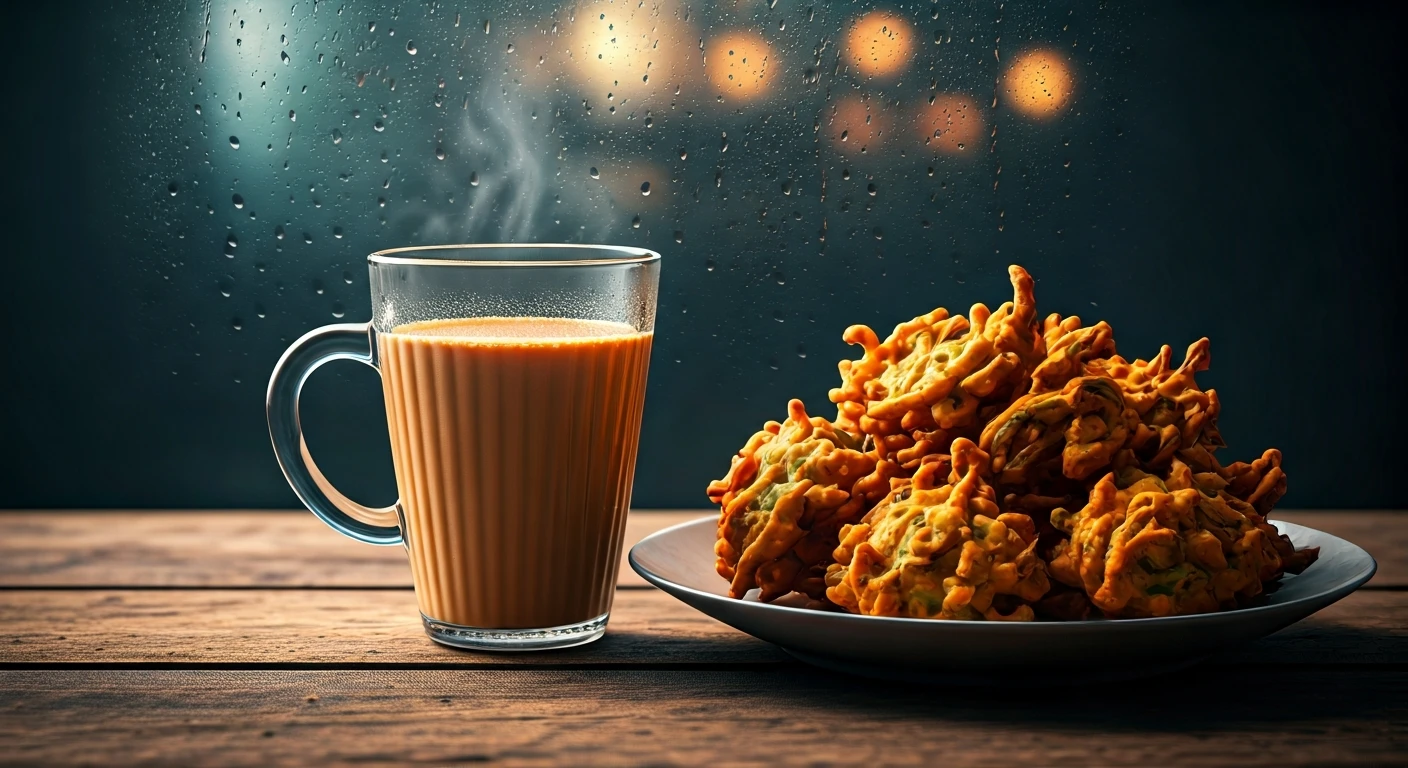
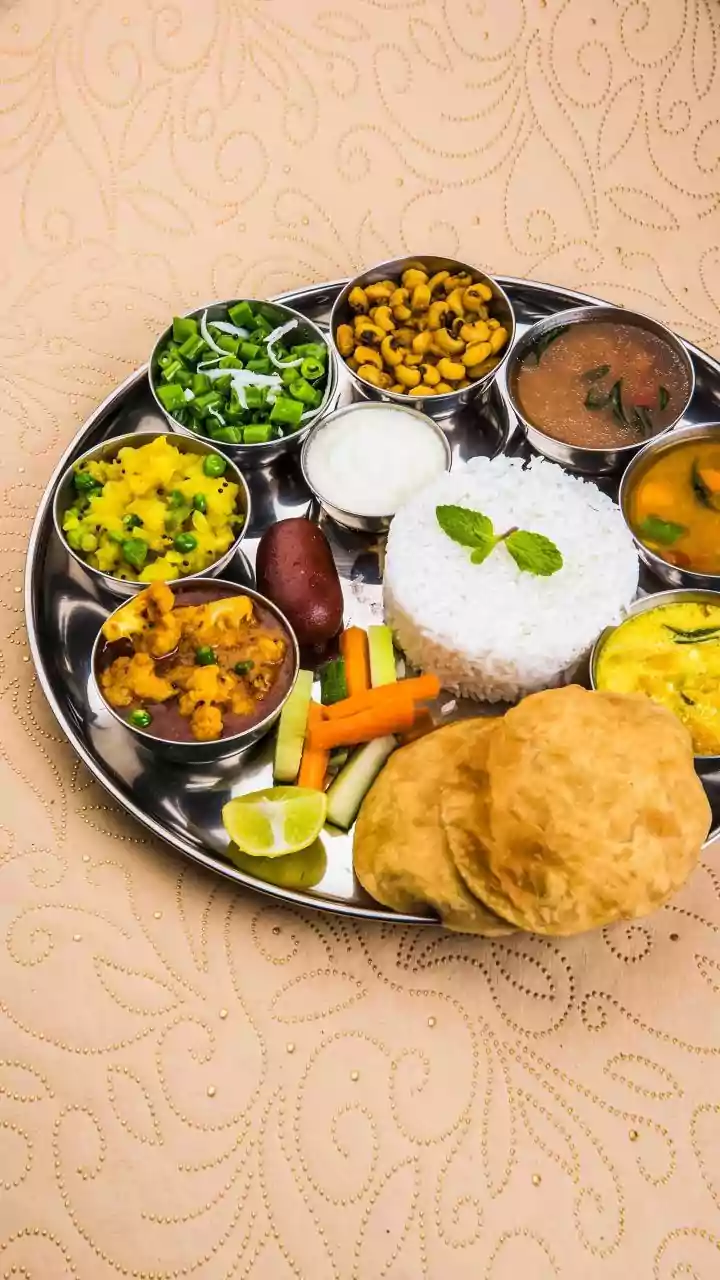
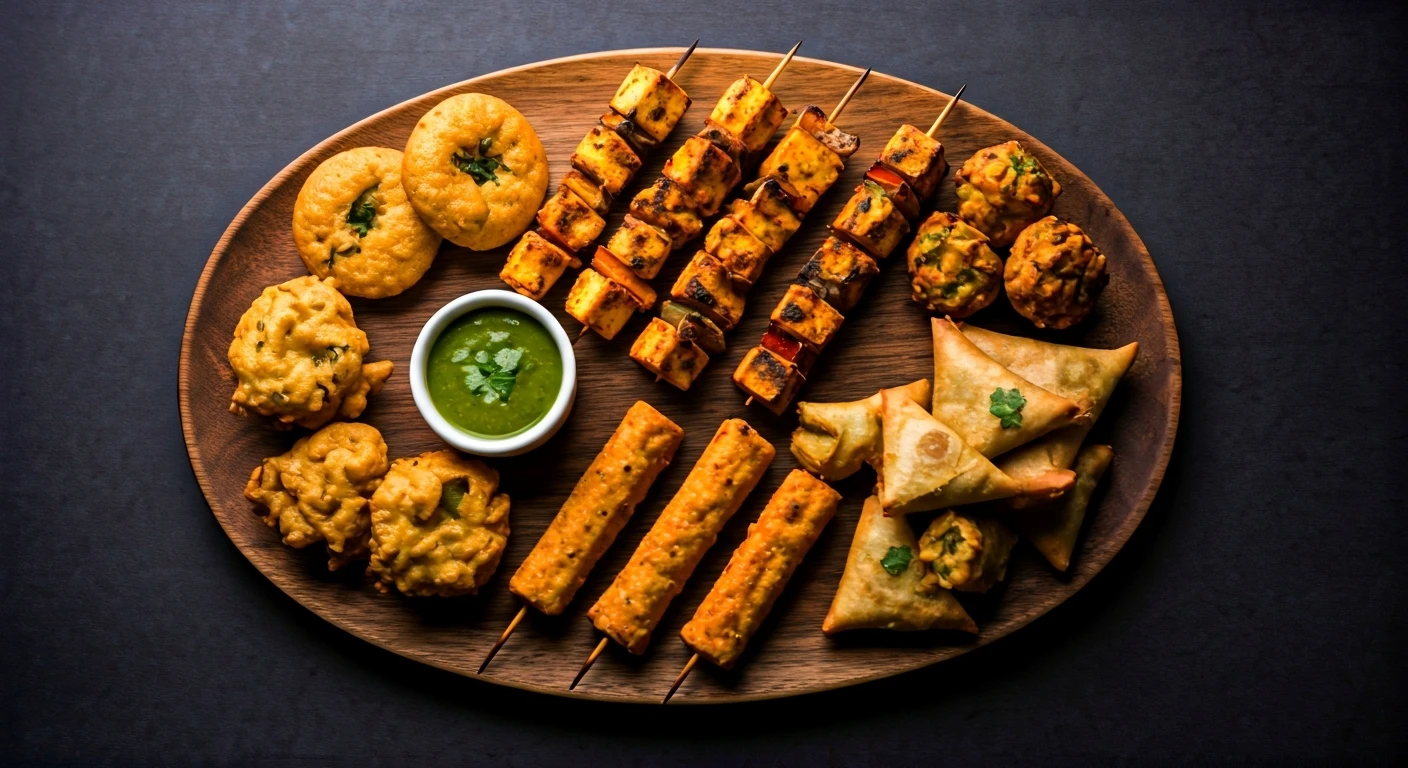
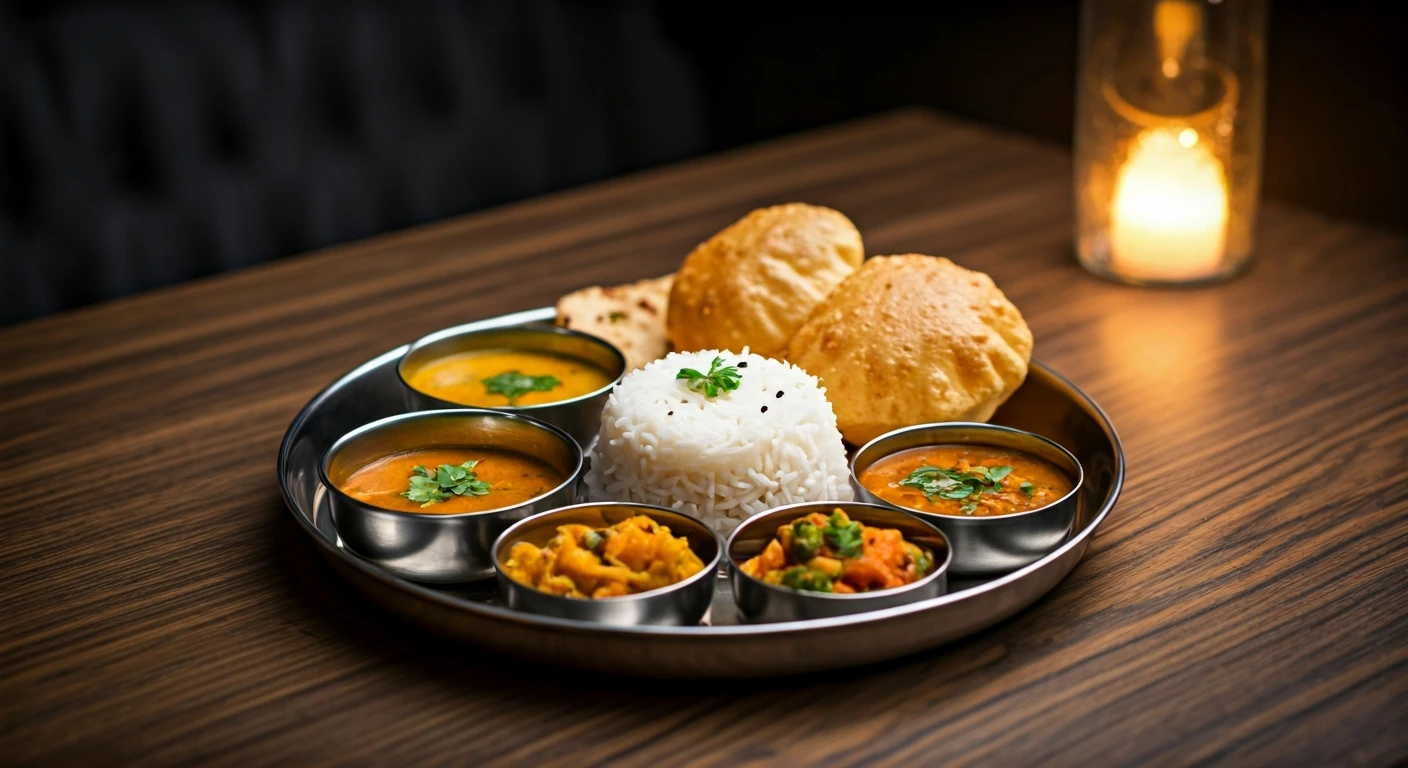
to the drumming of the rain is a specific category of food—hot, often fried, intensely savory, and deeply comforting. Think of crispy, spiced vegetable fritters (pakoras or bhajis), pulled straight from sizzling oil and served with a steaming cup of sweet, milky masala chai. Or a hearty bowl of khichdi, a simple rice and lentil porridge that’s the culinary equivalent of a warm hug. These aren’t just snacks; they are sensory anchors to a specific time and place. The cool, damp air seems to demand the warmth of a fried delicacy, and the sound of rain is the universal soundtrack for sipping tea.
From Nostalgia to an 'Emotional Era'
For the millions in the South Asian diaspora living in the United States, these foods are more than just a seasonal treat. They are a powerful portal to the past. The headline’s “emotional era” points to a recent cultural shift where these dishes are being celebrated not just for their flavors, but for the complex feelings they represent: nostalgia, belonging, and identity. A single bite of a perfectly spiced samosa can transport someone from a New York City apartment to a childhood home in Mumbai, watching the rain from a veranda with their grandmother. The act of making chai is a ritual that connects generations, a recipe passed down that carries with it the warmth of family. This isn't just about food being 'comforting'; it's about food being a vessel for memory. In an era where authenticity and personal stories are highly valued, monsoon comfort foods offer a narrative that is both deeply personal and widely relatable.
Finding a Foothold in the American Palate
This emotional current is now spilling over into the American mainstream. On social media platforms like TikTok and Instagram, second- and third-generation South Asian Americans are sharing their “rainy day” food rituals, and the content resonates far beyond the diaspora. Videos of pakoras sizzling in a pan or the perfect pull of a cheesy, masala-spiced sandwich go viral because they capture a universal feeling of coziness and satisfaction. Progressive Indian and South Asian restaurants in the U.S. are also moving beyond the standard buffet fare. Chefs are building menus around these deeply personal, home-style dishes, explaining their significance and sharing the stories behind them. Dishes like khichdi, once considered a simple, even 'sick day' food, are now appearing on sophisticated menus, celebrated for their comforting purity and connection to home. It signals a growing confidence in sharing the full, nuanced spectrum of a cuisine, not just its most famous exports.
An Act of Cultural Preservation
Ultimately, the rise of monsoon comfort food is about more than just a trend. For many, making and sharing these dishes is a quiet act of cultural preservation. When you live thousands of miles from your ancestral home, recreating a flavor can be the most tangible way to connect with your heritage. It’s a way of teaching children about their culture, not through a textbook, but through their senses. It’s a way of building community, as friends gather on a rainy afternoon to share a plate of fried snacks and stories. This 'emotional era' is a recognition that food is never just fuel. It’s history, it’s family, it’s identity. And as these dishes become more visible, they invite others to appreciate not just a delicious snack, but the rich tapestry of memories and emotions that are served right alongside it.