


The Era of Tweezer Food
Remember the 2010s? It was the peak of what critics affectionately (and sometimes dismissively) called “tweezer food.” Inspired by avant-garde temples of gastronomy like Noma in Copenhagen and Alinea in Chicago, chefs everywhere embraced a maximalist-on-a-micro-scale
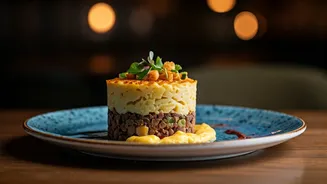
approach. A single scallop might be flanked by a dozen disparate elements: a puréed smudge of one vegetable, a dehydrated “soil” of another, a few shimmering gel cubes, a scattering of foraged micro-flowers, and a wisp of foam. Each plate was a complex puzzle, a testament to the chef’s technical skill and intellectual ambition. This style was about deconstruction and transformation. The goal wasn’t just to serve you a carrot; it was to serve you the *idea* of a carrot, presented in five different textures and temperatures. It was exciting and cerebral, but it could also feel fussy and, at times, disconnected from the simple joy of eating. The plate was often a canvas for a performance, with the ingredients as supporting actors in the chef’s grand vision.
Enter the ‘Honest’ Plate
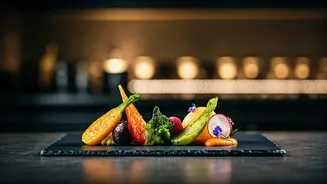
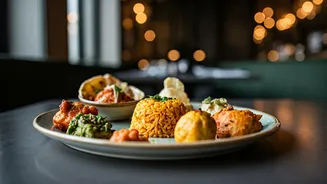
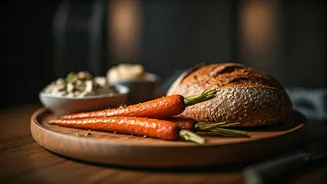
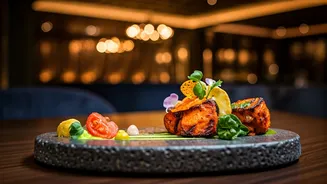
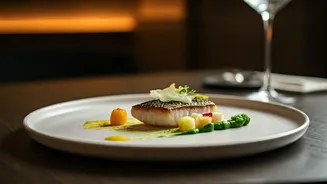
Slowly, and now all at once, that aesthetic is being replaced. The new dominant style is one of radical simplicity and ingredient worship. Instead of a dozen components, you might see just three. That perfectly seared piece of fish isn’t hidden under a blizzard of garnishes; it’s the undisputed star, resting confidently next to a beautifully roasted heirloom vegetable and a pool of glossy, masterfully executed sauce. The plate is no longer a Jackson Pollock-esque splatter; it’s more like a Georgia O'Keeffe still life—focused, bold, and deeply appreciative of its subject. This approach isn’t lazy; in fact, it’s arguably harder. With nowhere to hide, every single element must be perfect. The fish has to be cooked flawlessly. The vegetable must be at its seasonal peak. The sauce must be balanced and profound. It’s a style built on confidence rather than complexity, showcasing the chef's skill in sourcing and cooking, not just in abstract composition.
A Backlash to Performative Dining
So, what’s driving the change? In part, it’s a cultural pendulum swing. After years of food that demanded to be analyzed, diners are craving food that simply wants to be enjoyed. The pandemic accelerated this desire for comfort, clarity, and authenticity. We spent months eating at home, rediscovering the pleasure of a simple, well-made meal. When we returned to restaurants, many of us weren’t looking for a culinary dissertation; we were looking for nourishment, connection, and delight. This new plating style reflects a shift in the definition of luxury. Luxury is no longer about visible labor—the countless hours spent tweezing microgreens onto a plate. Instead, it’s about access to pristine, exceptional ingredients. The flex isn’t showing how you can manipulate a sunchoke; the flex is serving a sunchoke so perfect it needs nothing more than a little salt, fat, and fire.
The Influence of the Instagram Edit
It’s also impossible to ignore the influence of social media. While a busy, chaotic plate could look intriguing, it often translated into a muddled mess on a phone screen. The new style is, in many ways, more photogenic. A clean, graphic composition with bold colors and clear focal points pops on an Instagram feed. Think of a single, glistening oyster, a vibrant slice of tomato on toast, or a steak with a perfect char. These images are legible, immediately appetizing, and speak a universal language of deliciousness. The aesthetic has shifted from “look how complicated this is” to “look how perfect this is.” It aligns with the broader “clean girl” and minimalist trends we see in fashion and home décor. The visual language of today values clarity, quality, and an effortless-seeming elegance—and our plates are following suit.