
From Restaurant Staples to Roadside Bites
For decades, the American understanding of Indian food was shaped by a handful of North Indian restaurant dishes: chicken tikka masala, saag paneer, and garlic naan. It’s delicious, but it's like judging all American food by a New York steakhouse menu.
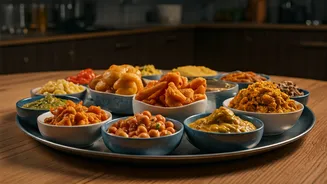
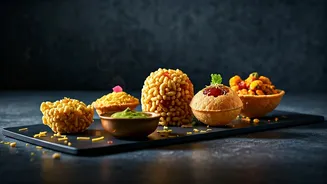
What was missing was the chaotic, explosive, and deeply beloved world of Indian street food. We're talking about *chaat*—a category of savory snacks that hits every note: sweet, sour, spicy, and crunchy. Think pani puri (hollow crisps filled with spiced water), bhel puri (a puffed rice salad with tamarind and mint chutneys), and sev puri (flat discs topped with potatoes, onions, and crunchy chickpea noodles). These aren't appetizers; they are a culinary event, and their complex flavor profiles are now the inspiration for a new generation of packaged snacks.
The New Wave of Food Founders
So, why now? A large part of the answer lies in the entrepreneurs behind the brands. Many of these new companies are founded by second-generation Indian Americans who grew up straddling two cultures. They have a deep nostalgia for the specific, regional flavors they ate at home or on family trips to India, but they also possess an innate understanding of the American CPG (consumer packaged goods) market. They saw a gap: the snacks of their childhood weren't available in a convenient, modern format that could sit on a shelf at Whole Foods or Target. Fueled by a desire to see their heritage represented authentically, they began creating products that were both true to their roots and appealing to a modern, health-conscious American consumer. This isn't just about business; for many, it’s a mission to broaden the definition of “Indian food” in the U.S.
What to Look For on the Shelf
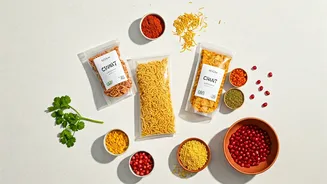
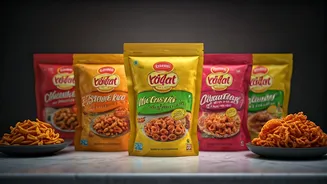
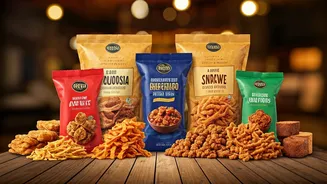
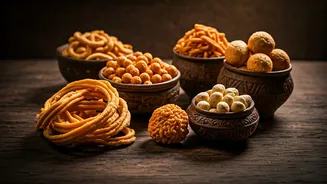
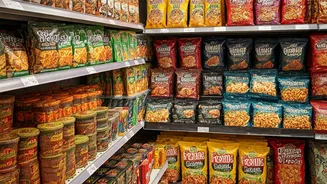
This trend is manifesting in creative and delicious ways. You’ll find potato chips flavored not just with “curry powder,” but with the specific spice blend of a tangy pani puri or a robust pav bhaji (a spiced vegetable mash). Puffed water lily seeds, or makhana, are appearing as a lighter, crunchier alternative to popcorn, dusted with flavors like turmeric or chili lime. You can find ready-to-eat bhel puri kits that just require a quick mix, or crunchy lentil-flour sticks (sev) that are perfect for sprinkling over salads and soups for an instant texture and flavor boost. Even the beverage aisle is getting in on the action, with yogurt-based lassi drinks moving beyond plain mango to include more traditional flavors like rose and cardamom. The key is specificity. Brands are calling out regional inspirations and specific dishes on their packaging, inviting consumers to go on a flavor journey.
Beyond the Indian Diaspora
While this movement was sparked by a desire to serve the Indian diaspora, its success hinges on a broader appeal. And it's working. American palates have become significantly more adventurous over the past decade, thanks to food television, travel, and the internet. Consumers are actively seeking out bold, authentic flavors and are increasingly wary of “dumbed-down” international cuisine. They want the real deal. These street-inspired snacks offer a low-stakes entry point into the world of regional Indian food. You don't have to commit to a full meal at an unfamiliar restaurant; you can simply grab a bag of masala-spiced popcorn and experience a new taste profile from the comfort of your couch. It’s a trend that satisfies both the craving for nostalgic authenticity and the thrill of culinary discovery.