




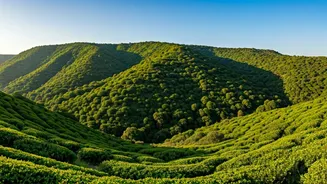




An Oasis Awakens
For most of the year, Rajasthan, India’s iconic northwestern state, lives up to its desert reputation. But from July to September, something magical happens in its only hill station, Mount Abu. As the monsoon clouds roll in over the ancient Aravalli Range,
the parched landscape undergoes a dramatic transformation. The dusty browns and ochres give way to a hundred shades of green. The air, once heavy with dry heat, becomes cool, thick with moisture, and carries the rich, earthy scent of petrichor—the smell of rain hitting dry soil. This isn’t just a change in weather; it’s a total shift in atmosphere. For travelers accustomed to chasing the sun, a rainy season trip here offers a completely different kind of reward: the chance to see a destination not just surviving the rain, but truly coming alive because of it.
The Mystique of Nakki Lake
At the heart of Mount Abu lies Nakki Lake, a man-made body of water steeped in local legend. On a clear day, it’s a bustling hub of paddleboats and tourists. But during the monsoon, it becomes something else entirely: a serene, moody masterpiece. A thick blanket of fog often settles over the water, obscuring the surrounding hills and creating an ethereal, almost mystical, silence. The usual tourist chatter is replaced by the gentle patter of raindrops on the lake’s surface. Taking a boat out into the mist feels like gliding into another world, where the only landmarks are the faint outlines of trees and the occasional granite rock formation, like the famous Toad Rock, looming through the haze. It’s an experience that trades sunny photo-ops for a quiet, introspective connection with nature.
Chasing Clouds at the Summit
Most travelers head for high altitudes to get a clear, panoramic view. In monsoon-swept Mount Abu, you go up to get lost in the clouds. A drive to Guru Shikhar, the highest peak in the Aravalli Range at 5,650 feet, becomes an adventure in itself. The winding road disappears into a wall of white, and by the time you reach the temple at the summit, you are literally walking through clouds. The sweeping vistas are gone, replaced by an intimate, moisture-filled world where you can barely see a few feet ahead. The wind carries fine droplets of water that cling to your hair and clothes. Instead of feeling cheated out of a view, you feel immersed in the sky itself. It’s a humbling, powerful reminder of nature’s ability to reshape our perception of a place.
Temples Wrapped in Mist
Mount Abu is also home to the world-renowned Dilwara Temples, a complex of five Jain temples carved from brilliant white marble between the 11th and 13th centuries. Visiting them during the monsoon adds a layer of profound tranquility. The cool, damp air seems to quiet the space even further, allowing the incredible artistry to command your full attention. The sound of rain drumming softly on the roof provides a natural, meditative soundtrack as you marvel at the impossibly intricate carvings on the ceilings, pillars, and doorways. The cold marble underfoot and the misty light filtering in from the courtyards create a solemn, spiritual ambiance that feels both ancient and immediate. The weather encourages you to slow down and truly absorb the masterful craftsmanship, turning a sightseeing stop into a contemplative experience.
The Cozy Comforts of Rainy Days
Beyond the grand sights, the charm of a rainy trip to Mount Abu lies in its simple pleasures. It’s the joy of finding a small, roadside stall selling bhutta—corn on the cob roasted over hot coals and rubbed with salt, chili, and lime—and eating it while huddled under an awning, watching the downpour. It’s the comfort of ducking into a cozy café for a steaming cup of masala chai, its spicy aroma a perfect antidote to the damp chill in the air. The rain forces a slower pace of travel. Days are less about ticking off a checklist and more about lingering, observing, and soaking in the atmosphere. It fosters a feeling of coziness and contentment that a sun-drenched, fast-paced vacation often misses.