






The Myth of 'Out-Training' Exhaustion
In the cult of productivity and personal optimization, sleep is often the first thing to go. We treat it like a debt we can pay off later, or a weakness to be overcome. The prevailing myth is that as long as you're crushing your workouts, you can get
by on five or six hours of sleep. Coffee in the morning, a pre-workout stimulant in the afternoon, and sheer willpower will carry you through, right? This mindset treats the body like a simple machine: calories in, calories out; effort in, results out. It presumes that the stress of exercise can be managed independently from the stress of sleep deprivation. We see fitness influencers posting 5 AM workout selfies after admitting they were up late, reinforcing the idea that sheer grit is the main ingredient for success. But your body’s biochemistry tells a very different story.
Reality: Your Muscles Are Built in Bed
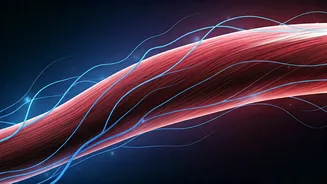
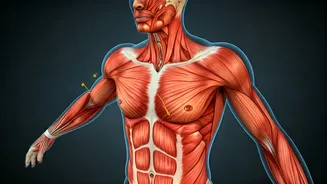
Exercise, particularly resistance training, doesn’t build muscle—it breaks it down. The intense effort creates microscopic tears in your muscle fibers. This is the stimulus for growth. The actual repair and rebuilding process, known as muscle protein synthesis, happens during periods of rest. And the most potent, hormonally-optimized time for this repair is during deep sleep. While you’re in non-REM deep sleep, your pituitary gland releases a powerful pulse of Human Growth Hormone (HGH), which is critical for repairing tissues, building bone, and turning that gym effort into actual gains. When you consistently shortchange your sleep, you are essentially interrupting your body’s own construction crew. You’re knocking down the old structure every day at the gym but never giving the builders enough time overnight to put up the new, stronger one. Your workout becomes an act of demolition with no subsequent renovation.
The Cortisol Catastrophe
The hormonal consequences of poor sleep go beyond just missing out on growth hormone. Chronic sleep deprivation sends your body into a state of high alert, dramatically increasing the production of cortisol, the primary stress hormone. While cortisol is necessary in small doses (it helps you wake up in the morning), chronically high levels are disastrous for anyone trying to get fitter. Cortisol is catabolic, meaning it can actively break down muscle tissue for energy—the exact opposite of what you want. It also encourages the body to store fat, particularly visceral fat around the abdomen, which is linked to a host of health problems. So, while your exhausting workouts are designed to build muscle and burn fat, your lack of sleep is triggering a hormonal cascade that does the precise opposite. You're effectively stepping on the gas and the brake at the same time.
Brain Fog, Performance, and Injury
Even if you could ignore the hormonal impact, you can’t escape the neurological effects. Sleep is essential for cognitive function, focus, and motor control. When you're sleep-deprived, your reaction time slows, your decision-making falters, and your perception of effort skyrockets. That 45-pound plate feels like 60. Your motivation to push through that last set disappears. This not only makes your workout less effective but also makes it more dangerous. Poor form due to fatigue is a leading cause of gym injuries. A moment of inattention while lifting a heavy weight or a clumsy misstep during a HIIT session can lead to a strain, sprain, or worse—sidelining your precious gym streak for weeks or months. Your brain’s ability to recruit muscle fibers efficiently is compromised, meaning you simply can't generate the force or maintain the stability needed for a safe and productive session.