

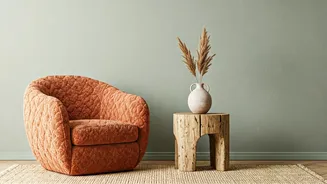

More Than Just White Walls
Forget the cold, sterile spaces you might associate with traditional minimalism. Warm minimalism is its cozier, more soulful cousin. It’s a design approach that marries the clean lines and uncluttered principles of minimalism with a rich palette of textures,
natural materials, and a carefully curated selection of personal objects. The goal isn't emptiness, but intentionality. It's about creating a space that feels both spacious and inviting, serene and personal. While minimalism says “less is more,” warm minimalism clarifies that the “less” should be deeply meaningful, comfortable, and tactile. It trades starkness for softness, creating a haven that appeals to our senses through touch and sight.
An Antidote to Urban Chaos
So why has this particular style found such a strong foothold in modern India? In many ways, it’s a direct response to the environment. The sensory overload of India’s bustling cities—the vibrant colors, constant sounds, and kinetic energy—makes the prospect of a tranquil home deeply appealing. Designers and homeowners are increasingly seeking to build personal retreats that act as a calming counterpoint to the world outside. This trend goes beyond aesthetics; it’s a wellness choice. Furthermore, warm minimalism aligns beautifully with long-standing Indian cultural values: a deep appreciation for natural materials, a rich heritage of artisanal craftsmanship, and a philosophical inclination towards simplicity and mindfulness. It’s a global trend that feels hyperlocal.
The Grounded Color Palette
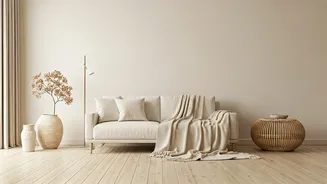
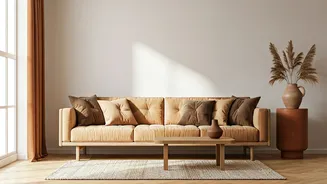
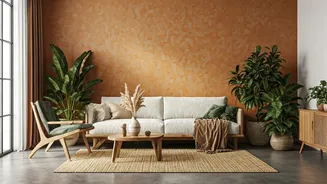
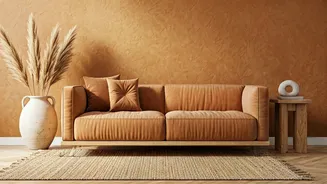
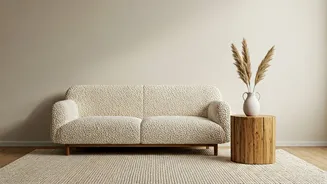
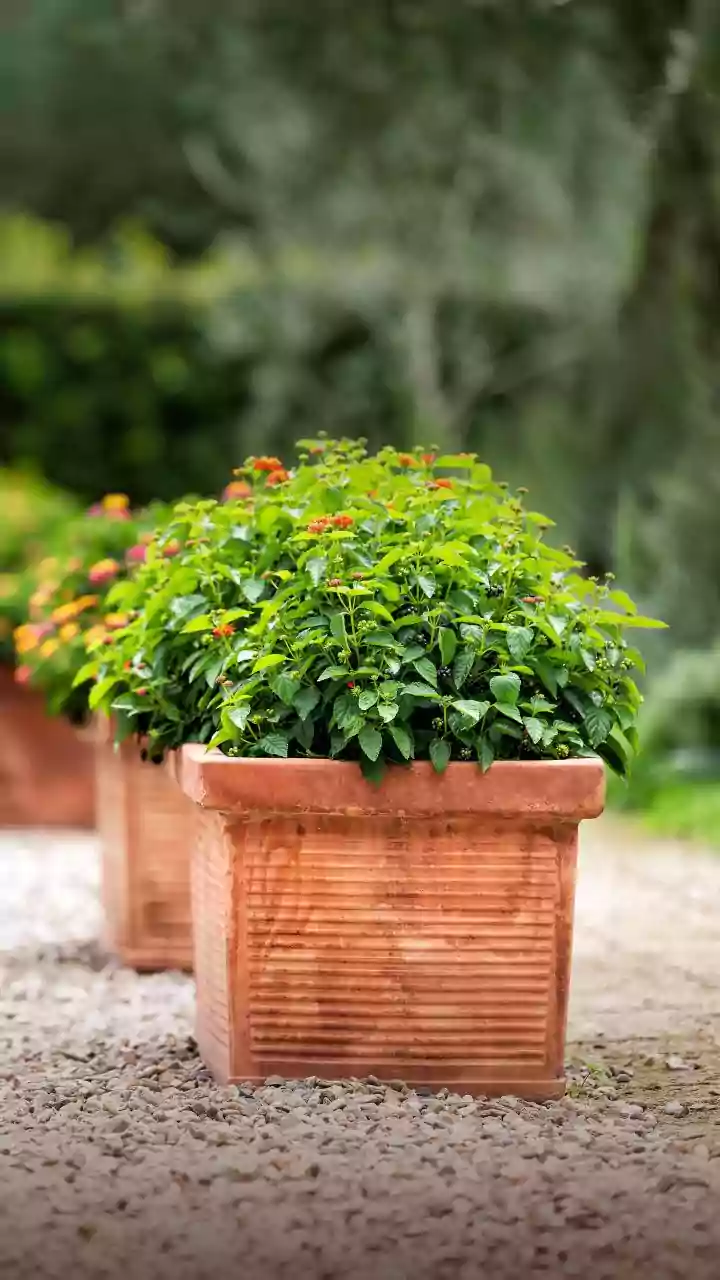
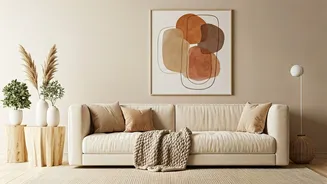
The foundation of the warm minimalist look in India is its color scheme. It moves away from cool grays and stark whites, instead favoring a palette drawn from the earth. Think warm beiges, soft terracottas, muted ochres, and creamy off-whites. These colors provide a serene and unified backdrop that allows textures and forms to stand out. This palette is inherently calming and connects the interior space to the natural world. Accent colors are used sparingly and are often derived from natural sources, like the deep green of a houseplant or the rich indigo of a hand-dyed textile. The effect is a space that feels cohesive, gentle on the eyes, and deeply restful.
A Symphony of Natural Materials
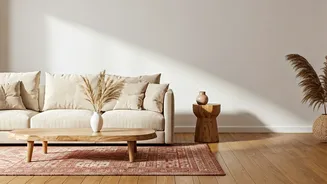
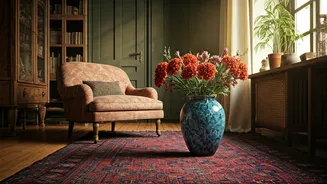
Texture is where warm minimalism truly comes alive. In Indian homes embracing this style, you’ll find a celebration of organic materials that add depth and tactile interest. Polished concrete or stone floors are softened with jute or wool rugs. Furniture is often crafted from woods like teak and rattan, prized for their durability and warm tones. Linens, cotton, and khadi fabrics are used for curtains, cushions, and throws, adding layers of softness. These materials are not just functional; they tell a story of authenticity and connection to the earth. The interplay between a smooth, cool floor and a rough, handwoven textile is a hallmark of the style, creating a balanced sensory experience.
Celebrating the Artisan's Hand
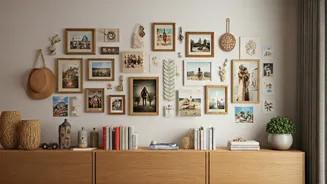
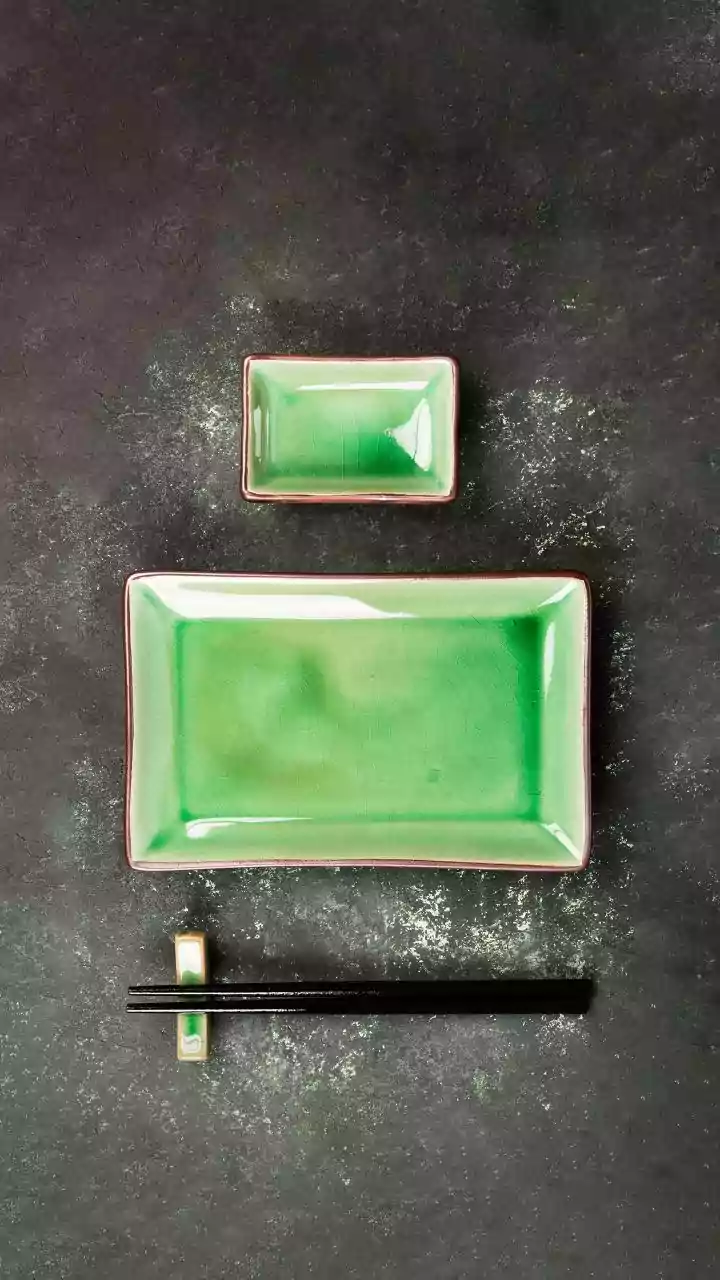
Instead of mass-produced decor, warm minimalism champions unique, handcrafted objects. This is where the style beautifully incorporates India's incredible legacy of craftsmanship. A single, exquisitely carved wooden panel might become a piece of wall art. Hand-thrown pottery, brass vessels (known as ‘urlis’), and block-printed textiles are featured not as clutter, but as cherished focal points. Each piece is chosen for its story, its texture, and its ability to bring a sense of soul into the room. This approach supports local artisans and weaves a thread of cultural identity into a modern aesthetic, creating spaces that feel both contemporary and timelessly Indian.
Letting the Light In
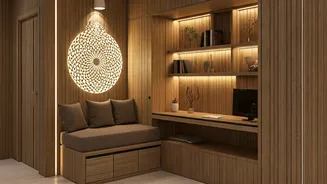
Lighting plays a crucial role in setting the calm, airy mood. The design prioritizes maximizing natural light, using sheer curtains or uncovered windows to let the daylight flood in. For artificial lighting, the approach is layered and soft. Instead of a single, harsh overhead light, you’ll find a combination of floor lamps, table lamps, and perhaps a sculptural pendant light. The goal is to create pools of warm, gentle illumination that can be adjusted to suit the time of day and mood, turning the home into a peaceful sanctuary after sunset.