





The Search for Stripes
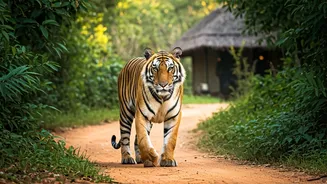
Imagine this: You’re in an open-air jeep, kicking up dust on a narrow track winding through a forest. The air is thick with the scent of sal trees and the drone of cicadas. Your guide, a man whose eyes miss nothing, suddenly signals for silence. He points
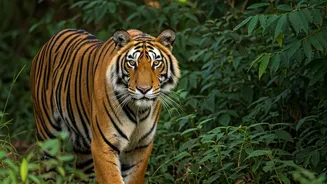
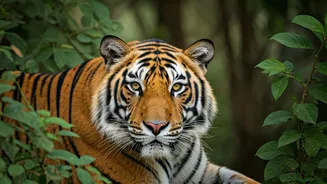
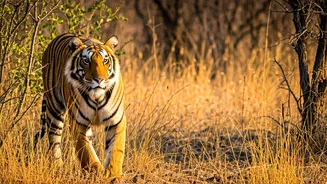
to a set of massive pugmarks in the dirt. Your heart hammers against your ribs. This isn't a zoo; it’s the raw, unpredictable world of the Bengal tiger, and you’re in its kingdom. For wildlife lovers and adventure travelers, an Indian tiger safari is a bucket-list pilgrimage. It’s a game of patience, luck, and respect for one of the planet's most majestic predators. And while India has over 50 tiger reserves, two consistently capture the imagination, especially as the temperatures climb: Jim Corbett National Park and Sariska Tiger Reserve.
Why the Summer Heat Is Your Best Friend
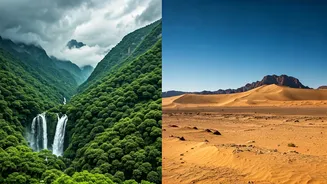
A trip to India in the peak of summer—with temperatures often soaring past 100°F—might sound like a hard sell. But for tiger tracking, it’s the secret sauce. From April to June, just before the monsoon rains arrive and many parks close, the landscape transforms in the traveler’s favor. The relentless heat dries up smaller streams and water sources, forcing wildlife to congregate around the few remaining rivers and waterholes. Simultaneously, the lush vegetation thins out, turning dense green walls into a more porous, golden-brown screen. For safari-goers, this combination is magic. It dramatically increases the odds of a sighting. A tiger, normally a master of camouflage, is far more likely to be spotted lounging near a pool to cool off or making its way through the sparser undergrowth. This is why seasoned visitors know that enduring the heat is a small price to pay for the potential reward.
Jim Corbett: An Undisputed Legend
Nestled in the foothills of the Himalayas in Uttarakhand, Jim Corbett National Park is hallowed ground for conservationists. Established in 1936, it’s India's oldest national park and the place where Project Tiger, the country's groundbreaking tiger conservation program, was launched in 1973. It’s named after the legendary British hunter-turned-conservationist Jim Corbett, whose books about tracking man-eaters in the region are required reading for anyone captivated by the Indian wilderness. Corbett is more than just tigers. It’s a sprawling, diverse ecosystem of dense forests, grasslands (chaurs), and the shimmering Ramganga River. It boasts a thriving population of wild elephants, leopards, sloth bears, and hundreds of bird species. A safari here feels like stepping back in time, offering a glimpse into the kind of primordial wilderness that has become vanishingly rare.
Sariska: A Story of Redemption
If Corbett is the established legend, Sariska, located in the Aravalli Hills of Rajasthan, is the comeback kid. Its story is a powerful, and at times heartbreaking, conservation drama. By 2005, rampant poaching had done the unthinkable: Sariska's entire tiger population was wiped out. The park was a forest without its king, a stark warning of what could happen if vigilance wavered. But what happened next became a symbol of hope. In a landmark effort, tigers were translocated from another reserve, Ranthambore, to Sariska starting in 2008. The reintroduction was a massive, complex undertaking. It was fraught with challenges, but against all odds, it worked. Today, Sariska is once again home to a breeding population of tigers. A sighting here feels different; it’s not just a glimpse of a beautiful animal, but a testament to human resilience and the enduring power of nature to heal, given a fighting chance.