



The Great Escape from Hibernation Eating
As the days grow longer and the temperature climbs, our bodies instinctively rebel against the hearty, rib-sticking fare that comforted us through winter. The era of braised meats, dense stews, and heavy cream sauces is officially over until the first
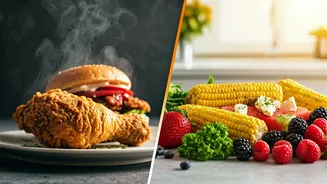
frost. This seasonal shift is more than just practical; it’s psychological. Summer is a season of lightness, spontaneity, and energy. The last thing anyone wants after a meal is to feel glued to a couch in a state of digestive regret—the dreaded “food coma.” This collective desire has given rise to a new standard for summer menus, both in restaurants and at home. It’s a move away from sheer indulgence and toward a more holistic form of satisfaction, where the way you feel an hour after eating is just as important as the taste of the first bite.
Painting the Plate with Vibrancy
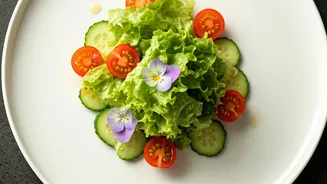
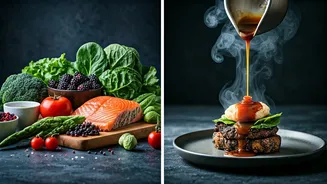
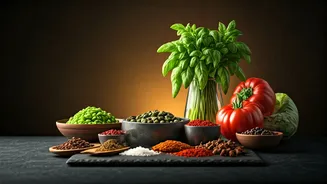
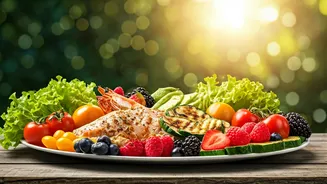
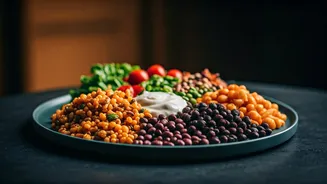
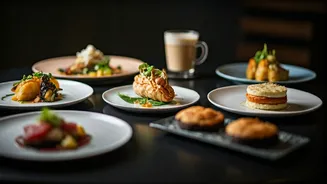
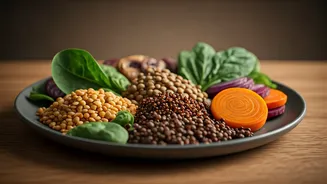
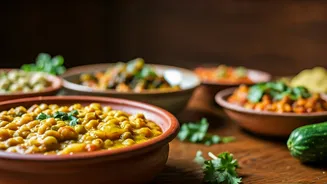
The “beauty” in this new summer ideal isn’t about fussy, overwrought plating. Instead, it’s an effortless aesthetic that comes from the ingredients themselves. Think of the deep magenta of a beet-stained yogurt, the electric green of a fresh herb oil drizzled over fish, or the jewel-like translucence of a tomato consommé. Color is king. Chefs are using the natural palette of the season—radishes, cucumbers, stone fruit, and an endless variety of greens—to create dishes that are visually stunning before a fork is even lifted. This approach often involves minimal cooking. Techniques like crudo, ceviche, and carpaccio are becoming summer staples, preserving the pure flavor and delicate texture of high-quality fish and vegetables. The beauty here is in the freshness, highlighted by bright sparks of acidity from citrus, vinegar, and pickled elements that cut through the heat and awaken the palate.
The Science of a No-Coma Meal
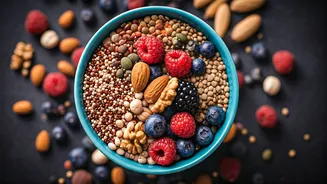
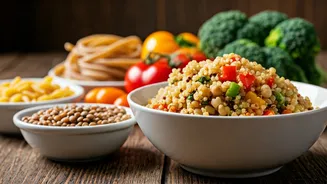
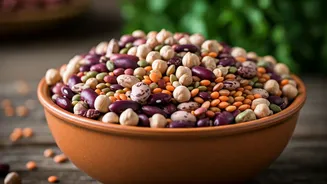
So, how do you achieve this blissful state of being satisfied but not sedated? The answer lies in the architecture of the meal. The foundation is built on plants. Vegetables and fruits, in all their raw, grilled, or lightly-cooked glory, take center stage. They provide volume, fiber, and nutrients without excess calories or fat. Protein is still present, but it’s leaner and lighter. Flaky white fish, grilled shrimp, chicken, and legumes replace heavy red meats. Healthy fats from olive oil, nuts, and avocado provide satiety without the sluggishness associated with saturated fats. The biggest villain being dethroned is the refined carbohydrate. Gone are the giant plates of pasta and bread baskets that send blood sugar on a rollercoaster. Instead, you’ll find smaller portions of whole grains like quinoa and farro, or carbs delivered through starchy vegetables, providing sustained energy rather than a crash.
Driven by the 'Gram and the Gut
This culinary evolution is fueled by two powerful, parallel forces: our digital lives and our growing wellness consciousness. On one hand, these vibrant, colorful plates are practically designed for Instagram. They are undeniably photogenic, broadcasting a sense of health, sophistication, and in-the-know taste. A beautiful plate of food has become a status symbol, and the bright, clean aesthetic of modern summer cooking is perfectly suited for the social media age. On the other hand, this isn't just a superficial trend. It syncs perfectly with a broader cultural shift toward mindful eating and gut health. People are more attuned to their bodies than ever, connecting what they eat with how they feel, sleep, and function. The desire for a “food coma-free” meal is a genuine pursuit of well-being. It’s the realization that true luxury isn’t heaviness or excess, but feeling light, energized, and ready for whatever the long summer evening brings.