


1. It's More Than Just Holi and Diwali
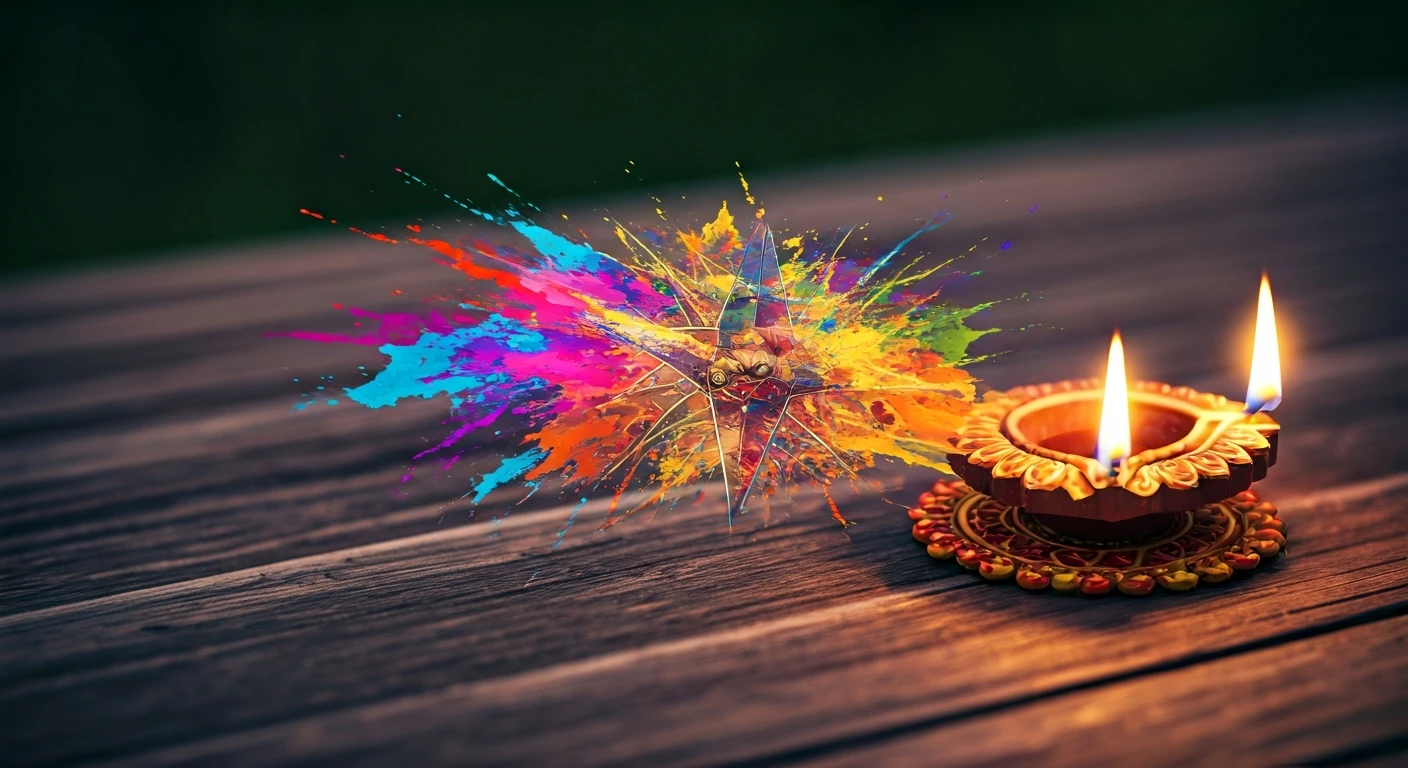
For years, the extent of festival tourism for many Americans centered on two massive events: Holi, the kaleidoscopic festival of colors, and Diwali, the luminous festival of lights. While both remain breathtaking experiences, travelers and tour operators
are now looking beyond them. The new approach is to use India's incredibly diverse, year-round festival calendar as the central pillar of an itinerary. Instead of a trip where you might happen to see a festival, the festival is the reason for the trip. This shift creates a journey with a built-in narrative, a dramatic peak, and an unparalleled opportunity to engage with local culture not as a spectator, but as a participant.
2. The Rise of Regional and Harvest Festivals
India isn't a monolith, and neither are its celebrations. The new festival-forward trend is shining a spotlight on deeply regional events that offer a unique window into the country's diverse cultures. In the northeastern state of Nagaland, the Hornbill Festival (early December) showcases the traditions, dances, and foods of the region’s 16 major tribes. It’s a powerful display of cultural preservation and pride. Similarly, Rajasthan's Pushkar Camel Fair (held around the autumn full moon) is more than just the world's largest livestock fair; it's a whirlwind of folk music, mustache competitions, and religious ceremonies on the edge of the Thar Desert. Planning a trip around these events provides a specific anchor that makes exploring a new region feel more purposeful and less like ticking off a checklist.
3. Contemporary Music and Arts Festivals
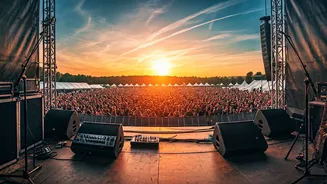
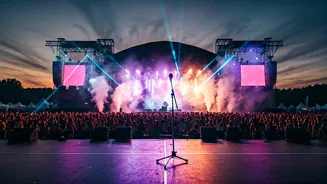
It’s not all about ancient traditions. India has a booming contemporary festival scene that is attracting a global audience. The Ziro Festival of Music in the remote, pine-clad valleys of Arunachal Pradesh has been called the “Woodstock of India,” featuring a lineup of Indian independent rock bands and folk artists. In a 17th-century Rajasthani palace, the Magnetic Fields festival combines underground electronic music with high-concept art installations and desert stargazing. These events are particularly appealing to younger travelers and those looking to connect with modern, creative India. They offer a familiar festival format but in an utterly unique and unforgettable setting, blending global sounds with distinctly local vibes.
4. Immersing in the Spiritual and Sacred
For those seeking a deeper, more transformative experience, India's spiritual festivals offer a powerful draw. While the Kumbh Mela—a mass Hindu pilgrimage that is the largest peaceful gathering on Earth—is an intense undertaking, countless other, more accessible events provide profound insight into the country's spiritual heart. The Theyyam festivals in Kerala, for example, are a mesmerizing blend of dance and ritual where performers are believed to become temporary vessels for gods. In Ladakh, the 'Little Tibet' of India, monastic festivals like Hemis Tsechu feature masked monks performing ancient dances in dramatic Himalayan courtyards. These are not shows for tourists; they are living, breathing rituals that have been practiced for centuries, offering travelers a chance to witness something truly authentic.
5. A Shift Toward 'Slow Travel'
Ultimately, this festival-centric approach is part of a larger shift in travel philosophy. The chaotic, 10-cities-in-12-days itinerary is giving way to “slow travel,” where visitors spend more time in one place to foster a genuine connection. A festival provides the perfect excuse to do just that. By building a trip around a multi-day event, you're encouraged to settle in, explore the local area, eat at neighborhood spots, and interact with people who are in a celebratory mood. Boutique tour companies and local homestays are leaning into this, offering packages that include festival access, contextual workshops (like block-printing in Rajasthan or cooking classes in Kerala), and interactions with local artisans. It transforms a vacation from a passive sightseeing tour into an active, memorable cultural exchange.