





The Humble, Mighty Legume
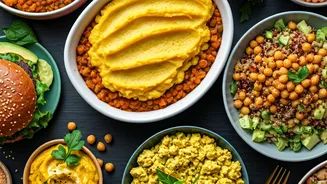
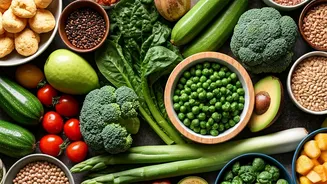
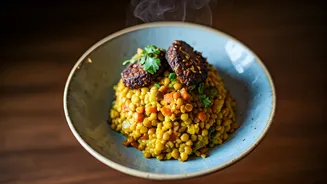
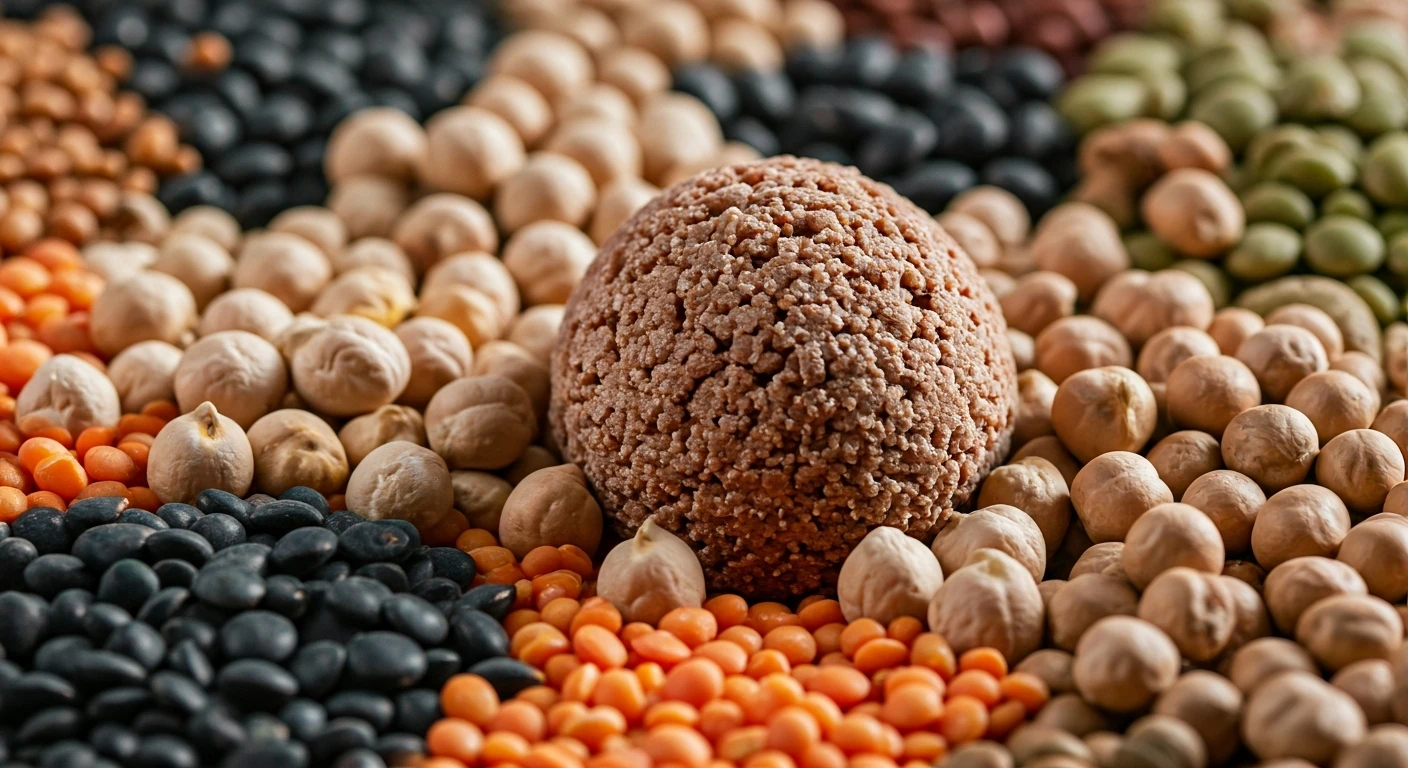
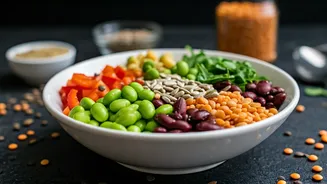
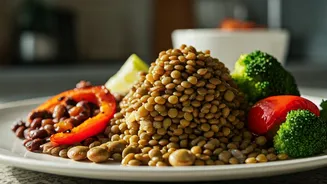
For years, beans, lentils, and chickpeas were often relegated to side dishes or budget meals. Not anymore. As eaters search for affordable, sustainable protein, legumes have stepped into the spotlight. A single cup of cooked lentils packs about 18 grams
of protein, while chickpeas and black beans offer around 15 grams. This isn't just about chili and hummus, either. Chefs and home cooks are using lentils as a base for hearty 'bolognese' sauces, blending black beans into brownies for a protein and fiber boost, and roasting chickpeas with spices for a crunchy, satisfying snack that rivals potato chips. Their versatility and low cost make them the undisputed foundation of high-protein plant-based eating.
Soy: The Classic Powerhouse Reimagined
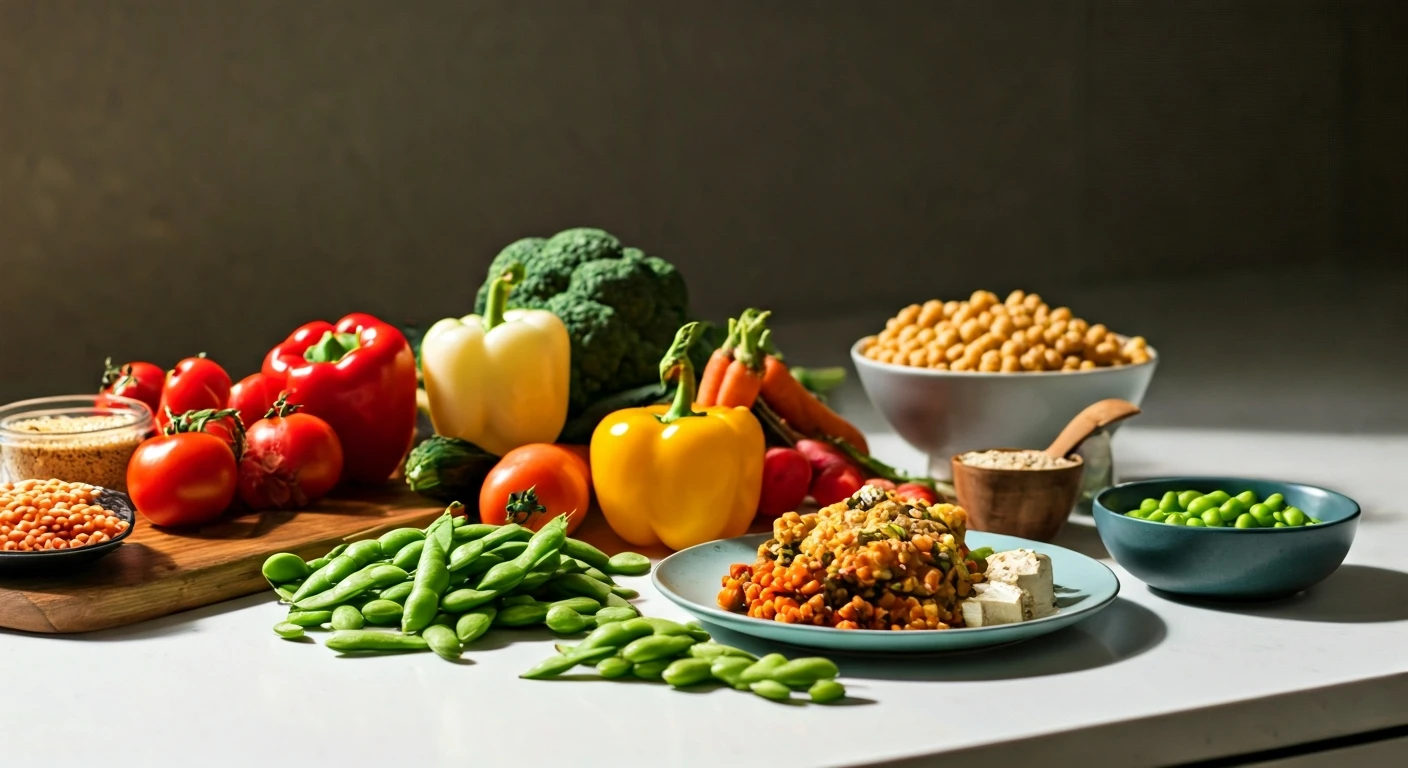
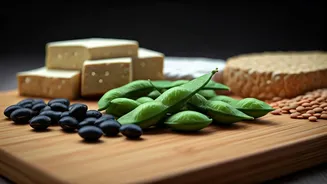
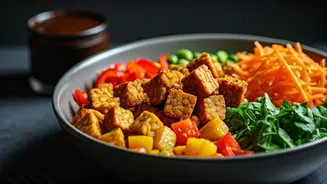
Tofu, tempeh, and edamame have long been staples of vegetarian diets, and for good reason. They are complete proteins, meaning they contain all nine essential amino acids our bodies can't produce. A half-cup of firm tofu provides about 22 grams of protein, while a similar serving of tempeh offers around 16 grams. What’s new is how Americans are approaching soy. Gone are the days of soggy, unseasoned tofu cubes. Today, home cooks are pressing tofu to achieve a firm, chewy texture perfect for frying, baking, or crumbling into a scramble. Fermented tempeh is being marinated and grilled for sandwiches that satisfy even the most devout meat-eaters, and edamame has become a go-to appetizer and salad ingredient.
Nuts and Seeds Go Mainstream
Once considered a simple snack or garnish, nuts and seeds are now central ingredients. Almonds, walnuts, pistachios, and peanuts deliver a solid protein punch along with healthy fats and fiber. But the real game-changers are seeds like chia, hemp, and flax. Just three tablespoons of hemp seeds (or hemp hearts) can provide nearly 10 grams of protein. They’re being blended into smoothies, stirred into oatmeal, and used to create plant-based 'parmesan' cheese. Chia seeds, famous for creating a gel-like pudding, are also a surprisingly good protein source. This shift moves them from the fringe of the health food aisle to a pantry essential for anyone looking to easily increase their daily protein intake without cooking.
The Rise of Ancient Grains
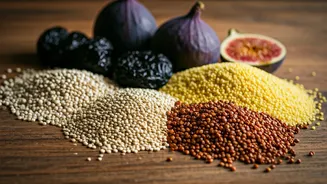
While most grains contain some protein, a select few are standouts. Quinoa, often mistaken for a grain but technically a seed, is a complete protein with about 8 grams per cooked cup. It has become a popular substitute for rice and couscous. But other, lesser-known ancient grains are also gaining traction. Amaranth and buckwheat are protein-rich, gluten-free options that can be used in everything from breakfast porridge to savory pilafs. Even certain breads are getting a protein upgrade. Sprouted-grain breads, which often contain a mix of whole grains and legumes, can offer significantly more protein per slice than their conventional white or whole-wheat counterparts, making a simple sandwich a more satiating meal.
Next-Gen Plant-Based Meats
The massive growth in the plant-based meat sector is perhaps the most visible sign of this trend. Companies like Beyond Meat and Impossible Foods have engineered products that mimic the taste, texture, and sizzle of beef, sausage, and chicken, using protein derived from peas, soy, and other plants. A single Beyond Burger patty, for instance, contains 20 grams of plant-based protein, rivaling a traditional beef patty. This innovation has attracted not just vegans and vegetarians, but a huge market of 'flexitarians'—people who still eat meat but are actively looking to reduce their consumption for health, environmental, or ethical reasons. These products make the switch feel less like a sacrifice and more like a simple swap.