




The Relentless Push of the Thermometer
For Americans who think of a summer heatwave as a few rough days in July, the scale of India's recent weather events is hard to comprehend. We’re not talking about a fleeting heat dome, but a monthslong, grinding season of extreme temperatures that can make
daily life feel like a survival exercise. From March to June, major urban centers like Delhi, Mumbai, and Bengaluru are routinely scorched by temperatures soaring well above 100°F (38°C), often peaking near 120°F (49°C) in the northern plains. This isn't just uncomfortable; it's dangerous, leading to widespread public health warnings and power grid failures. This relentless, oppressive heat has become the primary 'push' factor, a powerful motivator for anyone with the means to seek a change of scenery. The question is no longer just *if* you can escape, but *how*.
The 'Workation' Comes of Age
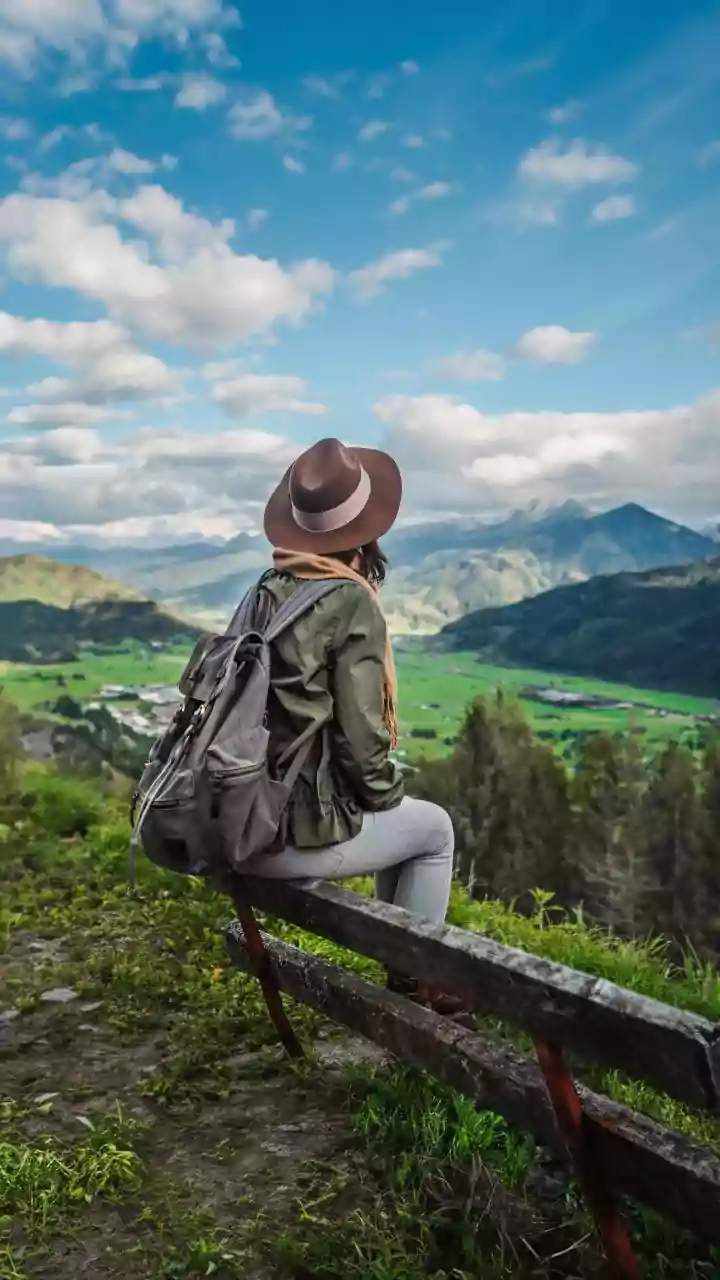
The key that unlocked this new form of travel was, ironically, a global shutdown. The COVID-19 pandemic forced India's massive IT and service industries into a nationwide remote work experiment. What began as a necessity has evolved into a permanent feature of the professional landscape. Companies once skeptical of productivity outside the office are now more flexible, and a generation of Indian professionals has grown accustomed to the autonomy of working from home. This shift provides the 'pull' factor. Why swelter in a city apartment when you can take your Zoom calls from a balcony overlooking the Himalayas? The rise of the 'workation'—a portmanteau of work and vacation—isn't just a quirky trend; it's a pragmatic solution for a better quality of life. It’s the realization that if your job is tethered to a Wi-Fi signal, that signal can be anywhere.
From City Dust to Mountain Mist
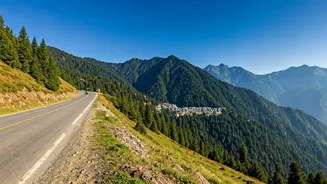
The destinations of choice are the country’s colonial-era 'hill stations'—high-altitude towns built by the British specifically to escape the summer heat of the plains. Places like Shimla, Manali, and Rishikesh in the Himalayan foothills, or Ooty and Kodaikanal in the south, are seeing a massive influx of these new climate migrants. They trade the blare of city traffic for the sound of birds and the haze of pollution for crisp mountain air. Homestays, guesthouses, and a booming ecosystem of co-working cafes have sprung up to cater to this crowd. Travelers book stays not for a weekend, but for weeks or even months at a time. They aren't looking for a whirlwind tour of sights; they’re seeking a place where they can comfortably go for a walk after their workday ends at 6 p.m., a simple pleasure that’s impossible in the scorching cities they left behind.
The Blurred Lines of Leisure
Here's the crucial distinction: this is not a vacation in the traditional American sense of completely unplugging. These travelers are not escaping their routine; they are simply relocating it. The 9-to-5 grind continues, albeit with a much better view. The laptop is the first thing unpacked, and a stable internet connection is a non-negotiable amenity, prized more than a swimming pool or room service. Morning might start with a team stand-up call, followed by an afternoon of focused work on a project deadline, and an evening spent exploring a local market or taking a short trek. It’s a fundamental redefinition of the work-life balance, moving away from a rigid separation and toward a fluid integration. The goal isn't to get away from it all, but to take it all with you to a place that makes the 'life' part of the equation more livable.