





The Tyranny of the Travel Checklist
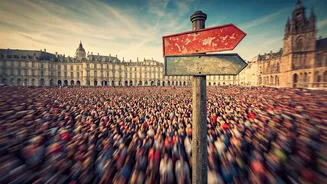
For decades, the mark of a “successful” trip was a completed checklist. Rome? See the Colosseum, Vatican, and Trevi Fountain—go, go, go. Paris? Louvre, Eiffel Tower, Notre Dame—check, check, check. This approach, fueled by bucket lists and the pressure
to capture iconic social media shots, often leaves travelers with a collection of photos but little real connection to the place they visited. It treats cities like theme parks where the goal is to ride every ride, not to experience the atmosphere. The result is often exhaustion, a sense of superficiality, and the nagging feeling that you missed the “real” city, which was hiding in plain sight between the monuments.
The Rise of the Temporary Neighbor
Enter “local living.” It’s less a type of trip and more a mindset. Instead of seeing a destination’s highlights, you aim to understand its daily rhythms. This isn't about “going native” or pretending you’re not a visitor. It’s about trading the tour bus for the public bus, the hotel breakfast buffet for the corner bakery, and a packed itinerary for the luxury of an unscheduled afternoon. It’s finding a favorite coffee shop and becoming a regular for a few days. It’s shopping at the neighborhood market and attempting to cook with local ingredients. You’re not a resident, but for a short time, you’re a temporary neighbor, participating in the life of a place rather than just observing its most famous landmarks from behind a velvet rope.
Why Now? A Post-Pandemic Reset
This shift isn't happening in a vacuum. The global pause of 2020 forced a massive reset in priorities. Many people emerged with a craving for more meaningful connections and a weariness of the hustle. The rise of remote and flexible work has also been a powerful catalyst. When you can work from anywhere, a “vacation” can be longer than one frantic week. A month in a smaller city in Portugal or a quiet corner of Vermont becomes a real possibility. This extended timeframe naturally discourages the checklist approach. There’s no rush to see everything on day one when you have 29 more days to explore. This has led to a boom in travelers seeking longer-term stays in a single location, allowing them to truly settle in.
How to Embrace Deeper Travel
Adopting this mindset doesn't require a month-long sabbatical. You can practice local living on a long weekend. The key is intention. Instead of asking “What are the top 10 things to see?” ask “What does a perfect Saturday look like for someone who lives here?” Pick one neighborhood and explore it deeply. Spend a whole afternoon in one museum instead of sprinting through three. Take a local cooking class, go to a neighborhood pickup soccer game, or simply sit in a park and watch the world go by. The goal is to swap breadth for depth. The experience of discovering one perfect, non-famous trattoria will often stick with you longer than a rushed selfie in front of a monument.
Better for You, Better for the Destination
This trend offers benefits that extend beyond the individual traveler. The “checklist” model concentrates tourists—and their money—in a few hyper-popular, overcrowded spots, leading to the phenomenon of overtourism that has strained cities like Venice and Barcelona. The “local living” approach, by contrast, disperses visitors and their spending into residential neighborhoods and smaller businesses that rarely benefit from the mainstream tourism economy. It’s a more sustainable model that fosters a healthier relationship between visitors and the communities they explore, reducing environmental and cultural strain while enriching the experience for everyone.