
The Search for Serenity
So, what’s driving this migration inland? In a post-pandemic world, the definition of luxury has evolved. For many, it’s no longer about opulent resorts but about open space, quiet, and a connection to something real. The search for a digital detox is a powerful
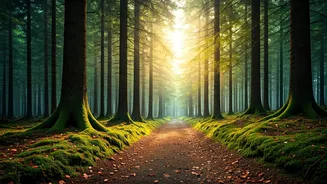
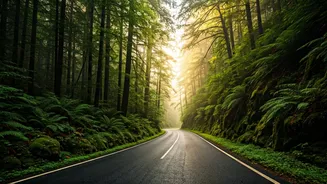
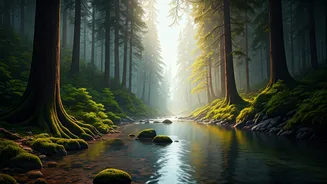
motivator. After years of being tethered to screens, the appeal of a place with spotty Wi-Fi and a stellar view has skyrocketed. Travel analysts point to a significant increase in searches for cabins, lake houses, and rural retreats. This isn't just about escaping the heat; it's about escaping the noise of modern life. The wellness benefits are also a major factor. The Japanese concept of 'shinrin-yoku,' or forest bathing, has entered the American lexicon, with travelers actively seeking the proven mental and physical health perks of spending time among the trees.
Beyond the Big-Name Parks
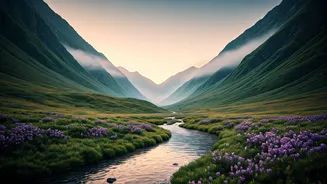
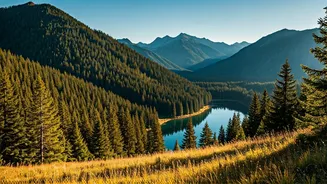
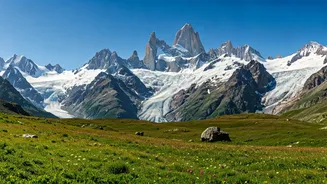
While iconic destinations like Yellowstone and Zion continue to draw crowds, the savvy nature-seeker is learning to look elsewhere. The real story is the explosion of interest in national forests, state parks, and public lands that offer similar beauty without the bottlenecked traffic. Think of the vast wilderness of Idaho's Sawtooth National Forest instead of the Grand Tetons, or the waterfalls and gorges of Pennsylvania’s Ricketts Glen State Park as an alternative to more congested East Coast spots. These places provide the same awe-inspiring landscapes but with a greater sense of discovery and solitude. Travelers are realizing that America’s natural beauty isn’t confined to a few dozen famous parks; it’s a sprawling, accessible tapestry waiting to be explored.
Life on the River
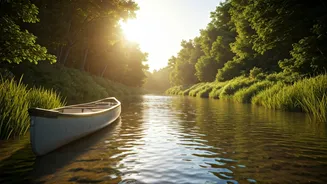
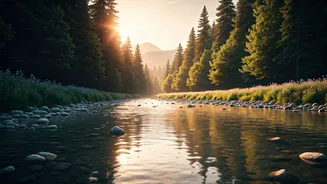
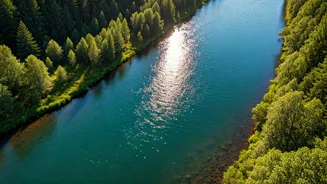
Rivers, the nation's original highways, are re-emerging as premier vacation destinations. The appeal is multi-faceted. For the adventurous, it’s about the thrill of whitewater rafting on stretches of the Colorado or Gauley River. For families, it’s about a gentle float trip, tubing down the clear, spring-fed waters of a Texas river or paddling a canoe through the Ozarks. The 'river house' has become a coveted vacation rental. Waking up to the mist rising off the water, casting a fishing line from a private dock, or ending the day by a riverside fire pit offers a uniquely tranquil experience. Destinations like the Shenandoah River in Virginia or the Delaware River Water Gap on the border of Pennsylvania and New Jersey are seeing a renaissance, providing a cool, green escape within a few hours' drive of major cities.
The Cool Appeal of the North
As summer temperatures climb nationwide, many are looking north for relief. The forests and lakes of the Upper Midwest and New England offer a compelling alternative to sweltering southern climates. Destinations like Michigan’s Upper Peninsula, with its rugged Pictured Rocks National Lakeshore, or Minnesota’s Boundary Waters Canoe Area Wilderness, a maze of interconnected glacial lakes, are attracting travelers who want to be active outdoors without melting. Maine's Moosehead Lake region and Vermont's Green Mountains provide a similar blend of cool air, deep woods, and charming small towns. This northward trend is about climate as much as culture, a practical response to a changing environment that also happens to unlock some of the country’s most pristine and underrated landscapes.
The Economic Equation
Let's not forget the practicalities. In an era of high inflation and volatile airfare, a road trip to a state park or a rented cabin can be a far more budget-friendly option than flying the family to a popular coastal resort. Gas, food, and lodging in rural or less-trafficked areas are often significantly cheaper. This economic accessibility is democratizing the nature vacation. The rise of high-quality camping gear and the 'glamping' phenomenon—which offers a comfortable, turnkey outdoor experience—has also lowered the barrier to entry for those who aren't seasoned backcountry explorers. This blend of aspirational desire and financial pragmatism makes the forest and river vacation a powerful and enduring choice for the modern American traveler.