






The Old-School Travel Tax
Imagine planning a trip to Italy. Before you even book a flight, you have to visit your bank, fill out forms to request foreign currency, and accept a hefty fee just for the privilege of converting your dollars to euros. Then, every time you swipe your U.S.
credit card abroad, you get hit with a 2-3% 'foreign transaction fee.' This costly, inconvenient process was the standard for decades for most Indian travelers. Getting ahold of dollars, euros, or pounds involved navigating opaque bank fees, carrying bulky prepaid forex cards that were difficult to top up, or resorting to carrying large amounts of cash. Using a domestic Indian credit card internationally often meant incurring steep 'forex markup' charges on every single purchase, effectively a hidden tax on every gelato or souvenir.
Enter the Digital Game-Changers
This friction created a massive opportunity that traditional banks were slow to address. A new breed of financial technology (fintech) startups saw the gap and pounced. They built mobile-first platforms designed specifically for the modern Indian international traveler. Their mission was simple: make spending money abroad as easy and cheap as spending it at home. Instead of seeing foreign travel as a high-margin revenue opportunity, they saw it as a way to win customer loyalty by solving a major pain point. These companies aren't banks in the traditional sense; they are tech companies that partner with banks on the back end, allowing them to be more agile, transparent, and user-friendly.
Zero-Markup Magic and Smart Credit
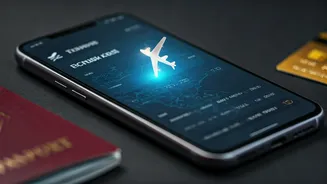
The flagship innovation is the 'zero forex markup' credit or debit card. Companies like Niyo, Scapia, and Fi Money offer Visa cards that charge the exact real-time exchange rate with no added commission. For the user, this is revolutionary. It means a $100 dinner in Paris costs exactly what the currency market says it should, not $103. These services are managed entirely through an app. Users can load their cards, track spending in both rupees and the local currency, and even lock or block their card with a single tap. Beyond payments, this ecosystem is expanding. Some fintechs offer small, instant loans specifically for funding trips—a 'travel now, pay later' model that opens up travel to younger consumers who may not have large upfront savings. It's a full-stack financial toolkit for the global citizen.
Why This Matters Beyond India
While this trend is rooted in India's specific economic landscape, it’s a powerful preview of where consumer finance is headed globally. In many emerging economies, mobile-first platforms are leapfrogging the legacy banking infrastructure that is common in the U.S. and Europe. American travelers are accustomed to travel-oriented cards from giants like Chase and American Express, which focus on points and lounge access. The Indian model, however, is laser-focused on eliminating fees and providing radical transparency. It suggests a future where your financial products are unbundled and specialized. Instead of one bank doing everything mediocrely, you might have a different app for travel spending, another for investing, and another for savings—all seamlessly integrated and offering the best possible rate. It’s a shift from earning rewards to simply not getting ripped off, a proposition with universal appeal.