


From Street Cart to Shopping Cart
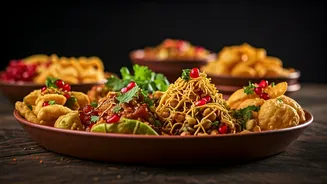
Imagine standing on a bustling Mumbai corner as a vendor, a *chaat-wallah*, works his magic. With rhythmic speed, he crushes a crispy fried sphere (*puri*), stuffs it with spiced potatoes, dunks it into tangy tamarind water and spicy mint water, and hands
you a tiny, flavor-packed grenade called *pani puri*. It’s an explosion of sweet, sour, spicy, and savory that vanishes in a single bite. This is the world of *chaat*, a category of Indian street snacks defined by its intense, layered flavors and fresh, on-the-spot preparation. For decades, this experience was inseparable from the street itself. It was hyperlocal, perishable, and delightfully inconsistent. But now, that entire sensory experience is being deconstructed, packaged, and placed onto store shelves, both in India and right here in the U.S.
The Quest for Convenient Chaat
So, why box up an experience that thrives on spontaneity? The answer lies in a powerful mix of nostalgia, convenience, and hygiene. For millions of Indians living abroad, the taste of street food is the taste of home—a potent cure for homesickness that a restaurant meal can’t quite replicate. These packaged versions offer an immediate, accessible link to those memories. Back in India, a growing urban middle class is increasingly time-poor and health-conscious. While the romance of street food is undeniable, so are concerns about water quality and cleanliness. Packaged goods from trusted brands offer a promise of safety and consistency. It’s the same impulse that drives Americans to buy a high-quality frozen pizza; it’s not the same as a fresh-from-the-oven pie, but it reliably scratches the itch on a Tuesday night. These brands are betting that the craving for *bhel puri* is just as universal.
Meet the Brands Bottling the Magic
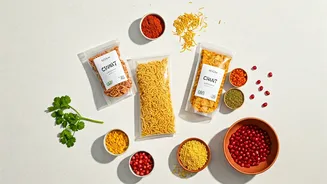
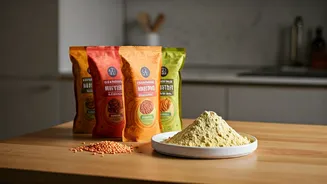
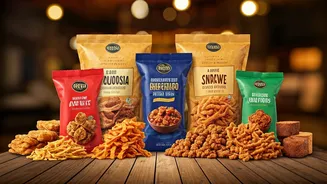
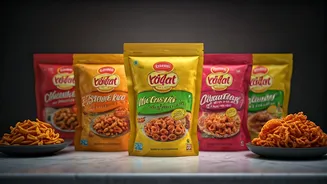
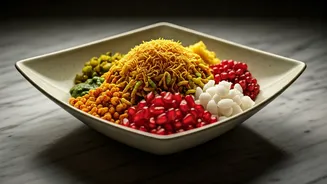
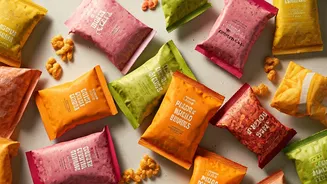
Leading this charge are a few innovative companies. Hector Beverages, with its flagship brand Paper Boat, became a phenomenon by bottling traditional, often homemade Indian drinks. Instead of another cola, they offered beautifully packaged juices like *Aam Panna*, a tart green mango cooler, and *Jaljeera*, a spiced cumin lemonade—flavors straight from Indian summers and street stalls. Their success proved a massive market existed for professionally packaged nostalgia. Following suit, legacy snack giants like Haldiram’s and Bikanervala, long known for their dry snacks, have moved aggressively into the ready-to-eat space. You can now find DIY *pani puri* kits, complete with puris, spice mixes, and chutneys. There are also retort pouches of ready-to-eat *pav bhaji* (a spiced vegetable mash served with buns) and sealed bags of *bhel puri* mix, where you just add chopped onions and tomatoes to bring the crunchy, tangy snack to life in your own kitchen.
Authenticity on the Assembly Line
This brings us to the central question: can you really bottle madness? Can the soul of a street snack survive the factory floor? The answer is complicated. A packaged *pani puri* kit, for all its convenience, will never replicate the experience of having a vendor customize the spice level for you in real-time. The packaged *bhel* won’t have the same textural contrast as one mixed seconds before serving, where the puffed rice is still perfectly crisp against the wet chutney. But that might be missing the point. These products aren't meant to replace the real thing but to supplement it. They are a gateway, an ambassador for a category of food many Americans have yet to discover. They make complex, intimidating flavors approachable. Just as salsa went from a niche dip to an American refrigerator staple, these products have the potential to introduce the fundamental sweet-sour-spicy grammar of Indian street food to a much wider audience.