




The Old School: Chasing 'Mirror Muscles'
Remember the classic gym scene? It was often a world of isolation. Think bicep curls in front of a mirror, endless sets of leg extensions, and pec-deck flyes. This approach, heavily influenced by bodybuilding culture, was all about aesthetics. The goal
was hypertrophy—making individual muscles bigger for visual impact. While effective for sculpting a certain look, this style of training often neglected the bigger picture of human movement. Critics now refer to this as training “mirror muscles”—the ones you can easily see and flex. The downside? It can create a body that looks powerful but lacks practical, integrated strength. You might be able to curl a heavy dumbbell, but do you have the core stability and coordinated power to lift a heavy suitcase into an overhead bin without tweaking your back? This disconnect between looking strong and being functionally capable is at the heart of what many now consider “fake” fitness. It’s a performance for the eyes, not necessarily a foundation for life.
The New Wave: Training for Life
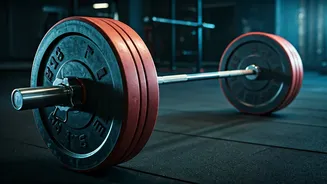
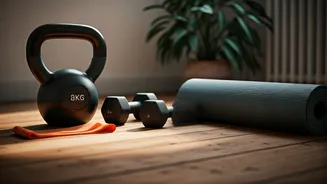
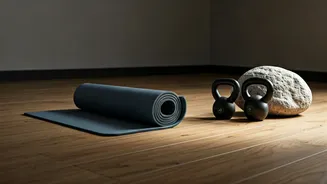
Enter functional fitness. The name says it all: the goal is to improve your function in everyday life. Instead of isolating muscles, this philosophy emphasizes training movement patterns that mimic real-world activities: squatting (sitting and standing), hinging (picking things up), pushing, pulling, and carrying. The tools are different, too. Barbells, kettlebells, sandbags, and sleds have become staples because they force your body to work as an integrated system, engaging your core and stabilizer muscles along with the primary movers. This isn’t just about being able to haul groceries with ease. It’s about building a resilient, durable body that can handle unexpected physical challenges. It’s about improving mobility so you can play with your kids on the floor, enhancing balance to prevent falls as you age, and developing a base of cardiovascular health that supports a long, active life. In short, functional fitness treats the body as a single, coordinated machine, where strength is measured by capacity and capability, not just circumference.
Why the Big Shift Is Happening Now
This isn't an accident; it's a reaction. Decades of sedentary desk jobs have left many people feeling stiff, weak, and disconnected from their bodies. Functional training offers a direct antidote, promising to restore natural movement and combat the ill effects of sitting all day. Simultaneously, there's a growing cultural focus on longevity and “healthspan”—the period of life spent in good health. People are less interested in looking good for a single summer and more invested in feeling good for the next 40 years. The rise of social media also played a paradoxical role. While it initially amplified the pressure for aesthetic perfection, it has also given a platform to physical therapists, corrective exercise specialists, and trainers who champion movement quality over muscle size. Communities like CrossFit, for all their controversies, mainstreamed the idea of fitness as a sport and a test of work capacity. Now, newer events like Hyrox and DEKA FIT are booming by offering a tangible way for everyday athletes to test their all-around functional fitness in a competitive, community-driven setting.
What This Means for Your Workout
So, how does this translate to the average person? It means you have more—and better—options than ever. You don’t have to choose between being a yogi, a powerlifter, or a marathon runner. The modern approach encourages a hybrid model. Your week might include a day of heavy lifting with compound movements like squats and deadlifts, a day focused on high-intensity metabolic conditioning, and another dedicated to mobility and active recovery. This shift empowers you to define fitness on your own terms. It’s about asking, “What do I want my body to be able to do?” For some, that’s running their first 5K. For others, it’s keeping up with their grandkids or simply getting through the day without aches and pains. The focus on function reframes exercise from a punishment for what you ate into a celebration of what your body can achieve. It’s a move toward a more sustainable, rewarding, and genuinely healthy relationship with movement.