




The Old Divide: Gains Versus Zen
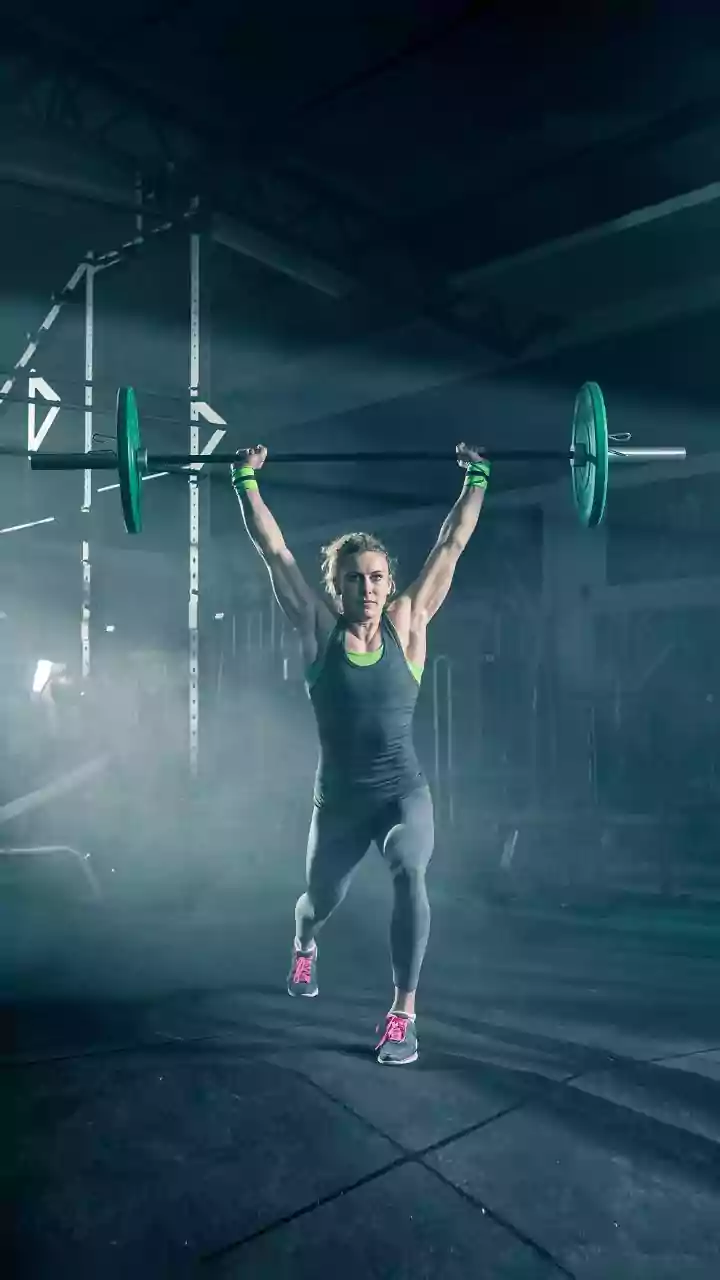
For decades, the health and fitness landscape was neatly divided. On one side, you had the world of “fitness”—a culture centered on performance, aesthetics, and measurable strength. It was the realm of bodybuilding, powerlifting, pre-workout supplements,
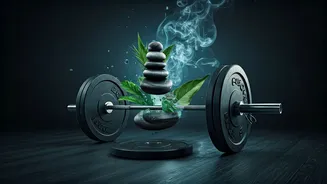
and a relentless focus on “gains.” This world was loud, sweaty, and unapologetically intense. On the other side was “wellness,” a softer, more introspective domain. It championed yoga, meditation, green juice, and concepts like mindfulness and self-care. Its currency wasn't the pound on the barbell, but a more elusive sense of inner peace and balance. The archetypes were clear: the muscle-bound athlete chugging a protein shake versus the lithe guru sipping herbal tea. Consumers, and the brands that served them, largely stayed in their respective lanes. You were either chasing a new personal record or seeking spiritual alignment; rarely did the public conversation assume you were doing both.
A New Hybrid Athlete Emerges
That old binary is collapsing. Today, the protein shaker and the yoga mat are no longer mutually exclusive accessories; they’re often in the same gym bag. The same influencer who posts a tutorial on the perfect deadlift form might follow it with a story about their evening meditation practice. High-intensity interval training (HIIT) studios now offer cool-down sessions with breathwork and sound baths. Meanwhile, yoga-focused brands are incorporating strength-based classes to meet demand. This new hybrid athlete understands that physical strength and mental well-being are not opposing forces but two sides of the same coin. They are tracking their macros *and* their moods. They’re interested in muscle protein synthesis, but they’re also exploring the benefits of adaptogens like ashwagandha to manage stress. This convergence isn’t just happening in boutique studios; it’s the new mainstream. The modern vision of health is no longer just about looking good or lifting heavy—it’s about feeling good, inside and out.
The Social and Commercial Drivers
What’s fueling this great merger? A few powerful forces are at play. First, social media has demolished the gatekeepers. A new generation of fitness and wellness creators shares their entire journey, not just the highlight reel. They’ve normalized the idea that even the strongest athletes have bad mental health days and that even the most mindful gurus need to build physical resilience. This vulnerability has resonated deeply with audiences tired of one-dimensional, aspirational content. Second, the pandemic accelerated a collective focus on holistic health. Faced with unprecedented stress and uncertainty, millions of Americans realized that mental and emotional resilience were just as critical as physical fitness. The conversation shifted from simply avoiding sickness to actively pursuing a more robust, durable state of well-being. Brands, ever responsive to consumer desire, have followed suit. Supplement companies are adding nootropics to their protein powders, and fitness apps now feature meditation guides alongside workout plans. There is a far larger, more lucrative market in the integrated middle than at the extreme ends of the spectrum.
Beyond Aesthetics to Holistic Health
While this fusion is largely a positive development, it’s not without its complexities. The commercialization of mindfulness can sometimes feel transactional, and the pressure to optimize every aspect of one’s being—physical, mental, and spiritual—can become a new source of anxiety. The “perfectly well” person, who lifts, meditates, journals, and maintains a flawless diet, can feel like another impossible standard. However, the overarching shift is a profoundly healthy one. By breaking down the wall between the physical and the mental, we are moving toward a more mature, compassionate, and realistic understanding of human health. The focus is slowly but surely moving from pure aesthetics to a deeper sense of vitality. The person in the squat rack might be lifting to quiet their anxiety, and the person on the yoga mat might be building the core strength to support a new weightlifting goal. They’re no longer from different tribes; they’re just on different, but equally valid, paths to the same destination.