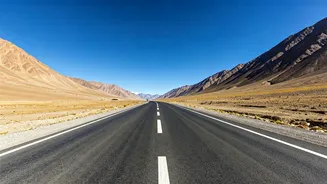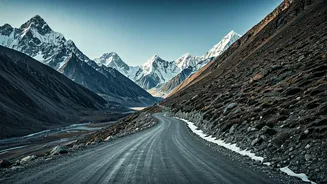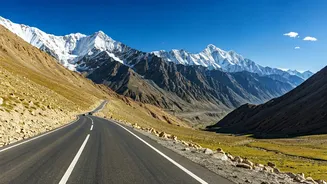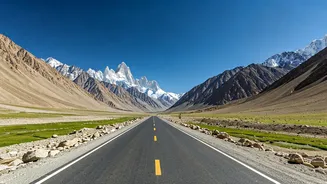



The World’s Most Epic Commute
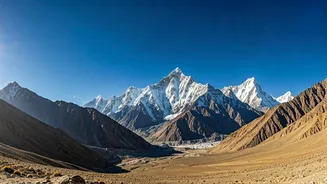
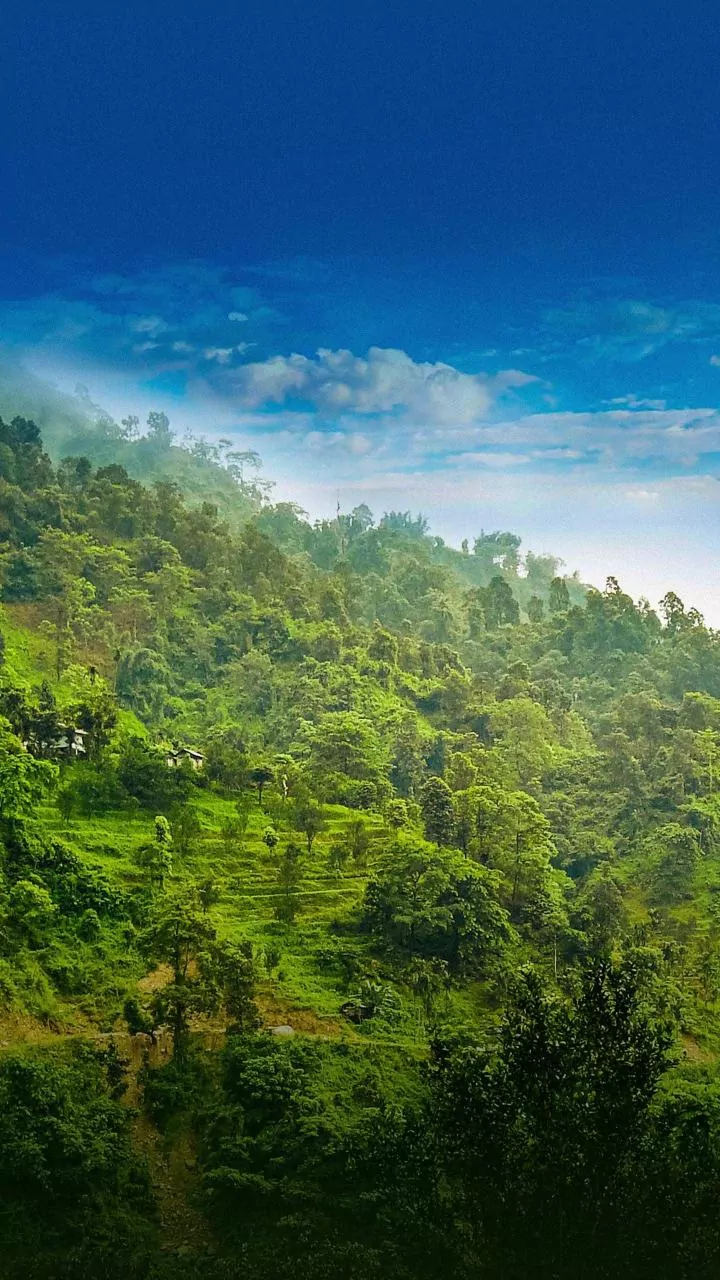
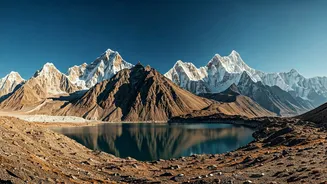
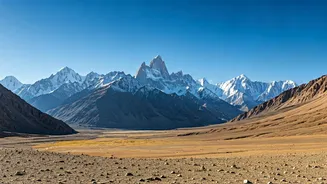
For most of the year, Ladakh, a high-altitude desert region in northern India often called “Little Tibet,” is cut off from the rest of the country by land. Hemmed in by the world’s two mightiest mountain ranges, the Himalayas and the Karakoram, its access
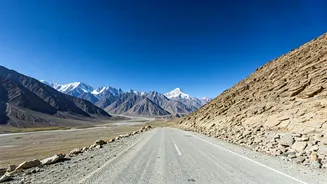
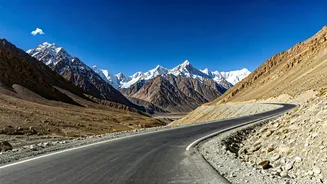
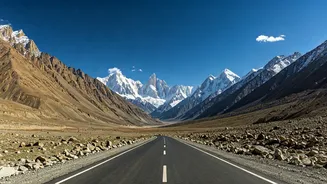
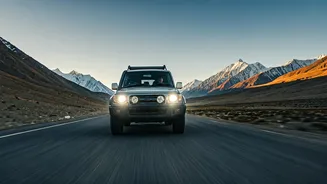
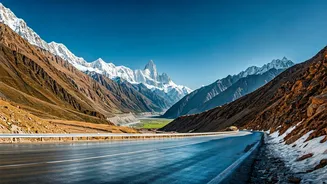
roads are buried under immense snowfall. But each year, around late May or early June, the Indian Army’s Border Roads Organisation (BRO) completes the herculean task of clearing two of the planet's most spectacular highways. The opening of the Srinagar-Leh and Manali-Leh highways doesn't just mark a change in seasons; it fires the starting gun for one of the world's great adventure pilgrimages. For motorcyclists, trekkers, and thrill-seekers, this is the moment they’ve been waiting for. It’s the official start of a brief, brilliant window to experience a landscape that feels more lunar than terrestrial.
Choose Your Adventure: Two Paths to Paradise
The journey to Ladakh’s capital, Leh, is a core part of the experience, and travelers have two legendary options. The Srinagar-Leh highway is the more gradual ascent, a 270-mile route that winds through the lush valleys of Kashmir before crossing the formidable Zoji La pass. It’s often considered the better path for acclimatization. The Manali-Leh highway, by contrast, is a brutal, breathtaking, 300-mile adrenaline rush. It’s a rite of passage, crossing multiple passes over 16,000 feet, including the famed Rohtang and the dizzying Gata Loops—a series of 21 hairpin bends that snake up a mountainside. This is the route immortalized in countless travelogues and biker diaries, a raw test of endurance that rewards with unparalleled vistas of stark, high-altitude beauty.
What Awaits in the 'Land of High Passes'
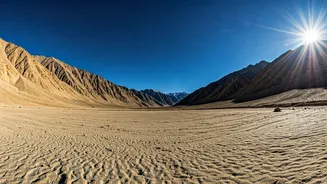
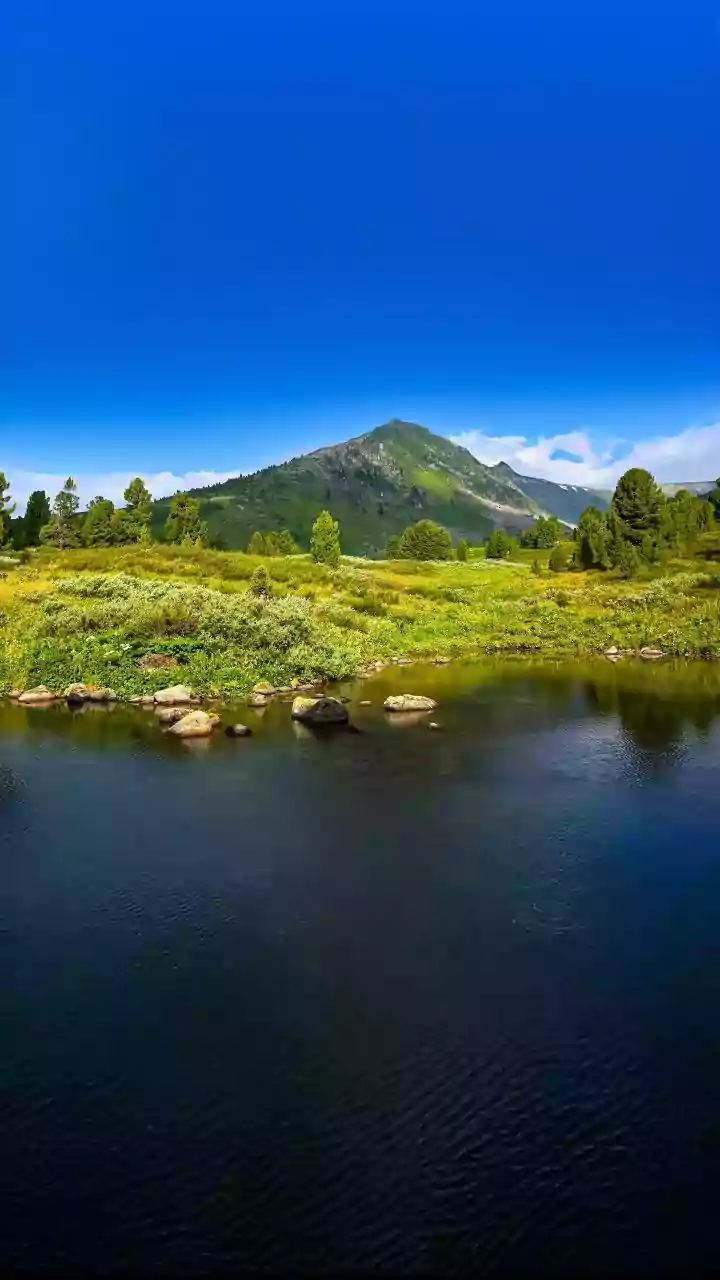
The grueling journey is worth every bump and cold gust of wind. Once in Ladakh, the world opens up into a panorama of surreal landscapes. The primary hub, Leh, is a bustling town with a charming old quarter and a palace that looms over the city like a miniature Potala Palace. From there, the adventures radiate outwards. You can ride to the Nubra Valley, a place so strange it contains both sand dunes and double-humped Bactrian camels, accessed via Khardung La, once touted as the world's highest motorable pass. The main attraction for many is Pangong Tso, a 100-mile-long lake that stretches into Tibet. Its waters shift through impossible shades of blue, a mesmerizing sight that became globally famous after being featured in the Bollywood blockbuster '3 Idiots'. Dotted throughout are ancient Buddhist monasteries, like Thiksey and Hemis, clinging to cliffs and preserving a culture that feels timeless.
Know Before You Go: The Altitude Factor
This isn't a casual road trip. Leh sits at an elevation of 11,500 feet, and the passes you cross to get there are significantly higher. Altitude sickness, or Acute Mountain Sickness (AMS), is a serious and common risk. Symptoms range from headaches and dizziness to more severe, life-threatening conditions. The golden rule of Ladakhi travel is acclimatization. Upon arriving in Leh, especially if you fly in, you must spend at least two full days doing nothing more strenuous than short walks. Drinking plenty of water, avoiding alcohol, and listening to your body are non-negotiable. The slow, overland journey by road helps, but even then, the ascent is rapid. This journey demands respect for the environment and for your own physical limits. It’s an adventure, not a race.